
Most people who start looking into ways to retire overseas focus first on the pretty pictures. Beaches, lower prices, warmer days. Those things matter, of course. But the ones who end up happiest are usually the ones who spent real time on a longer list of practical questions before they ever packed a suitcase. Retiring abroad is not just a change of scenery. It is a full lifestyle shift that touches money, health, daily comfort, and how connected you feel to the rest of the world. The good news is that many of the most important factors can be researched from home, and the destinations that score well on them often share a few common traits: lower everyday costs, reliable warm weather, and a slower pace that actually feels restful rather than isolating.
Here are ten considerations that come up again and again for people serious about retiring overseas. None of them are exotic. They are simply the points that separate a smooth transition from one that keeps generating surprises years later.
1. How far your retirement income will actually stretch
Cost of living is the reason most people first open a browser tab about retiring abroad. The gap between what a fixed income buys in a high-cost country and what it buys in a lower-cost one can be startling. In some places a couple can live comfortably on what used to cover only the mortgage and property taxes back home. Housing, groceries, eating out, domestic help, and transportation all tend to cost less once you leave the most expensive regions of North America or Western Europe.
That said, the savings are not automatic. Tourist areas and capital cities often run higher than the national average. Coastal towns popular with foreigners can have inflated rents compared with inland neighborhoods just a short drive away. Utilities, internet, and imported goods sometimes offset the cheaper local produce and restaurant meals. The smartest approach is to build a realistic monthly budget that includes both the obvious line items and the ones people forget until they arrive: private health coverage, occasional flights home, and the cost of keeping a small emergency fund in local currency or dollars.
Countries in Central America frequently appear on these comparisons because everyday expenses remain modest while the lifestyle options stay high. A retiree who wants a simple beach house or a quiet mountain town can often find both without draining the pension. The key is to look past the national averages and dig into the specific towns that match the life you want.
2. Healthcare quality, access, and real costs
Healthcare is the single issue that keeps more people from retiring overseas than any other. Medicare and many national systems stop at the border. Private international insurance becomes the default, and premiums rise with age. At the same time, the actual price of care in many lower-cost countries is dramatically lower than in the United States or Canada. A specialist visit, routine lab work, or even a straightforward surgical procedure can cost a fraction of the same service at home.
Quality varies widely. Some countries have modern private hospitals that attract medical tourists. Others rely more on smaller clinics that handle day-to-day needs well but send complex cases elsewhere. Language can be a factor if the medical staff is not comfortable in English. Distance to the nearest decent facility matters more once you leave big cities. The practical step is to research both the private hospital system and the typical out-of-pocket costs for the conditions that already affect you or are likely to appear with age. Many retirees find that a combination of modest local insurance plus cash reserves covers them better than they expected, provided they stay near places with solid private options.
3. Current safety and day-to-day security
Safety is not abstract when you are deciding where to spend the rest of your life. Official crime statistics, street-level reports from residents, and the practical experience of walking around after dark all matter. Some destinations that once carried heavy reputations have changed dramatically in the last decade. Others remain more unpredictable. Petty theft can still exist even in places with low violent crime, so basic habits around phones, bags, and home security stay useful everywhere.
Look for consistent multi-year trends rather than single dramatic headlines. Talk to people who have lived there for several years rather than short-term visitors. Notice whether the local police presence feels professional and whether neighborhoods that attract foreigners feel settled rather than transient. A country that has reduced serious crime to levels comparable with many North American or European cities opens up a much wider range of places to live, including smaller coastal and rural towns that would have felt off-limits a few years earlier.
4. Climate and the weather you actually want every day
Warm weather is one of the strongest pulls for people who want to retire overseas. Never having to shovel snow again is a genuine quality-of-life upgrade for a large number of retirees. Yet “warm” covers a lot of ground. Some places stay mild year-round with a short rainy season. Others bring high humidity, intense midday heat, or months of heavy rain that can feel oppressive if you are not prepared.
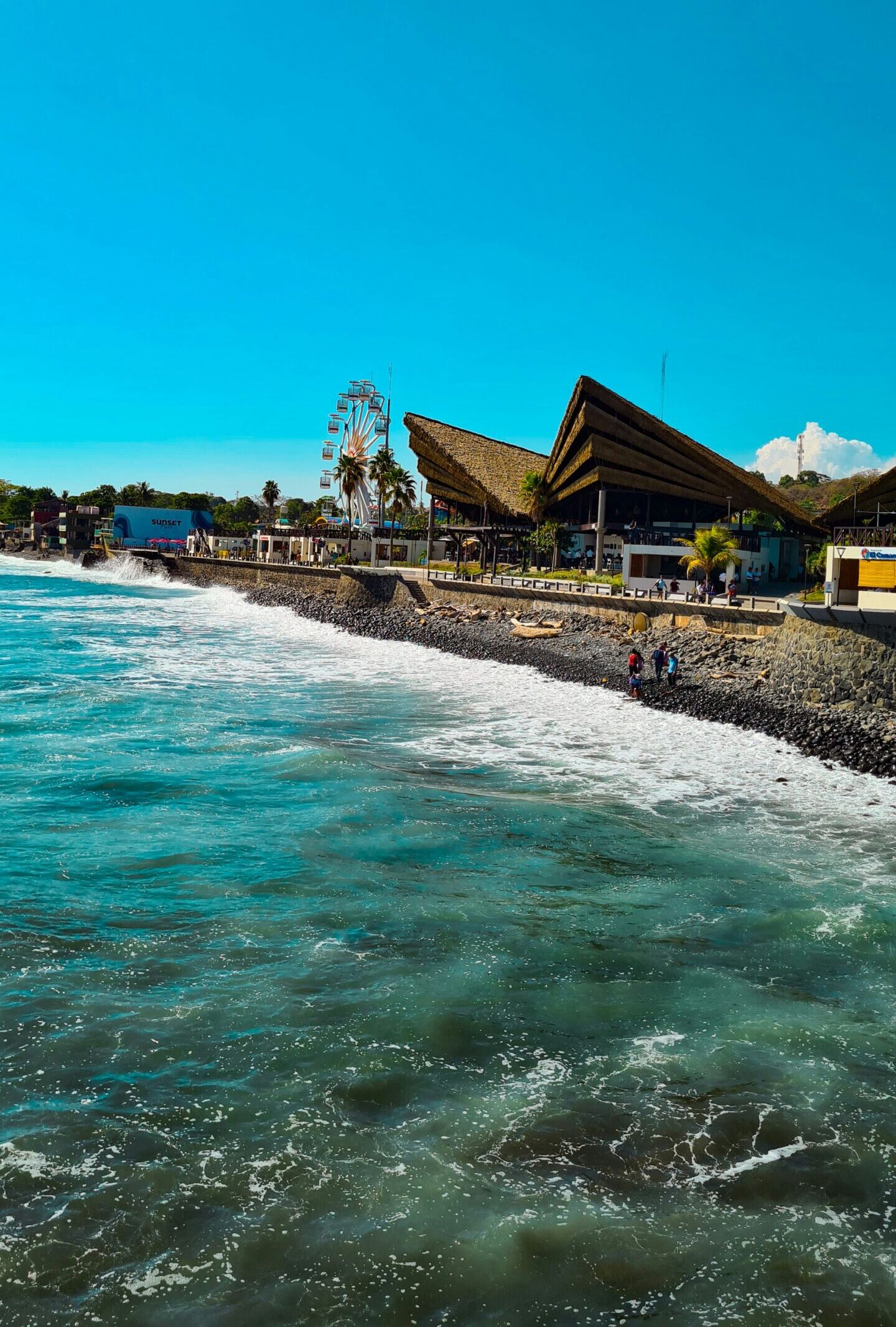
Coastal areas often deliver the combination people picture: consistent temperatures in the high 70s to mid-80s, ocean breezes, and water warm enough for swimming most of the year. Inland higher elevations can be cooler and less humid. The dry season versus wet season pattern common across much of Central America means you can choose a location that matches your tolerance for rain. Surfing, beach walking, and outdoor markets all become part of normal life rather than special occasions when the climate cooperates. The important part is to experience the weather across different months if possible, or at least to talk with people who have stayed through both seasons, before deciding a place is perfect.
5. Visa and residency rules for retirees
Almost every popular retirement destination has some form of long-term visa or residency program aimed at people with steady pension or passive income. Requirements differ. Some ask for proof of a monthly income above a certain threshold. Others want a bank deposit or property purchase. Length of stay before permanent residency, work restrictions, and the ability to bring a spouse or dependent children all vary.
These rules change, sometimes with little notice, so the details that were true two years ago may no longer apply. The practical consideration is simply to understand what pathways exist in the countries that interest you and whether your income sources meet the current thresholds. Some Central American countries maintain relatively straightforward pensionado-style programs that recognize government or private pensions. Knowing that such options exist, and that they differ from tourist stays, is enough to keep the planning grounded. The paperwork itself is a later step.
6. Language and how much cultural adjustment you are willing to make
English is widely spoken in tourist zones and among younger people in many countries, but daily life outside those bubbles often runs in the local language. Banking, doctor visits, utility bills, and casual conversations with neighbors become smoother when you can handle at least basic Spanish or Portuguese or whatever the dominant language is. Some retirees thrive on the learning curve. Others prefer places where English is more common in everyday settings.
Cultural pace is another quiet factor. A slower rhythm that feels charming on vacation can feel frustrating if you are used to high efficiency and punctuality. Food, social customs, noise levels, and the way people handle bureaucracy all take adjustment. The retirees who settle most easily tend to arrive with realistic expectations and a willingness to adapt rather than expecting the new country to operate exactly like home. Spending time in the place during an extended visit helps reveal whether the cultural fit is comfortable for the long term.
7. Access to nature, beaches, and the outdoor lifestyle you want
Many people retire overseas precisely because they want more time outside. Consistent access to the ocean, walking trails, markets, and open space changes the shape of a week. Places with reliable surf breaks, long sandy beaches, or nearby volcanic landscapes and coffee-growing highlands give retirees a daily menu of low-cost activities that keep both body and mind engaged.
The practical side is how easy those spots are to reach from a realistic home base. A beach town that is beautiful but hours from any real medical care or grocery selection may work for a younger remote worker and feel limiting later. Balanced locations that combine natural beauty with basic services tend to hold their appeal longer. Central American coastal stretches known for consistent waves and warm water draw people who want surfing or simply watching the ocean as a regular part of life. The combination of lower costs and year-round outdoor access is hard to match in higher-latitude countries.
8. Infrastructure, internet, and the small daily conveniences
Reliable electricity, clean water, decent roads, and fast enough internet matter more once you live somewhere full time. Streaming video calls with family, online banking, and ordering supplies all depend on connectivity that can handle more than occasional tourist use. Some smaller towns still have occasional outages or slower speeds. Larger cities and well-established expat areas usually offer better consistency.
Transportation is another quiet piece. Owning a car brings freedom but also maintenance, insurance, and traffic. Public options or ride services work well in some places and barely exist in others. The goal is not perfection. It is simply to match the level of infrastructure to the lifestyle you want so that small frustrations do not accumulate into larger dissatisfaction.
9. Taxes and how your home-country obligations travel with you
Leaving your home country does not automatically end tax responsibilities. Citizens of some countries remain taxable on worldwide income no matter where they live. Pension payments, Social Security, investment gains, and foreign bank accounts can all create reporting requirements. Double-taxation treaties exist with many nations and can reduce the burden, but they do not eliminate the need to understand the rules.
Currency matters too. Living in a country that already uses the U.S. dollar removes one layer of exchange-rate risk for American retirees. Elsewhere, a strengthening or weakening home currency can change the real value of a fixed pension from one year to the next. Keeping clear records and knowing the filing deadlines is simply part of responsible planning when you retire overseas.
10. Social connections and the risk of isolation
The freedom of a new place can slowly turn into loneliness if the social fabric is thin. Some retirees build rich new circles through local clubs, language exchanges, volunteer work, or shared hobbies like surfing or hiking. Others find that the existing foreign community is small or transient. Family visits become more expensive and less frequent when the flight is longer.
The practical question is whether the place you are considering has enough people in a similar life stage and with overlapping interests to support the kind of social life you want. A growing number of coastal and mountain towns in lower-cost countries now have enough long-term foreign residents to make that easier than it was a decade ago. Still, it is worth testing the social temperature during a longer stay rather than assuming it will appear automatically after the move.
Taken together, these ten points form a clearer picture than any single ranking of “best places to retire abroad.” Cost of living opens the door. Healthcare and safety decide whether the door stays open for decades. Climate, nature, and daily infrastructure shape how the years actually feel. Language, culture, taxes, and community determine whether the new life feels like home or like a prolonged visit.
The destinations that score well across most of these categories tend to share a few traits: they are warm enough that snow becomes a memory, affordable enough that a modest pension supports a full life, and stable enough that everyday concerns stay ordinary rather than overwhelming. Some of the stronger options sit in Central America, where lower costs, coastal access, and recent improvements in security have expanded the realistic choices available to retirees. El Salvador is one of the places that now appears more often in these conversations for exactly those reasons, though the same careful checklist applies there as anywhere else.
The people who thrive after retiring overseas are rarely the ones who chased the lowest price or the prettiest brochure. They are the ones who treated the decision like the major life change it is, examined the practical layers, and chose a place that could support the version of retirement they actually wanted to live. That work takes time, but it is the difference between a move that still feels right ten years later and one that quietly generates regrets.