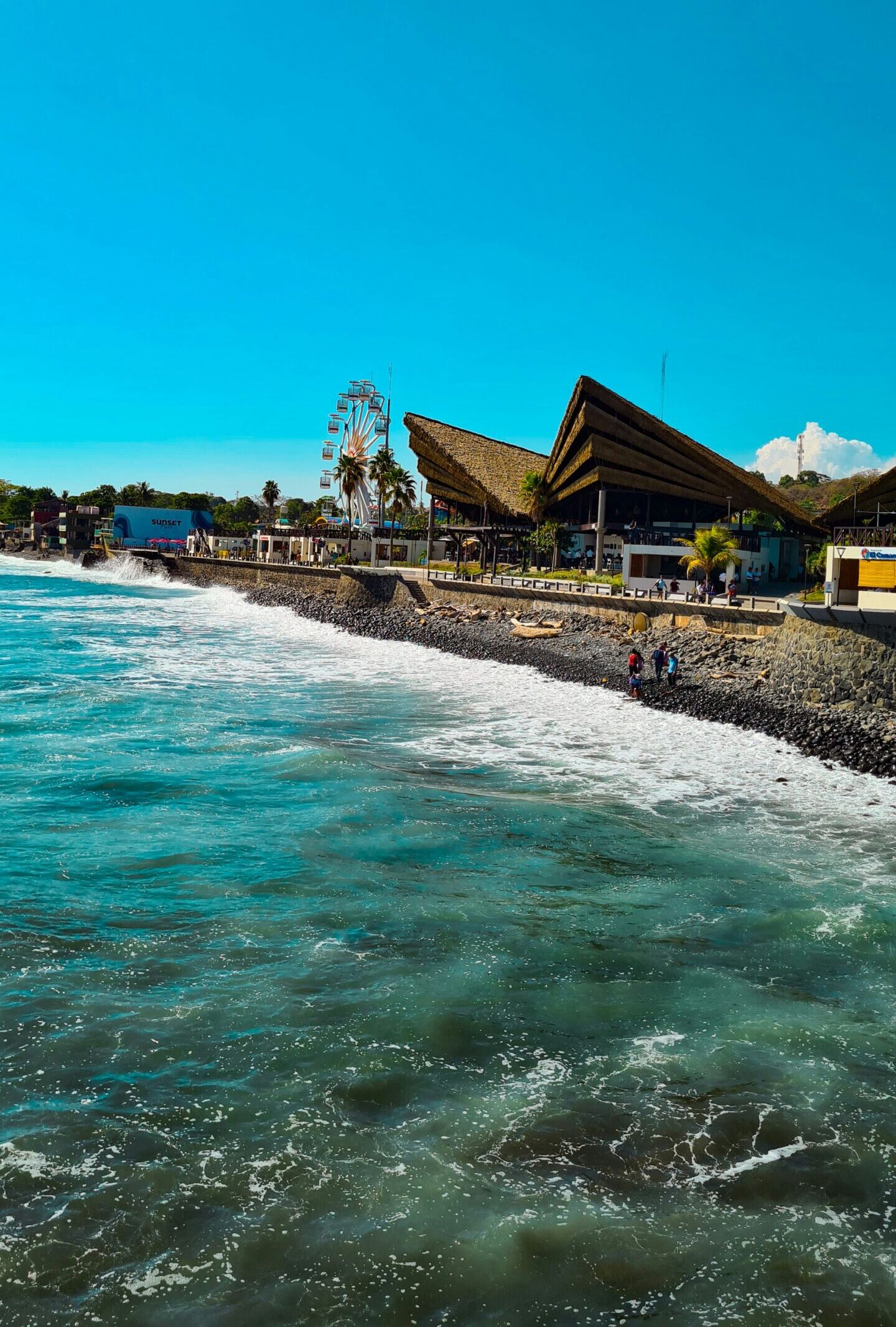
For anyone who has grown tired of shoveling snow and longs instead for consistent warmth, ocean air, and a slower daily rhythm, El Salvador offers a distinctive draw among Central American destinations. The Pacific coastline delivers reliable surf and black-sand beaches, while the volcanic highlands provide cooler evenings and lush landscapes. In a country where Bitcoin serves as legal tender and is accepted at markets, restaurants, and hotels, practical financial matters can feel simpler for retirees managing pensions or savings from abroad. Everyday costs for housing, fresh food, and dining out tend to stretch retirement income further than in many parts of the United States, Canada, or Europe.
People exploring the idea of retiring in El Salvador or spending extended seasons in a warm-weather Central American setting naturally want clarity on how long they can stay and what rules apply if they choose longer-term arrangements. The initial entry process sets the stage for any visit, whether someone is scouting beach towns for surfing or heading inland for the milder mountain climate. In 2026, a significant update to the requirements for temporary residents introduced greater flexibility while still maintaining a clear connection to the country. Understanding these frameworks helps turn interest into informed planning.
Short-Term Entry and the Initial Stay Framework
Most visitors from the United States, Canada, the European Union, and many other countries can enter El Salvador for tourism or short business trips without a traditional visa. At the airport, land border, or seaport, eligible travelers typically purchase a tourist card for a small fee of about twelve dollars. Immigration officials usually authorize an initial stay of up to ninety days through this card, though the period can reach one hundred eighty days depending on passport validity and the purpose of travel. This range is confirmed in current guidance from the U.S. Department of State and the U.S. Embassy in El Salvador.
El Salvador belongs to the CA-4 regional agreement alongside Guatemala, Honduras, and Nicaragua. Under this arrangement, the combined time spent across all four countries is generally limited to ninety days for most visitors. Even when El Salvador grants a longer initial authorization, neighboring CA-4 countries may only recognize the first ninety days when someone crosses internal borders. The rules apply the same way at every official entry point, whether someone arrives planning time near the surf or in higher-elevation towns.
Officials may ask for proof of sufficient funds to cover the planned stay and documents for onward travel. Entry can be refused if these requirements are not met. The framework exists as standard border management that distinguishes short visits from longer-term residency categories. It remains consistent nationwide, so the same process greets travelers headed to coastal communities or mountain retreats.
Why the Initial Rules Matter for Anyone Considering More Time
Many people who picture retiring in El Salvador begin with one or more extended visits to experience daily life firsthand. The authorized period gives time to feel the difference between warm, humid coastal mornings and the cooler, often breezy afternoons found at elevations around 1,400 meters or higher. It also provides space to notice how Bitcoin works for everyday purchases, how easy it is to move between beach areas and inland towns, and the simple reality of living without any winter weather.
Because the tourist card authorization has clear time limits, visitors naturally consider what happens if they want to remain longer. This is where the separation between short-term entry and actual residency categories becomes relevant. Temporary residency pathways exist for retirees and others with steady income, and these carry their own ongoing expectations. The initial rules therefore serve as the practical gateway that shapes how someone first tests the waters in a warm, beach-oriented environment.
The 2026 Update: A Clearer, More Flexible Presence Rule for Temporary Residents
In March 2026, El Salvador enacted Decree 531, which took effect on March 31 and amended the Special Law on Migration and Foreigners. The change significantly adjusted the physical presence obligation for people holding temporary residency permits. Before the update, temporary residents generally needed to spend roughly nine months of each year in the country and could not remain absent for more than ninety consecutive days without complications.
Under the revised rule, temporary residents must now spend a minimum of ninety calendar days per year inside El Salvador. Those days may be consecutive or accumulated across multiple visits throughout the year. This represents a substantial easing of the previous requirement and gives people far more flexibility in how they structure their time. The update applies specifically to individuals who already hold temporary residency, such as those in categories commonly used by retirees or people with independent income. It does not change the tourist card rules that govern short-term visitors.
Exceptions exist for properly documented cases of force majeure. Failure to meet the minimum can still lead to cancellation of residency status, so the obligation remains meaningful even though it is much lighter than before. The policy shift reflects an effort to accommodate modern, mobile lifestyles while preserving a genuine link to the country for those who select its residency options.
How the Updated Rule Fits with El Salvador’s Lifestyle Attractions
The greater flexibility introduced in 2026 aligns well with the qualities that attract people to El Salvador in the first place. The Pacific coast features consistent waves and a genuine surfing culture that appeals to both participants and observers. Warm water and beach settings make ocean time enjoyable year-round, something especially appealing to those who have spent decades in colder climates. Inland, towns in the highlands and along routes such as the Ruta de las Flores offer milder temperatures, fertile surroundings, and a noticeably unhurried pace.
Someone who values variety can allocate part of their required presence days to coastal living with its surf rhythms and part to higher elevations with their cooler evenings and green landscapes. The ninety-day minimum, whether taken in one stretch or spread out, makes it realistic to maintain residency while still traveling for family visits, medical appointments, or other reasons back home. This kind of balance suits retirees who want the security of residency without feeling locked into full-time presence every single year.
Bitcoin’s role as legal tender adds everyday practicality. Many businesses accept it directly, which can simplify payments for people receiving pensions or managing savings across borders. When combined with generally lower costs for groceries, housing, and meals out, the environment supports a comfortable retirement lifestyle centered on warmth, beach access, and outdoor rhythms rather than snow and ice. The updated presence rule reduces one longstanding barrier for individuals drawn to these advantages but who also maintain ties elsewhere.
Regional Consistency and Practical Daily Life
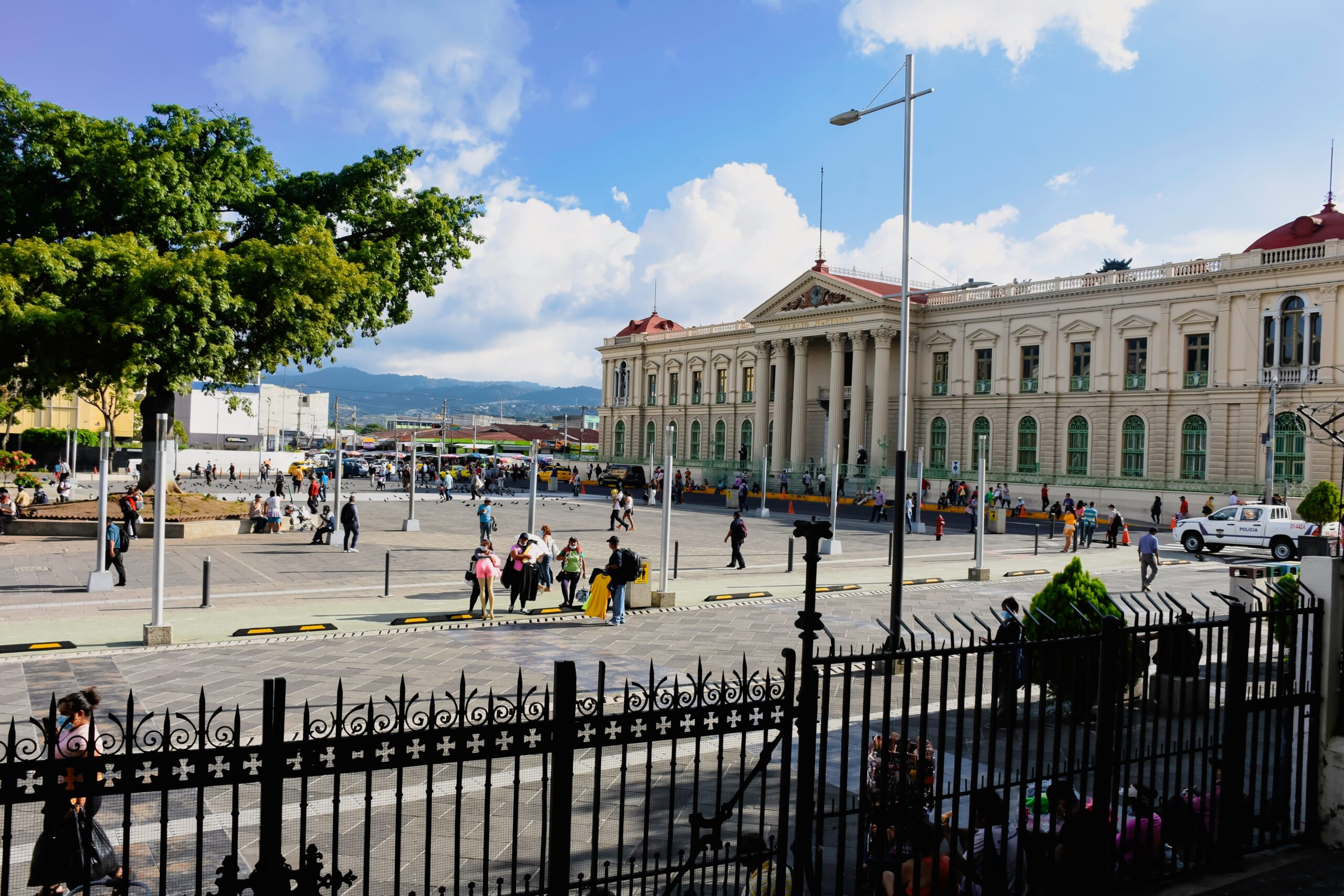
The entry rules and the 2026 residency presence requirement operate uniformly across the entire country. There is no variation in application between the coast, the capital region, or the western highlands. What changes is the lived experience. Coastal areas tend to emphasize beach routines, fresh seafood, and the energy that comes with surf communities. Mountain and valley towns often highlight coffee culture, walking trails, and quieter mornings with cooler air. Urban centers provide more services and dining variety while still allowing relatively quick access to both the shore and higher ground.
Weather follows elevation and season more than rigid calendar divisions. Lower elevations stay warm and often humid, while higher spots offer comfortable daytime temperatures and cooler nights. Because frost and snow are absent everywhere, residents enjoy consistent outdoor possibilities throughout the year. The dry season generally brings clearer skies favorable for beach activities, while wetter months bring vibrant greenery and occasional showers that rarely disrupt daily plans for long. This predictability is one reason the country appeals to people who want to escape harsh winters permanently or seasonally.
Public safety and infrastructure have improved markedly in recent years, contributing to a growing sense that longer stays are practical. English appears more often in tourist-oriented spots and among younger professionals, though basic Spanish opens everyday interactions quickly. The generally relaxed local culture helps newcomers settle into routines whether they choose mornings watching surfers on the Pacific or afternoons in a mountain café.
Seasonal Rhythms and Year-Round Warmth
One of the strongest attractions for anyone retiring from snowy regions is the simple fact of reliable warmth. Coastal zones maintain pleasant water temperatures for swimming or beach walks even in what would be winter months elsewhere. Higher elevations provide natural air conditioning without the need for heavy heating systems. This consistency removes the seasonal disruptions that many retirees have grown accustomed to managing, from icy roads to high heating bills.
The updated ninety-day rule supports people who want to enjoy these conditions without giving up all flexibility. Someone might spend the drier months focused on beach and surf activities, then travel during part of the year while still accumulating the required presence through strategic visits. The ability to spread the minimum days across multiple trips makes it easier to align time in El Salvador with personal preferences and family schedules back home.
Placing El Salvador Among Broader Central American Retirement Conversations
When people compare retirement or extended-living options across Central America, they typically weigh climate reliability, beach access, cost of living, and policy clarity. El Salvador’s combination of widespread Bitcoin acceptance, the 2026 easing of temporary residency presence requirements, and compact geography stands out. Different climate zones lie within a few hours’ drive, allowing residents to experience both surf culture and cooler mountain settings without long travel. The absence of any real winter and the presence of both beach and highland environments give individuals more choices in how they shape their days.
The revised presence rule makes residency more attainable for those who appreciate these features but prefer not to remain in one place continuously. At the same time, the straightforward tourist card process continues to serve anyone who wants to test the lifestyle with an extended visit first. Together, the frameworks create a more transparent foundation for people who have decided that warm weather, surf proximity, and lower everyday costs match their vision for this stage of life.
Final Perspective on the Rules in Context
El Salvador’s approach to short-term stays and temporary residency has always aimed to balance openness with reasonable oversight. The 2026 change through Decree 531 modernizes the presence obligation for temporary residents in a way that acknowledges how many internationally mobile people actually organize their lives. By reducing the annual requirement to ninety days that can be consecutive or accumulated, the country signals that it values ongoing connection without demanding near-constant physical presence for those who choose its pathways.
For anyone seriously considering retiring in El Salvador or spending extended seasons in a Central American setting defined by warmth, surf, mountains, and practical tools like Bitcoin, these rules form part of the practical foundation. They apply the same way whether someone ultimately bases themselves near breaking waves or in the cooler air of a highland town. The framework does not remove the need for careful personal planning, yet it does provide a clearer and more flexible structure than existed previously, particularly valuable in a destination that continues to attract attention for its natural beauty, improving conditions, and distinctive approach to modern living.
Understanding what the rules actually state, when they apply, and why they were updated helps transform abstract interest into concrete consideration. El Salvador’s beaches, highlands, and year-round warmth remain the central draws. The residency rules simply define one important dimension of how longer-term engagement works in practice, answering the essential questions of what the requirements involve, when they come into play, why the 2026 adjustment matters, and where the same standards apply across the country’s diverse landscapes.