For people planning to move to El Salvador — particularly those looking to retire in a place with consistent warmth, lower overall costs than many northern destinations, and easy access to both Pacific beaches and scenic highlands — driving the full distance from the United States offers something flying cannot. It turns the relocation into a deliberate, gradual transition rather than an abrupt arrival. You bring your own vehicle for immediate independence, transport belongings more comfortably, and watch the landscape and climate shift in real time as you head south. By the time you cross into El Salvador, the idea of never shoveling snow again feels tangible, and the country’s compact geography means you can settle into either cooler mountain living or warmer beach and surfing communities within a short drive from the western border.
The overland route is long — typically spanning several thousand miles through Mexico and Guatemala before reaching El Salvador — but it follows established corridors that many travelers complete successfully each year. The journey rewards those who enjoy road trips and value the sense of accomplishment that comes with arriving under your own power. For retirees drawn to Central America’s lower cost of living and year-round outdoor lifestyle, the drive provides a practical advantage: your car is already there, ready for exploring surf breaks, highland coffee routes, or daily errands without depending on rentals from day one.
The Changing Landscape Across Mexico
The Mexican leg often feels like the longest and most varied portion. Depending on your starting point and chosen corridor, you might travel through the Baja California peninsula and take a ferry to the mainland, or head through central and southern mainland routes. Either way, the scenery evolves dramatically. Northern areas can feel open and expansive, while further south the terrain grows greener and more mountainous, especially in regions like Chiapas and Veracruz. Some drivers note hot stretches in lowland areas, while highland sections bring cooler air and sweeping views.
Main toll roads in Mexico generally provide smooth pavement, clear signage, and reliable services, making long driving days more predictable. These routes often feel comparable to major U.S. highways in quality. Free roads exist as alternatives but tend to vary more in maintenance and can include more local traffic or occasional rough patches. Many people who have completed this journey describe settling into a rhythm of daytime driving with planned stops in towns that offer fuel, meals, and overnight options. The cultural shift becomes noticeable as you move south — markets, architecture, and daily life begin to reflect a more distinctly Central American character even before you leave Mexico.
Entering Guatemala and the Highland Transition
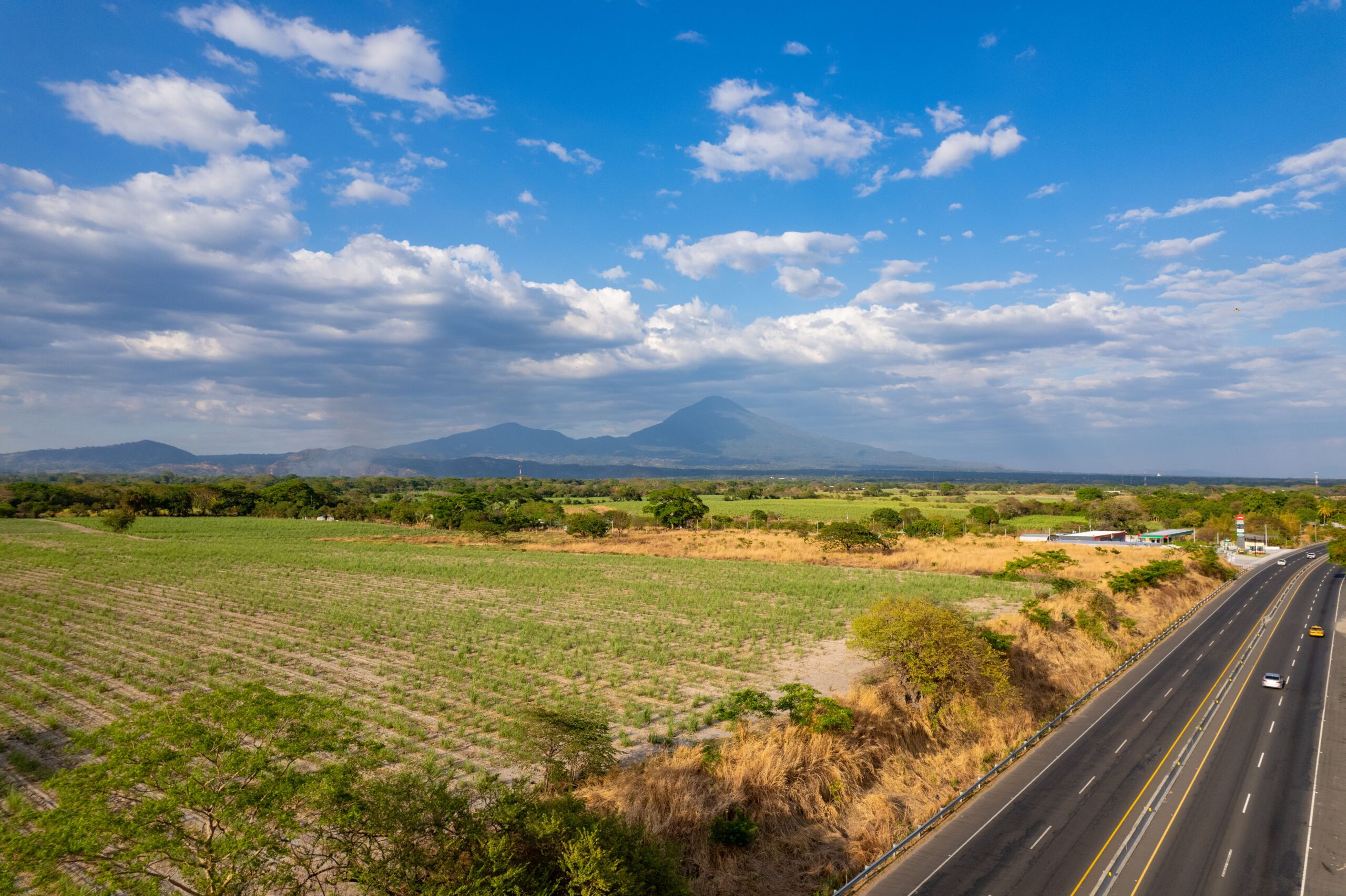
Crossing into Guatemala marks a clear change in both scenery and road character. The landscape turns more rugged and volcanic, with winding highland roads that climb and descend through dramatic terrain. Travelers frequently mention the beauty of volcano backdrops, lush valleys, and the cultural richness of small towns and markets along the way. Main highways remain paved and drivable for the primary network, though the mountain sections require more attention to curves and elevation changes than the straighter stretches farther north.
This part of the journey often feels like a deeper immersion into Central America. The roads can include more character — occasional speed bumps in populated areas, narrower passages in places, and the occasional stretch that rewards slower, more scenic pacing. Many drivers report that the visual rewards make up for the added attentiveness required. By the time you approach the border with El Salvador, the volcanic presence that defines much of the region becomes unmistakable, and the air often carries a different quality as you near the final crossing.
Arriving in El Salvador: Quick Access to Two Distinct Lifestyles
The western border crossing into El Salvador typically opens directly into areas that give new arrivals immediate choices. From here, routes lead quickly toward the western highlands or toward the Pacific coast. El Salvador’s primary highways have seen ongoing improvements in recent years, with better pavement, bridges, and widening on key corridors. The country’s road network is generally considered among the more reliable in the region for main routes, though rural or secondary roads can vary and may require more caution, especially during heavier rain periods.
This compact size is one of El Salvador’s quiet advantages for retirees. Within a reasonable drive from the western entry, you can reach either the cooler, scenic Ruta de las Flores highlands or the warmer Pacific coast communities. Many people describe the moment of arrival as energizing — the long journey ends in a country where both mountain tranquility and beach access sit relatively close together, all under consistent tropical warmth.
The Highlands: Cooler Days and Coffee-Country Living
The western highlands along the Ruta de las Flores offer a noticeably cooler and more temperate feel than the lowlands or coast. Elevations around 1,400 meters and higher bring fresher air, especially in the mornings and evenings, which many retirees appreciate after years in hotter or more humid climates. The route winds through a series of small, colorful towns — places like Apaneca, Ataco, Juayúa, and Nahuizalco — known for coffee plantations, local markets, murals, and a relaxed, community-oriented pace.
Daily life here often revolves around the natural surroundings. Coffee culture is strong, with opportunities to visit farms and enjoy fresh-roasted beans. Waterfalls, hiking trails, and scenic viewpoints are common day-trip options. The towns themselves tend to have a charming, local vibe with colorful streets, small restaurants, and weekend markets that feel authentic rather than overly tourist-oriented. For retirees seeking a quieter, nature-connected retirement with milder temperatures, this area provides a comfortable base while still allowing relatively easy drives to other parts of the country.
The cooler climate pairs well with the lower cost of living that attracts so many people to El Salvador. Outdoor activities remain enjoyable year-round without extreme heat, and the surrounding volcanic landscapes create a dramatic yet peaceful backdrop for daily life.
The Pacific Coast: Warmth, Surf, and Beach-Oriented Days
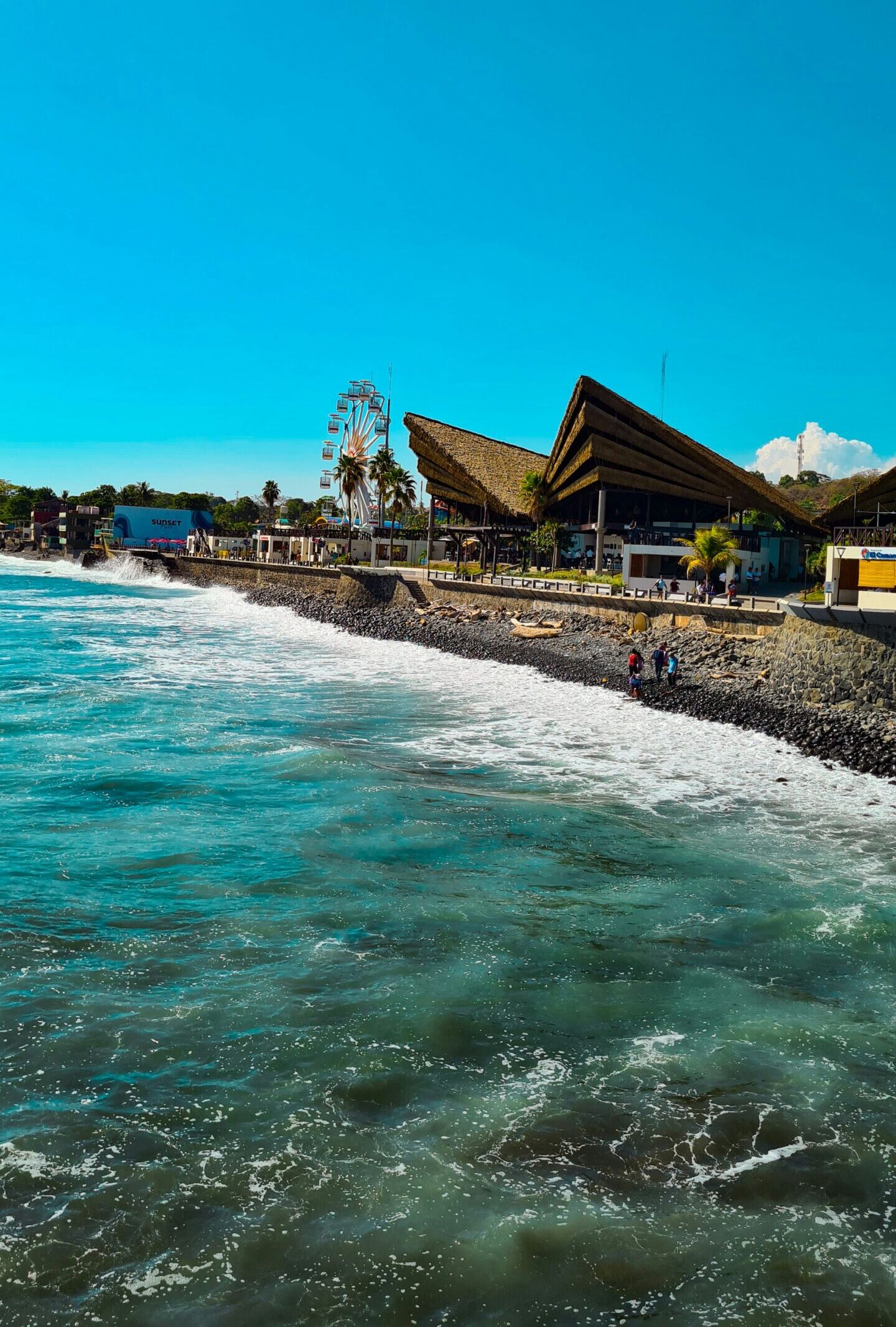
Heading south or toward the coast from the western entry brings you into warmer, more humid conditions typical of El Salvador’s Pacific lowlands. Towns and communities near El Tunco, El Zonte, and the broader Surf City corridor offer direct access to black-sand beaches and consistent waves that have made the area increasingly popular with surfers and beach enthusiasts. Water temperatures stay comfortable for much of the year, and the ocean lifestyle becomes central.
For retirees who picture mornings or afternoons spent near the water, watching surfers, or simply enjoying the rhythmic sound of waves, this region delivers. The warmth supports an active outdoor routine — beach walks, swimming, or simply relaxing in the consistent tropical climate. Many coastal spots maintain a mix of local character and visitor-friendly amenities, with restaurants and small businesses that reflect the surf culture. Bitcoin acceptance is common in tourist-oriented areas, adding everyday convenience alongside the U.S. dollar.
The coast also benefits from El Salvador’s overall lower cost of living. Housing options, fresh seafood, and local services tend to be more affordable than in many northern retirement destinations, allowing a comfortable lifestyle with the added bonus of never worrying about cold weather or snow.
Seasonal Considerations for the Drive
The timing of the journey influences how comfortable the driving experience feels. During the dry season (roughly November through April), skies tend to stay clearer, rainfall is minimal, and road conditions across the route are generally more predictable. This period often aligns with pleasant daytime temperatures and fewer weather-related interruptions, making it a popular window for long-distance overland travel.
The rainy season (May through October) brings greener landscapes and dramatic afternoon showers, especially in the highlands. While main roads remain passable, some mountain sections can become slicker, and visibility may decrease temporarily during heavy downpours. Many drivers note that the rains often arrive in the afternoon and clear by evening, allowing productive mornings. The extra greenery and refreshed scenery reward those who don’t mind adjusting their schedule around the daily pattern. Either season works for the drive when approached with reasonable pacing and awareness of conditions.
Why the Drive Appeals for Retirement Relocation
Beyond the practical benefit of arriving with your own vehicle, the overland journey offers emotional and lifestyle advantages for many retirees. Pets often travel more comfortably in a familiar car than in cargo on a flight. Belongings that feel important for creating a sense of home — whether furniture, hobby supplies, or simply the comfort of your own transportation — can come along without the complications and costs of shipping. The gradual change in climate and scenery provides time to acclimate mentally as well as physically.
Once in El Salvador, having your car ready means immediate freedom to explore both the highlands and the coast, visit markets, or simply handle daily needs without relying on others. The country’s small size amplifies this advantage: a drive that might take hours in larger nations can connect very different environments here. Combined with the consistent warmth, lower cost of living, and the modern convenience of Bitcoin being accepted as legal tender alongside the dollar, the drive positions you to step directly into the retirement lifestyle you envisioned.
A Balanced View of the Practical Realities
Any long international drive requires preparation and a measured approach. Many people who have completed the route from the United States to El Salvador emphasize driving during daylight hours, sticking primarily to well-traveled main highways and corridors with services, and using community-updated resources for current road information. Overnight stops in established areas help maintain a sustainable pace. Border processes involve standard immigration and temporary vehicle importation steps that vary by crossing and time of day — some feel efficient, others require patience.
Road conditions on primary routes are generally manageable, with Mexico’s toll roads often providing the smoothest experience, Guatemala’s main highways handling the mountainous terrain adequately, and El Salvador’s key corridors benefiting from recent improvements. Rural or secondary roads in any country can include more variability, which is why many travelers focus on the main network for the bulk of the journey. The overall consensus among those who have done it is that the drive is achievable with realistic expectations and a willingness to adapt to local conditions and rhythms.
The Reward Waiting at the End
Completing the drive and arriving in El Salvador often brings a profound sense of having truly arrived rather than simply landed. You have crossed countries, watched the environment transform, and brought your means of independence with you. Whether you settle into the cooler, coffee-country charm of the Ruta de las Flores highlands or the warmer, wave-oriented Pacific coast communities, you step into a place where daily life can center on outdoor activities, fresh local food, and the simple pleasure of consistent warmth without winter concerns.
El Salvador’s combination of lower cost of living, welcoming communities, and easy access to both mountain scenery and surf beaches makes it an increasingly attractive option for retirement in Central America. Having your own vehicle already in the country accelerates the process of turning that potential into everyday reality. The overland journey, while long, delivers you not just to a new country but to a new phase of life — one where the road behind you becomes the foundation for the freedom and warmth ahead.
For those who value the experience of the journey as much as the destination, driving from the United States to El Salvador can be more than transportation. It can be the first chapter of a retirement defined by adventure, independence, and the quiet satisfaction of having made the move on your own terms.