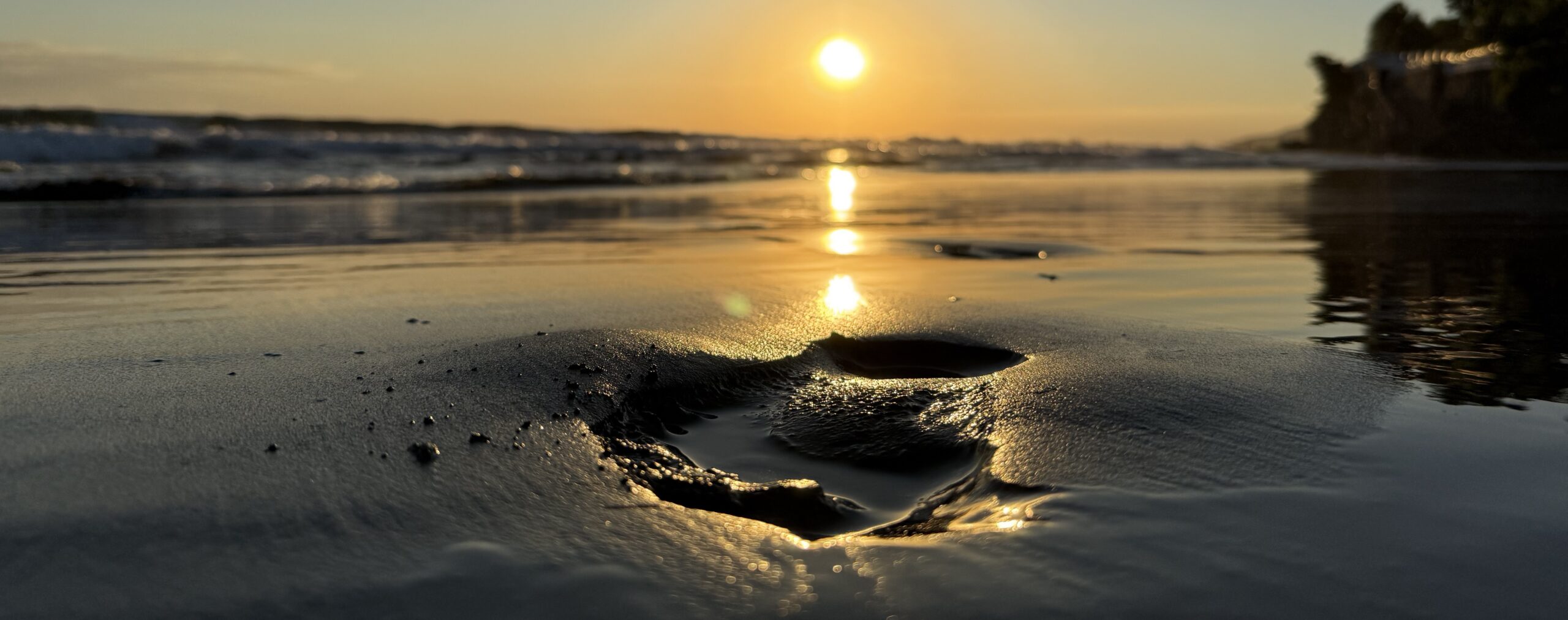
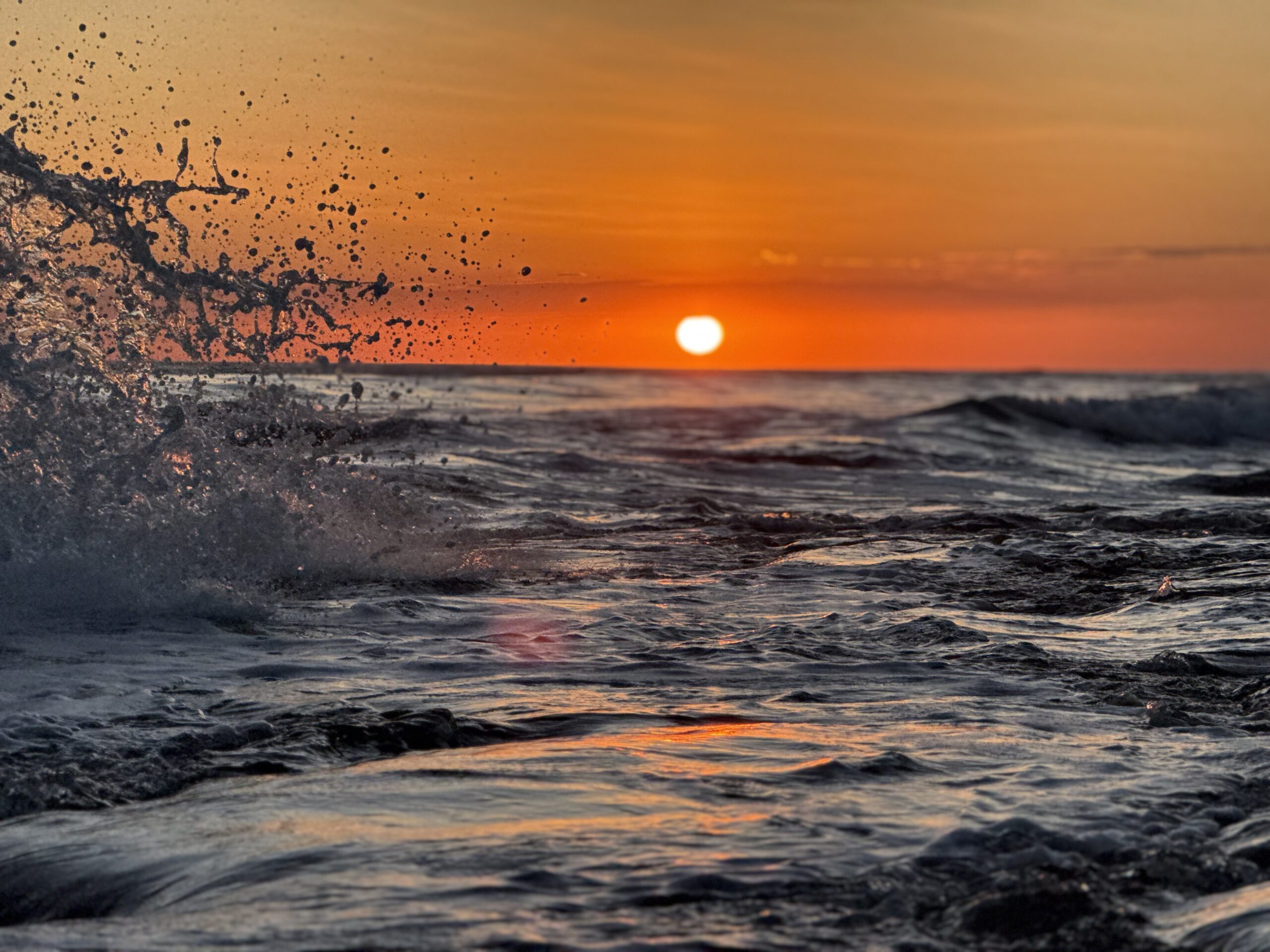
You step onto your patio with a cup of coffee in hand, and the air already feels pleasantly warm against your skin. The sun is rising over the Pacific, painting the sky in soft pinks and oranges, while a gentle breeze carries the faint scent of ocean salt and distant coffee blossoms. There is no frost on the grass. No need to bundle up or scrape ice from a car windshield. This is simply another beautiful morning in El Salvador, where the weather in El Salvador delivers consistent warm weather that makes every day feel like the kind of escape many only dream about during long northern winters. For Americans and other internationals who have chosen retiring in El Salvador or making the move to El Salvador, the country’s climate quickly becomes one of the greatest daily joys, supporting a relaxed, outdoor-focused lifestyle without the high costs or seasonal limitations found back home or in other parts of Central America.
In 2026, El Salvador continues to attract those seeking warm weather year-round, stunning beaches, excellent surfing, a lower cost of living, and the freedom of never having to shovel snow again. The seasons in El Salvador are straightforward and predictable, with just two main periods that shape daily life, travel, and activities. Whether you settle along the Pacific coast in Surf City, in the cooler mountains along the Ruta de las Flores, or in the vibrant capital of San Salvador, the climate feels welcoming and manageable. This article explores the what of the country’s tropical climate and microclimates, the when of its distinct dry and rainy seasons, the why it appeals so strongly to retirees and expats, and the where across different regions so you can picture exactly how the weather in El Salvador will fit into your new life.
What the Weather and Seasons in El Salvador Are Really Like
El Salvador enjoys a classic tropical climate moderated by its position on the Pacific coast and its varied topography of volcanoes, mountains, and coastal plains. Unlike many places that experience four distinct seasons with freezing winters or extreme heat waves, the country offers remarkably consistent warm weather throughout the year. Daytime temperatures rarely stray far from the comfortable range, and the absence of harsh cold makes outdoor living the norm every single month.
The country is divided into two primary seasons driven by rainfall rather than dramatic temperature swings. The dry season, often called summer by locals, runs from November through April. During these months the skies stay mostly clear, sunshine is abundant, and humidity feels lower, creating ideal conditions for beach days, hiking, and exploring. The rainy season, or winter in local terms, stretches from May through October. Rain typically arrives in the form of afternoon or evening showers that pass quickly, leaving the landscape lush and green while keeping temperatures pleasant.
Microclimates add wonderful variety within this small nation. Coastal areas stay warmer and more humid, while higher elevations in the mountains and central plateau offer cooler, more moderate conditions. Elevation plays a key role here. A short drive can shift you from hot beach towns in the low 80s and 90s Fahrenheit to pleasant highland temperatures in the 70s. This diversity means you can choose a lifestyle that matches your preference for heat or mildness without ever leaving the country. The weather in El Salvador also supports consistent surfing conditions along the Pacific, with reliable waves year-round thanks to the stable ocean temperatures and swell patterns.
Humidity is present but rarely overwhelming outside of the peak rainy months, and the constant breeze from the ocean or mountain air keeps things comfortable. Extreme weather events like hurricanes are uncommon because El Salvador lies south of the main hurricane belt, though occasional tropical storms can bring heavier rain during the wet season. Overall, the climate feels gentle and forgiving, especially for those coming from places where winter means months of cold, darkness, and high heating bills.
When the Seasons Change and What Each Month Feels Like
The seasons in El Salvador follow a clear rhythm that aligns beautifully with daily expat life and major holidays. Understanding this pattern helps newcomers plan activities and settle into routines that take full advantage of the warm weather.
The dry season begins in November and runs through April, marking the most popular time for visitors and new residents alike. November brings the transition with decreasing rainfall and increasingly sunny days. Temperatures feel perfect for outdoor exploration, and many expats note that this is when the country shines for beach visits and mountain hikes. December through February offer some of the clearest skies and mildest evenings, with daytime highs along the coast around 85 to 90 degrees and cooler nights in the highlands. These months coincide with popular holidays like Christmas and New Year’s, when families gather outdoors and fireworks light up the warm evening air. March and April continue the sunny pattern, often feeling like extended summer, with Semana Santa processions and alfombras unfolding under bright blue skies. This is prime time for surfing enthusiasts, as consistent waves roll in and the beaches feel especially inviting.
The rainy season starts in May and lasts through October, bringing a different but equally enjoyable character to the weather in El Salvador. Rains usually arrive in the afternoon or early evening as short, refreshing showers rather than all-day downpours. Mornings stay bright and pleasant, making it easy to schedule hikes, market visits, or coastal drives before the daily precipitation. June through August see the heaviest rainfall, yet the showers are predictable and often followed by beautiful rainbows over the volcanoes or ocean. The landscape turns vibrantly green, coffee plantations thrive, and waterfalls run fuller, creating stunning backdrops for those who love nature. September and October mark the gradual return to drier conditions, with occasional heavier storms possible but still manageable. Even during these months, the warm weather persists, and many expats find the lush, tropical atmosphere adds a refreshing change of pace without disrupting daily life.
Throughout both seasons, temperatures remain remarkably stable. Coastal areas average 82 to 88 degrees during the day year-round, while mountain towns like those along the Ruta de las Flores stay 10 to 15 degrees cooler. Nights cool down pleasantly, rarely dropping below the mid-60s even in the highlands. This consistency means you can keep the same wardrobe and activity level month after month, a huge contrast to places where seasonal changes require constant adjustments.
Why the Weather and Seasons Make El Salvador Ideal for Retirement and Expats
The weather in El Salvador and its predictable seasons in El Salvador stand out as major reasons so many choose retiring in El Salvador or making the move to El Salvador. For anyone tired of shoveling snow or enduring long, dark winters, the constant warm weather feels like a daily gift. You can plan beach picnics, volcano hikes, or evening strolls without checking a forecast weeks in advance or worrying about canceled plans due to cold or ice. This reliability supports an active, healthy retirement lifestyle at a lower cost of living, since there are no heating bills, heavy winter clothing expenses, or the need to escape to warmer destinations for months at a time.
The climate also enhances everyday pleasures. Fresh produce stays abundant and affordable year-round, supporting healthy eating on a budget. Outdoor dining and social gatherings happen naturally under pleasant skies or during quick evening showers that cool the air. For those who love the beach lifestyle or surfing, the Pacific coast delivers consistent conditions with warm ocean waters that invite swimming or wave riding almost every day. The lower cost of living stretches further here because the warm weather reduces many of the hidden expenses that come with harsher climates elsewhere in Central America or back home.
Bitcoin acceptance across the country adds modern convenience to daily routines, but it is the climate that truly sets the tone for a relaxed pace. The seasons in El Salvador align with local festivals and cultural events, from dry-season parades to the lush backdrop of rainy-season coffee harvests. This harmony between weather and way of life creates a sense of ease that many expats describe as transformative. You wake up knowing the day will be warm and inviting, allowing you to focus on relationships, hobbies, and simple joys rather than battling the elements.
Compared to other retirement destinations, El Salvador offers a sweet spot. It avoids the extreme heat and humidity of some equatorial spots while providing more consistent sunshine than cloudier Central American neighbors. The lack of a true winter means you never have to endure months of reduced activity or higher costs, making the lower cost of living feel even more sustainable over the long term.
Where the Weather and Seasons Feel Different Across El Salvador
One of the most appealing aspects of the weather in El Salvador is how it varies by region, giving you real choice in how you experience the seasons in El Salvador without ever leaving the country.
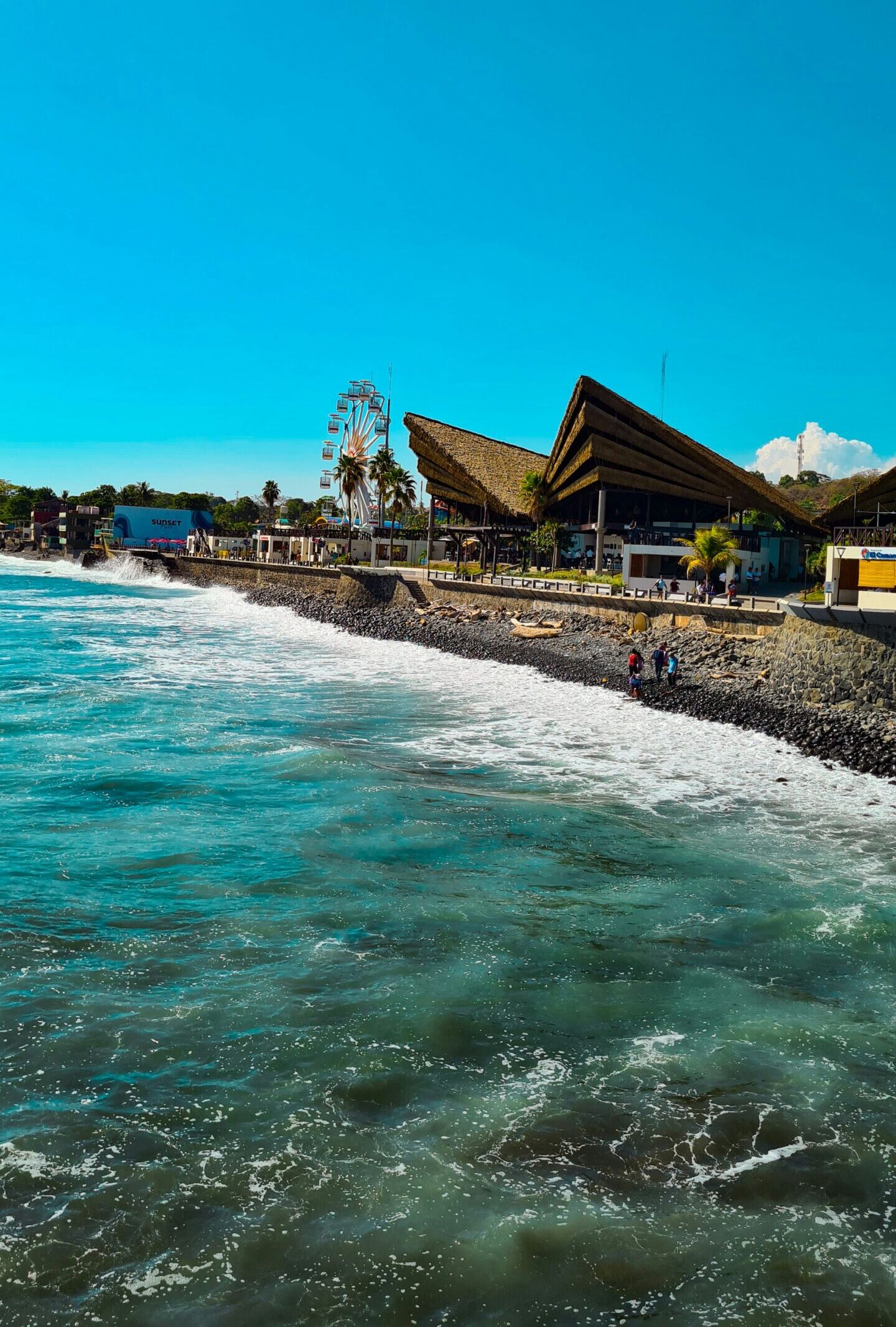
Along the Pacific coast and Surf City corridor, including La Libertad, El Tunco, and El Zonte, the climate stays hot and tropical year-round. Daytime temperatures hover in the mid to upper 80s, with high humidity that feels refreshing near the ocean breeze. The dry season brings perfect beach days and excellent surfing conditions, while the rainy season adds dramatic sunsets and greener surroundings without long interruptions. Expats here enjoy a laid-back lifestyle where the warm weather encourages daily ocean time and casual outdoor living.
In the central highlands and capital region around San Salvador, temperatures are slightly milder, often in the 70s and 80s. The dry season feels especially comfortable for city exploration and visits to revitalized plazas and parks. During the rainy months, afternoon showers cool things down pleasantly, and the surrounding volcanoes stay visible on clear mornings. This area offers a nice balance for those who want urban conveniences with milder warm weather.
Further west in the Ruta de las Flores and mountain towns like Juayua, Ataco, Apaneca, and Santa Ana, the elevation creates the most temperate conditions. Daytime highs often stay in the 70s and low 80s, with cooler evenings that feel refreshing after a day of hiking or market visits. The dry season showcases clear views of coffee plantations and volcanoes, while the rainy season turns the region into a lush paradise of waterfalls and blooming flowers. Many retirees prefer these areas precisely because the weather in El Salvador here feels like perpetual spring, ideal for outdoor activities without the coastal heat.
Near the volcanoes and lakeside spots like Suchitoto, similar highland patterns apply, with microclimates that can shift noticeably over short distances. No matter where you choose to live, the seasons in El Salvador remain predictable enough that a short drive lets you chase sunshine, cooler air, or ocean breezes whenever you want.
How the Weather Shapes Daily Life and Long-Term Happiness
For those who have made the move to El Salvador, the weather and seasons quickly become more than background details. They shape routines, social plans, and a profound sense of well-being. Morning coffee on the patio turns into a daily ritual enjoyed in comfort. Weekend drives to the beach or mountains happen spontaneously because the warm weather makes them appealing rather than a gamble. Even simple tasks like grocery shopping or meeting friends feel lighter when the sun is shining and the air is mild.
The climate supports the kind of active retirement many envision. You can maintain an outdoor lifestyle year-round, whether that means surfing, hiking, gardening, or simply enjoying fresh air and sunshine. The lower cost of living benefits from this too, as utility bills stay reasonable without extreme heating or cooling needs. Bitcoin payments at local spots make grabbing a cold drink after a beach walk or a warm meal after a mountain hike effortless and modern.
Over time, the consistent warm weather fosters a mindset of presence and gratitude. There are no long months of waiting for spring. Every season brings its own beauty, from the clear blue skies of the dry period to the vibrant greens and dramatic skies of the rainy months. This rhythm encourages a slower, more connected way of living that aligns perfectly with the welcoming Salvadoran culture and the natural beauty of the country.
El Salvador proves that you do not need to choose between warm weather, affordability, and quality of life. The seasons in El Salvador deliver all three in a compact, diverse package that feels tailor-made for those ready to embrace a new chapter. Whether you picture yourself watching waves roll in during a sunny dry-season afternoon or enjoying the lush tranquility of a rainy-season evening in the mountains, the weather in El Salvador supports the kind of retirement or expat life many have been searching for.
In the end, the climate here is more than just numbers on a forecast. It is the gentle backdrop that makes every day feel like an invitation to live fully, explore freely, and enjoy the simple pleasures of sunshine, ocean breezes, and warm evenings under the stars. For anyone drawn to retiring in El Salvador or making the move to El Salvador, the weather and seasons quickly become one of the strongest reasons this small Central American country feels like home from the very first morning you step outside and realize you will never have to shovel snow again.