For anyone exploring options to move to El Salvador or retire in a Central American country with a lower cost of living, understanding daily expenses is one of the most practical first steps. El Salvador stands out among destinations in the region because it uses the U.S. dollar as its official currency, which eliminates exchange rate headaches and brings a level of financial predictability that many other Central American spots lack. Whether you are a retiree looking for a place where your savings stretch further or someone simply considering a move to Central America for a more affordable lifestyle, the numbers show real potential for comfort without the high prices common back home in the United States or Europe.
That said, cost of living in El Salvador varies significantly depending on where you choose to settle and the kind of life you want to lead. San Salvador, the capital, tends to carry higher expenses, especially for housing and imported goods. Smaller cities like Santa Ana or San Miguel, as well as coastal areas and more rural spots, often allow for noticeably lower monthly budgets. Many people who retire in El Salvador or move here long-term find that a thoughtful approach to location and spending habits makes a big difference. A comfortable retirement lifestyle here typically requires a minimum of around $2,000 per month for a couple, though single individuals or those living more modestly can get by on less.
This guide breaks down the major categories of expenses based on current 2026 data from sources such as Numbeo and Expatistan, which draw from real resident reports. These figures represent averages and ranges, so your actual costs will depend on personal choices. The goal is to give you a clear, realistic picture so you can plan your move to El Salvador with confidence.
Housing: The Largest Monthly Expense
Housing usually represents the single biggest line item in any budget when moving to El Salvador or retiring in Central America. Because the country is small and offers a mix of urban, suburban, mountain, and beach communities, you have genuine flexibility in what you pay.
In San Salvador, a one-bedroom apartment in the city center averages around $850 to $1000 per month, while the same place outside the center runs closer to $700 to $900. Three-bedroom apartments suitable for couples or families start at about $1,200 in central areas and drop to roughly $1000 outside the center.
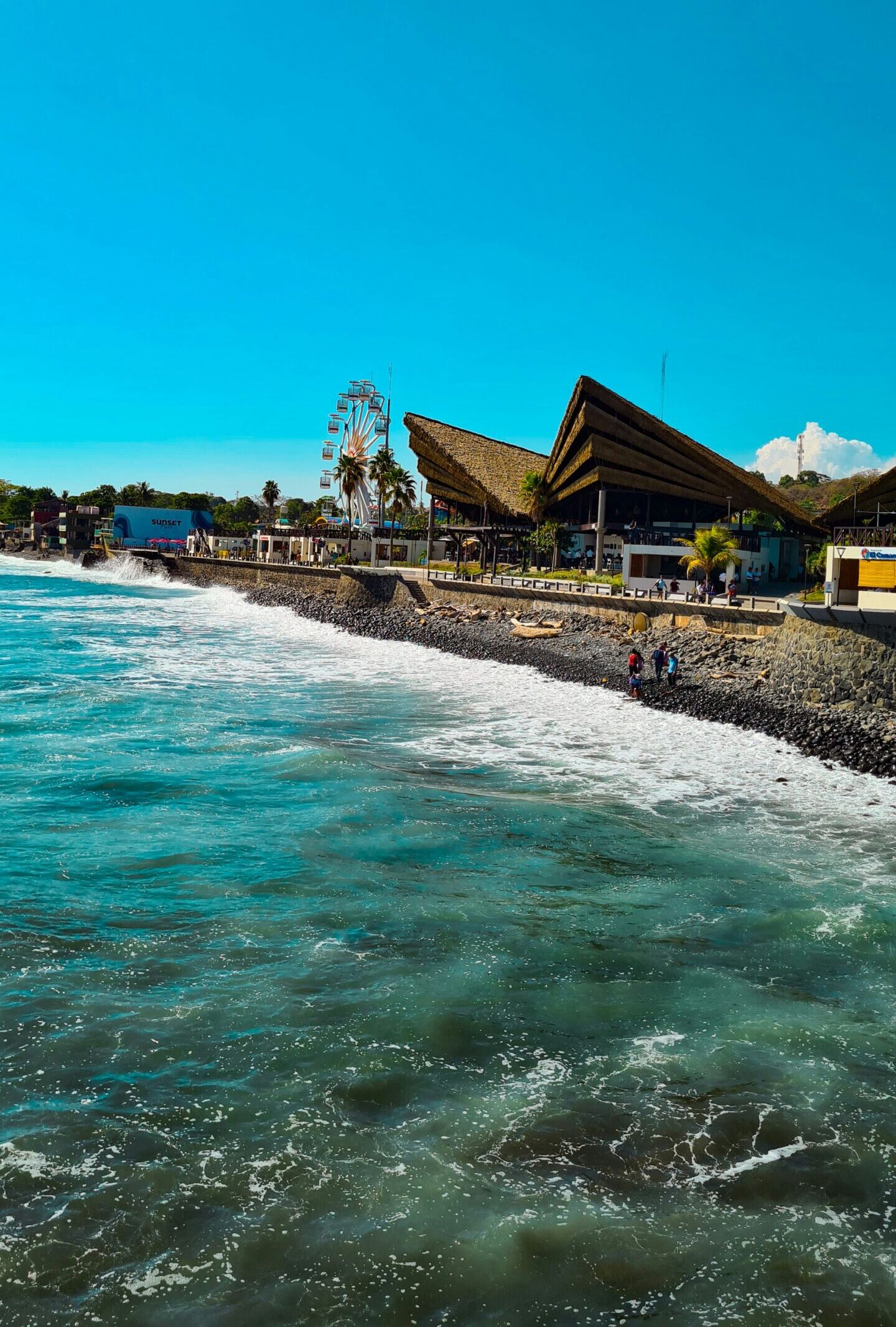
Move away from the capital, and the picture changes quickly. In smaller cities such as Santa Ana or Sonsonate, a nice one-bedroom can often be found for $600 to $700. Coastal towns popular with retirees and digital nomads, including areas near La Libertad or El Tunco, show similar ranges—sometimes as low as $500 for modest but comfortable homes. Rural or smaller inland communities can bring rents even lower, occasionally dipping below $300 for a simple house with basic amenities.
Buying property is another route many people consider when planning a long-term retirement in El Salvador. Prices per square foot in city centers hover around $250, while properties outside urban zones average closer to $146. A modest home in a desirable but non-capital area might cost between $80,000 and $150,000, which is attractive for those who want to invest rather than rent indefinitely. Keep in mind that real estate transactions involve notary fees, taxes, and sometimes legal assistance, so budgeting an extra 5 to 10 percent on top of the purchase price is wise.
Utilities add another layer. For an 85-square-meter apartment, basic electricity, water, garbage, and cooling typically run $100 to $130 per month in San Salvador, though this can drop to $60 to $100 in smaller towns where air-conditioning use is lower. Internet service delivering 60 Mbps or faster consistently costs about $41 on average nationwide, with mobile phone plans that include ample data coming in at roughly $23. These figures make it easy to keep communication and basic home services affordable no matter where you settle.
Food and Groceries: Everyday Essentials That Stay Reasonable
One of the pleasant surprises for many people who move to El Salvador is how far grocery money stretches when you shop like a local. Fresh produce, rice, beans, eggs, and chicken form the backbone of everyday meals and remain inexpensive throughout the country.
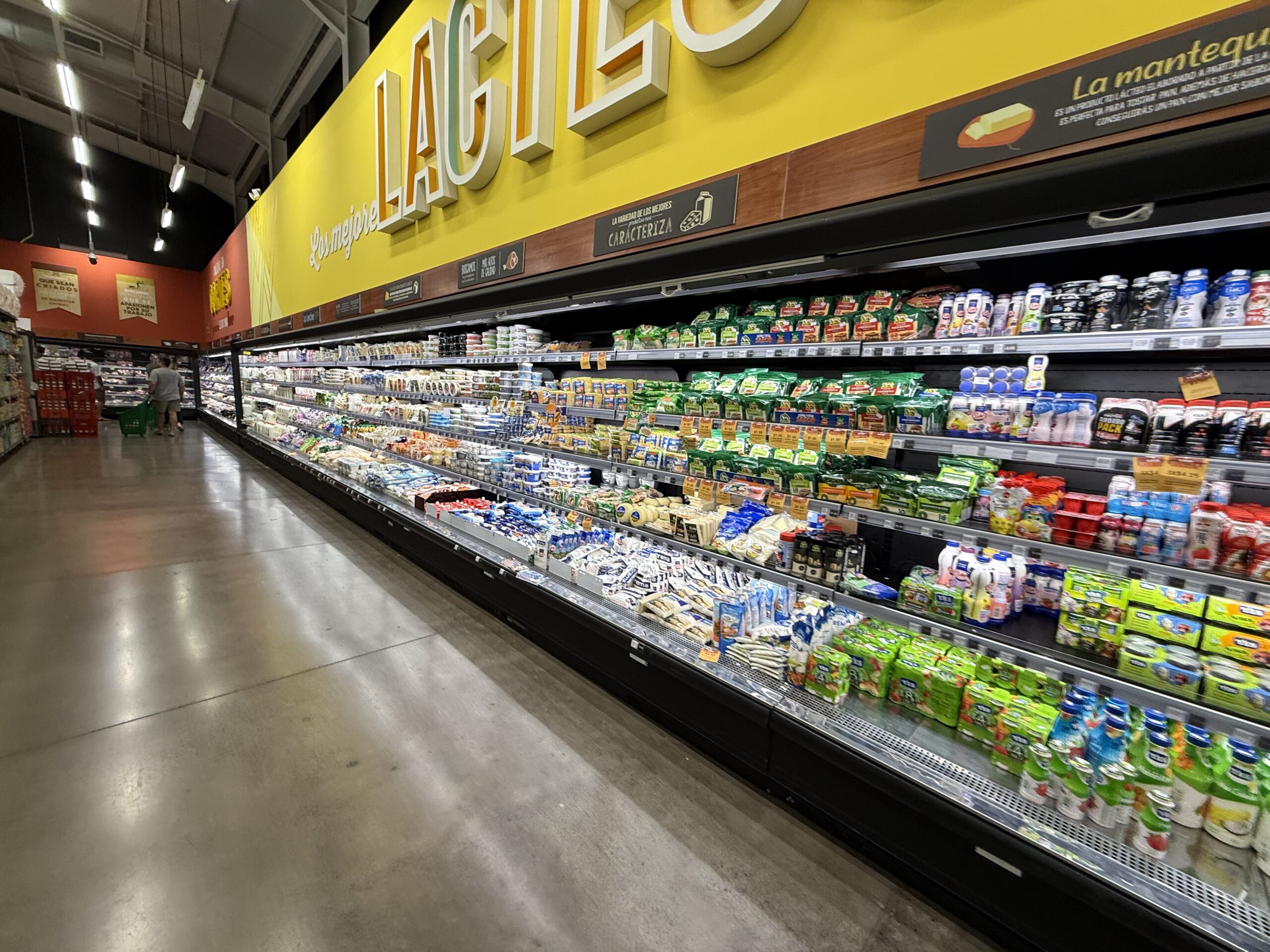
A liter of milk averages $1.77, a dozen eggs run about $2.53, and a pound of chicken fillets costs roughly $2.64. Local fruits and vegetables are particularly budget-friendly: tomatoes at $1.21 per pound, bananas at $0.86, and potatoes at $1.14. A basic market trip for a week’s worth of fresh ingredients for one person often lands between $40 and $60. For a couple eating mostly at home, monthly grocery costs typically fall in the $250 to $350 range, depending on whether you include some imported items like certain cheeses or wines.
Dining out adds variety without breaking the bank. An inexpensive restaurant meal costs around $7, while a three-course dinner for two at a mid-range spot averages $45. Street food and pupuserías—traditional Salvadoran spots serving stuffed tortillas—offer even lower prices, often under $3 per person. Mixing home cooking with occasional meals out is a good way to keep your food budget well under control and actually enhance your experience by connecting you with local culture.
Imported goods and Western-style supermarket items naturally cost more. A bottle of decent wine might run $10, and some packaged snacks or specialty items can feel pricey compared with local alternatives. Sticking primarily to what is grown and produced in El Salvador is one of the simplest ways to enjoy a lower cost of living while supporting the local economy.
Transportation: Getting Around Efficiently
Transportation expenses in El Salvador tend to stay modest, especially if you rely on public options or live in a walkable area. A one-way local bus or microbus ticket averages just $0.35. Taxis and ride-sharing services like Uber are widely available in San Salvador and tourist areas, with short rides often costing $3 to $8.
For those who prefer independence, owning a car is feasible but adds noticeable costs. Gasoline runs about $1.07 per liter, and maintenance plus insurance can push monthly vehicle expenses to $150 or more. Many retirees who settle outside the capital find they need a car less often because daily needs are within walking distance or a short, inexpensive taxi ride away. In beach towns or smaller communities, a scooter or bicycle can sometimes replace a full-size vehicle entirely, further trimming the budget.
Overall, a realistic transportation allowance for a retiree couple might range from $50 to $200 per month, depending on how much they travel between towns or visit different regions for weekend getaways.
Healthcare: Affordable Access for Retirees
Healthcare stands out as one of the strongest advantages for anyone retiring in El Salvador. Private medical care, which most expats and foreign residents choose, offers modern facilities at prices that are a fraction of what similar services cost in the United States.
A consultation with a private doctor typically runs between $25 and $60. Basic diagnostic tests fall in the $50 to $150 range, and many common medications are available at local pharmacies for significantly less than back home. Private hospitals in San Salvador and larger cities provide high-quality care with shorter wait times, and English-speaking staff are increasingly common in facilities that cater to international patients.
For ongoing needs, many retirees budget $100 to $300 per month for health-related expenses, including any supplemental insurance they choose to carry. Local private insurance plans or international policies tailored to expats can be purchased for reasonable premiums, though some people elect to pay out of pocket for routine visits and maintain coverage only for major events. Public facilities exist and are free or low-cost for citizens, but quality and wait times vary, so most newcomers rely on the private sector.
The combination of affordable care and a generally warm climate contributes to why so many people looking to retire in a Central American country with lower living costs seriously consider El Salvador.
Entertainment, Leisure, and Miscellaneous Costs
Life in El Salvador is not only about covering basics. Most people who move here want room in their budget for enjoyment, whether that means beach days, hiking volcanoes, or simply relaxing with a coffee overlooking the mountains.
A gym membership averages $31 per month, while a movie ticket costs about $5. A casual dinner out with drinks might run $20 to $30 for two people. Many coastal communities offer free or low-cost access to surfing, swimming, and weekend markets. Inland, weekend trips to coffee plantations or historic towns add variety without high expense.
Sample Monthly Budgets for Different Lifestyles
To put everything together, here is how the numbers might look in practice for someone moving to El Salvador or planning retirement here.
A single retiree living modestly in a smaller town could manage on $1,200 to $1,600 per month. This includes a $400 to $500 apartment, $300 in groceries, $80 in utilities and internet, $100 in transportation, and $150 to $200 for healthcare and leisure.
A couple seeking a comfortable lifestyle—perhaps in a nicer home with occasional dining out and travel within the country—often lands right around the $2,000 per month minimum many consider the baseline for peace of mind. A sample breakdown might include $800 to $1200 for a two- or three-bedroom rental in a desirable area, $500 to $600 for food (mixing home cooking and restaurants), $150 for utilities and internet, $150 for transportation, $200 to $300 for healthcare and insurance, and the remainder for entertainment, miscellaneous, and small savings.
Those who prefer an upscale lifestyle in San Salvador or a premium beach community might budget $3,000 or more, but even then, the overall cost remains far below equivalent quality of life in many other countries.
Factors That Influence Your Actual Costs
Several variables can push your monthly expenses higher or lower. Choosing to live like a local rather than importing a full Western lifestyle keeps costs down. Location matters enormously—urban centers command premiums, while smaller towns and rural areas reward those willing to embrace a slower pace. Inflation has been relatively stable in recent years thanks to dollarization, but prices for imported items can fluctuate with global markets.
Seasonal tourism can temporarily raise prices in beach areas during peak months, while shopping at local markets instead of large supermarkets can save 20 to 30 percent on food. Learning a bit of Spanish also helps negotiate better deals and integrate into daily life more smoothly.
Final Thoughts on Planning Your Move
The cost of living in El Salvador offers clear advantages for anyone researching places to retire in Central America or simply seeking a lower-cost lifestyle abroad. With careful planning, many people find that $2,000 per month provides a comfortable, enjoyable existence that includes quality housing, fresh food, reliable healthcare, and room for exploration.
Every budget is personal, of course. Some retirees prioritize beach access, others prefer cooler highland climates, and a few choose the convenience of the capital despite slightly higher prices. The key is to visit first, spend time in different regions, and test the numbers against your own habits before making a permanent decision.
El Salvador continues to evolve as a destination for those looking to move to Central America, and the financial side of life here remains one of its most compelling features. By understanding the real costs across housing, food, healthcare, and daily living, you can approach your relocation or retirement with realistic expectations and greater confidence.