Moving anywhere new comes with questions, surprises, and a few adjustments. El Salvador delivers plenty of pleasant ones. Here are ten of the most important things to keep in mind as you plan your move — the realities that can make the difference between a smooth transition and unnecessary stress.
1. El Salvador Uses the U.S. Dollar
First, understand that El Salvador uses the U.S. dollar as its official currency. This simple fact removes one of the biggest headaches many expats face elsewhere: currency exchange swings and conversion fees. Your Social Security check, pension, or savings arrive and spend exactly as they would back home, without losing value to fluctuating exchange rates. Prices for everyday items feel refreshingly reasonable, especially once you step outside the most upscale neighborhoods. A couple can often cover comfortable housing, fresh local food, utilities, and occasional dining out on far less than they would need in most U.S. cities. Many retirees report stretching their budget in ways that let them enjoy a higher quality of daily life — think fresh seafood, vibrant produce markets, and helpful household help if desired — without constant worry about money.
2. The Cost of Living Is Surprisingly Affordable
Second, the cost of living remains one of the strongest draws for those retiring here. You can find a nice one- or two-bedroom apartment or even a small house in safer, convenient areas for a few hundred dollars a month. Groceries focused on local fruits, vegetables, rice, beans, and proteins stay budget-friendly. Eating out at casual spots costs a fraction of what similar meals run stateside. Private healthcare visits and basic prescriptions often feel like a bargain compared to U.S. prices. Of course, imported goods and luxury items carry higher price tags, so leaning into the local lifestyle helps your dollars go further and adds to the fun of discovering new favorites.
3. Safety Has Improved Dramatically
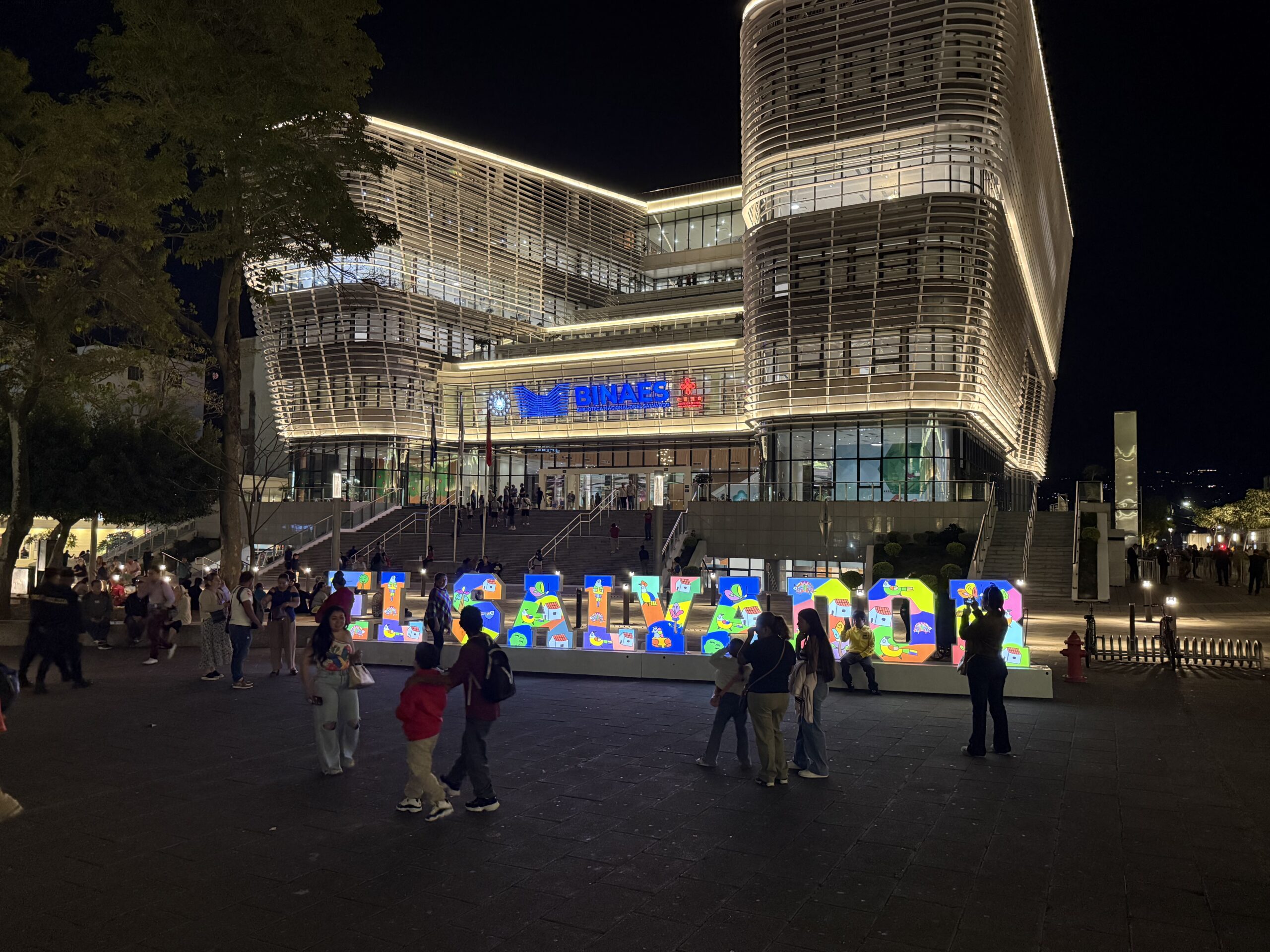
Third, safety has improved noticeably. The government’s focused efforts on reducing gang activity have made a real difference in daily life across much of the country. Many expats and visitors now describe neighborhoods in San Salvador and popular coastal or highland areas as feeling secure during normal daytime and early evening hours. As with any place, common-sense precautions still apply: avoid flashing valuables, use reputable transportation at night, and get to know your local area. The shift has been dramatic enough that more retirees feel comfortable exploring beaches, colonial towns, and hiking spots without the old concerns dominating their thoughts.
4. Retirement Residency Options Are Retiree-Friendly
Fourth, residency options are straightforward for many Americans and Canadians, especially those with retirement income. The Pensionado (retiree) program stands out as particularly retiree-friendly. If you can show a stable monthly pension or guaranteed income around $1,100 or more, you can often qualify for temporary residency that renews annually and eventually leads to permanent status. Family members like a spouse can usually join under the same application. Paperwork involves apostilled documents such as birth certificates, background checks, and proof of income, but the process tends to move more quickly than in some neighboring countries. Many people handle the basics themselves or work with a local attorney for peace of mind.
5. Healthcare Is High-Quality and Much More Affordable
Fifth, healthcare deserves careful planning, but options exist that suit most retirees well. Private clinics and hospitals in major areas like San Salvador offer modern facilities and doctors who often trained abroad, many of whom speak at least some English. Costs for consultations, procedures, and medications frequently run much lower than in the United States. Public facilities serve locals effectively for basic needs but can involve longer waits and less comfort, so most expats rely on private care supplemented by international health insurance. Bringing or purchasing a solid expat policy helps cover gaps and provides evacuation options if ever needed. Dental work and routine check-ups particularly impress many newcomers with their quality and affordability.
6. The Climate Is Warm and Inviting Year-Round
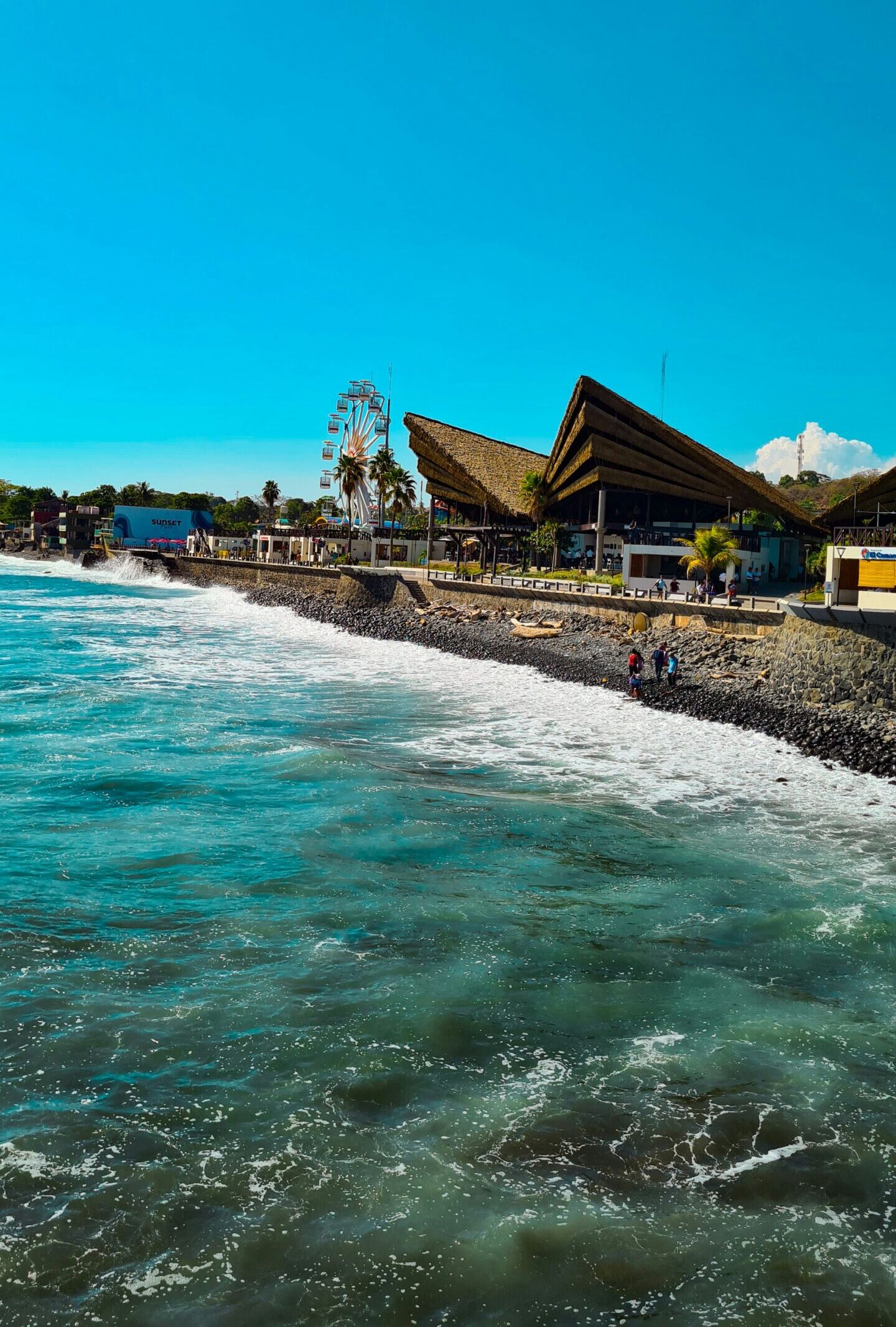
Sixth, the climate delivers exactly what many snow-weary retirees hope for: consistent warmth without extreme humidity in the higher elevations. Coastal areas stay hot and tropical, perfect for beach days and surfing if that appeals to you. Inland spots like Santa Ana or the cooler highlands offer more temperate days and breezy evenings. Rainy season brings refreshing downpours rather than all-day monsoons, and the dry season feels like endless summer. Pack light clothes, good sun protection, and maybe a light jacket for those occasional cooler nights in the mountains. The natural beauty — volcanoes, waterfalls, Pacific coastline, and coffee-growing hills — becomes part of everyday life in a way that keeps things interesting.
7. Learning Basic Spanish Makes Life Much Easier
Seventh, language plays a bigger role than some expect at first. Spanish is the everyday language, and while tourist areas and some expat-friendly spots have English speakers, daily life flows much smoother once you pick up basic conversational skills. Simple greetings, shopping phrases, and directions go a long way toward building connections with neighbors and service providers. Many retirees enjoy the process, taking affordable lessons or practicing at local markets. The warmth of Salvadoran people makes the effort rewarding; locals often respond with genuine appreciation and patience when newcomers try.
8. Infrastructure Is Reliable in Most Retiree-Friendly Areas
Eighth, daily infrastructure works reliably in most places retirees choose to settle. Roads have improved significantly, especially along key routes and the developing Surf City corridor on the coast. Internet speeds in urban and many suburban areas support video calls with family back home without frustration. Utilities like electricity and water run consistently in established neighborhoods, though occasional outages during heavy rains remind you that you have left a highly developed system. Public transportation via buses or rideshares like Uber covers most needs affordably. Having a car offers more freedom for exploring, but many manage well without one by living centrally.
9. The Culture and Social Life Reward an Open Mind
Ninth, culture and social life reward those who embrace a more relaxed rhythm. Salvadorans value family, good food, and friendly conversation. You will hear “buen provecho” at meals and find people quick to chat or offer help. Weekends might involve lively markets, pupusa stands, or quiet afternoons in a hammock. Religious traditions and local festivals add color to the calendar. At the same time, the country offers growing expat communities in places like San Salvador’s nicer districts, beach towns such as El Tunco or La Libertad, and colonial gems like Suchitoto. These pockets make it easier to find English-speaking friends while still immersing in local life. The balance of adventure and comfort feels just right for many who want to stay active without overwhelming hustle.
10. Flexibility and Curiosity Lead to the Best Experience
Tenth, and perhaps most important, approach the move with flexibility and a sense of curiosity. Things may not happen exactly on a rigid U.S. timetable — “Salvadoran time” exists for a reason, and it often leads to more enjoyable, human-paced days. Paperwork can require patience, minor repairs might need creative solutions, and you will discover delightful local customs along the way. Those who thrive here tend to view these as part of the adventure rather than obstacles. Many retirees say the friendships formed, the ease of daily living, and the simple joy of waking up to sunshine and birdsong more than make up for any small adjustments.
El Salvador is not trying to be a carbon copy of life up north. It offers something different: genuine affordability that lets fixed incomes stretch comfortably, lower monthly expenses, natural beauty at your doorstep, and the chance to write a new, warmer chapter. The country’s recent progress in security and tourism infrastructure has made it easier than ever to picture a relaxed retirement here.
Of course, no move is perfect for everyone. Visiting for an extended stay before committing helps you test the waters and see which areas resonate most. Some prefer the energy and services of greater San Salvador, while others fall in love with quieter beach or mountain communities. The key is going in with realistic expectations and an open mind.
If you are seriously considering retiring in El Salvador or simply exploring the possibility, taking time to research neighborhoods, talk with current residents, and understand the practical steps will serve you well. The rewards — lower monthly expenses, natural beauty at your doorstep, and the chance to write a new, warmer chapter — have already convinced many that this small nation deserves a serious look.