Choosing where to live when you are thinking about moving to El Salvador or retiring in a Central American country can feel exciting and a little overwhelming at the same time. One day you picture yourself sipping coffee with a volcano in the distance, the next you are imagining sunset walks along a Pacific beach. El Salvador is small enough that you can drive from the capital to the coast or the highlands in just a couple of hours, yet each region offers its own distinct rhythm. Whether you crave the energy of city life, the laid-back vibe of the waves, or the peaceful charm of mountain towns, there is a corner here that could feel like home.
For many people exploring retirement in El Salvador or simply looking for a lower cost of living abroad, the decision comes down to matching your daily preferences with the right environment. Some retirees want quick access to modern hospitals, international restaurants, and shopping malls. Others dream of waking up to the sound of the ocean or spending weekends exploring coffee plantations and colonial streets lined with flowers. The good news is that you do not have to guess. By understanding the main regions and what everyday life feels like in each, you can picture yourself in the setting that suits you best.
This guide walks you through the key factors to consider and then dives into the three areas that attract the most people who move to El Salvador or retire here. Think of it as a friendly conversation over pupusas, helping you narrow down your options so your relocation feels thoughtful rather than overwhelming. A comfortable life here often starts around two thousand dollars a month for a couple, and that budget stretches differently depending on whether you settle in a bustling neighborhood, a surf town, or a highland village.
What Matters Most When Deciding Where to Live
Before you start comparing specific towns, take a moment to reflect on the kind of life you want. Climate plays a huge role. The coastal areas stay warm and humid year-round, with temperatures often hovering in the high seventies and eighties. San Salvador and its suburbs offer a more temperate feel, while the Ruta de las Flores sits at higher elevations where evenings can actually feel cool enough for a light sweater. If you love the heat and the beach, the coast might call to you. If you prefer milder days and fresh mountain air, the highlands could be ideal.
Lifestyle pace is another big piece of the puzzle. Are you someone who enjoys popping into a café for people-watching and then catching a movie in the evening? Or do you prefer quiet mornings on a terrace followed by a hike or a visit to a local market? Urban areas deliver convenience and variety, while smaller towns reward those who embrace a slower, more community-focused routine.
Amenities matter too, especially for retirees. Proximity to quality healthcare, grocery stores with familiar items, and reliable internet can make daily life smoother. Safety has improved noticeably across the country in recent years, particularly in the neighborhoods and tourist corridors popular with newcomers. Still, every place has its own character, so visiting in person helps you sense the local vibe.
Community is often the hidden factor that seals the deal. Some areas have growing clusters of expats and retirees who share stories over coffee, while others feel more immersed in everyday Salvadoran life. Cost of living varies as well. Neighborhoods in and around the capital generally come with higher expenses because of their modern conveniences and demand. Coastal and highland spots often allow for noticeably more relaxed budgets, especially if you lean into local markets and simpler pleasures.
Transportation and access count for a lot. The international airport sits just outside San Salvador, making it easy to fly in and out. From there, well-maintained roads connect the capital to the coast in under an hour and to the western highlands in about two hours. Many people who retire in El Salvador keep a small car or rely on affordable rideshares and buses for weekend adventures.
With those considerations in mind, let us explore the three main regions that most people focus on when they start planning their move.
Life in the Capital: San Salvador and Its Favorite Neighborhoods
San Salvador buzzes with energy in a way that feels uniquely Central American. It is the heart of the country’s business, healthcare, and cultural scene, yet it never feels overwhelmingly large. For retirees who want city conveniences without the sky-high prices of bigger capitals elsewhere, the western neighborhoods stand out as favorites.
Picture Antiguo Cuscatlán on a typical morning. Tree-lined streets wind past parks where families stroll and neighbors chat at small markets. This area has a peaceful, residential feel that many people describe as the perfect blend of modern comfort and local charm. You can walk to fresh produce stands, cozy restaurants serving traditional dishes, and even a lively central park where the community gathers for events. Nearby La Gran Via offers shopping and dining options that feel familiar to anyone coming from abroad, while the larger Bicentennial Park provides green space for weekend picnics or gentle walks. Retirees often appreciate the family-friendly atmosphere and the sense that daily errands stay manageable on foot or with a short ride. Medical facilities here rank among the best in the country, and the overall setting feels safe and well-organized without losing that authentic Salvadoran warmth.
Just a short drive away, the Zona Rosa and San Benito area delivers a more vibrant, cosmopolitan experience. This is where you find trendy restaurants, lively bars, boutique shops, and the kind of evening energy that makes weekends fun. Boulevard del Hipódromo and Plaza Italia become gathering spots after dark, with everything from international cuisine to live music filling the air. Many expats and professionals choose these streets because they enjoy being in the middle of things. Healthcare options remain excellent, and modern apartment buildings and gated communities give a sense of security and convenience. The cost of living here tends to sit on the higher side for El Salvador because of the upscale amenities and central location, but the trade-off is having malls, embassies, and top-tier services practically at your doorstep.
Other nearby spots like Escalón and Santa Elena share a similar upscale residential appeal. These neighborhoods often feature newer developments, excellent schools, and easy access to everything the capital offers. They suit people who want a suburban feel with city perks, perhaps with a view of the surrounding hills or volcanoes on clear days.
Living in San Salvador means you never run out of things to do. Museums, theaters, and cultural festivals keep the calendar full, while day trips to nearby volcanoes or lakes feel like quick escapes. For anyone retiring in El Salvador who still wants occasional city excitement or easy access to international flights, these western neighborhoods often become the sweet spot. The higher cost of living compared with smaller towns is balanced by the abundance of services that make everyday life simpler and more enjoyable.
The Allure of the Coast: Surf City and Beach Towns
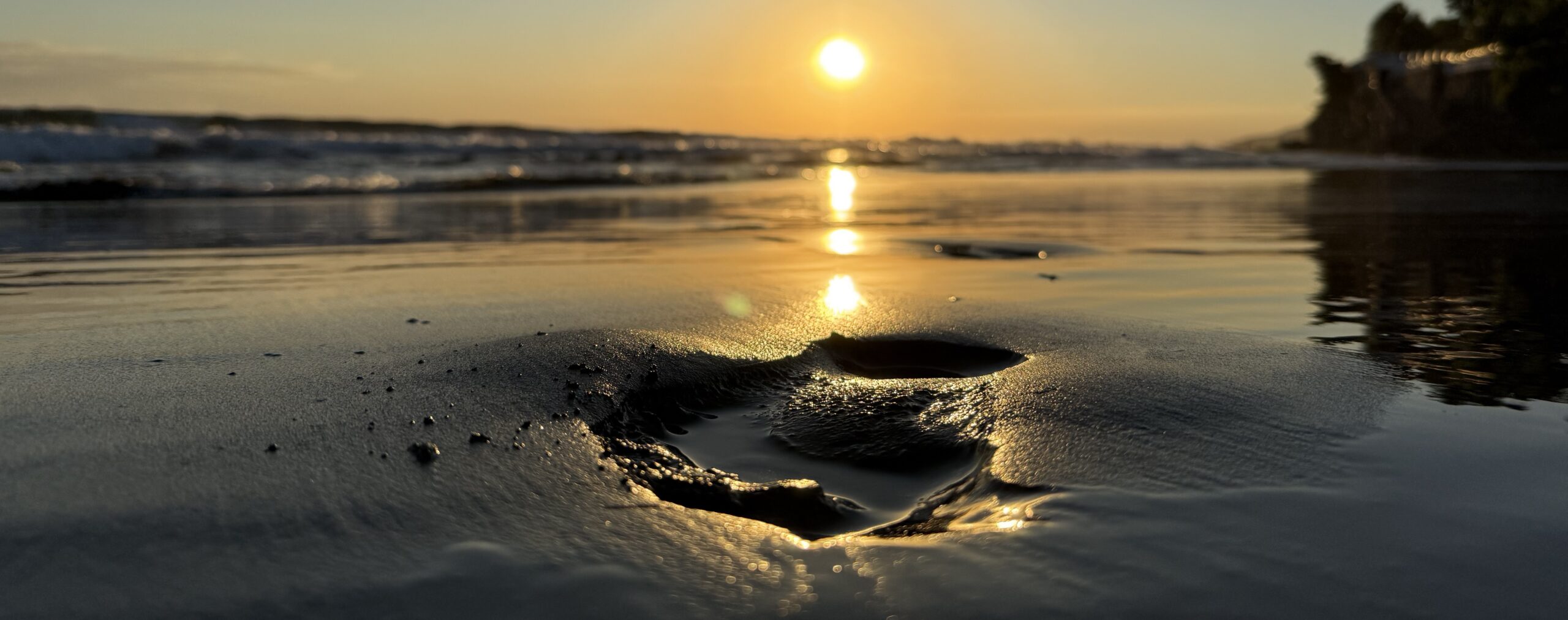
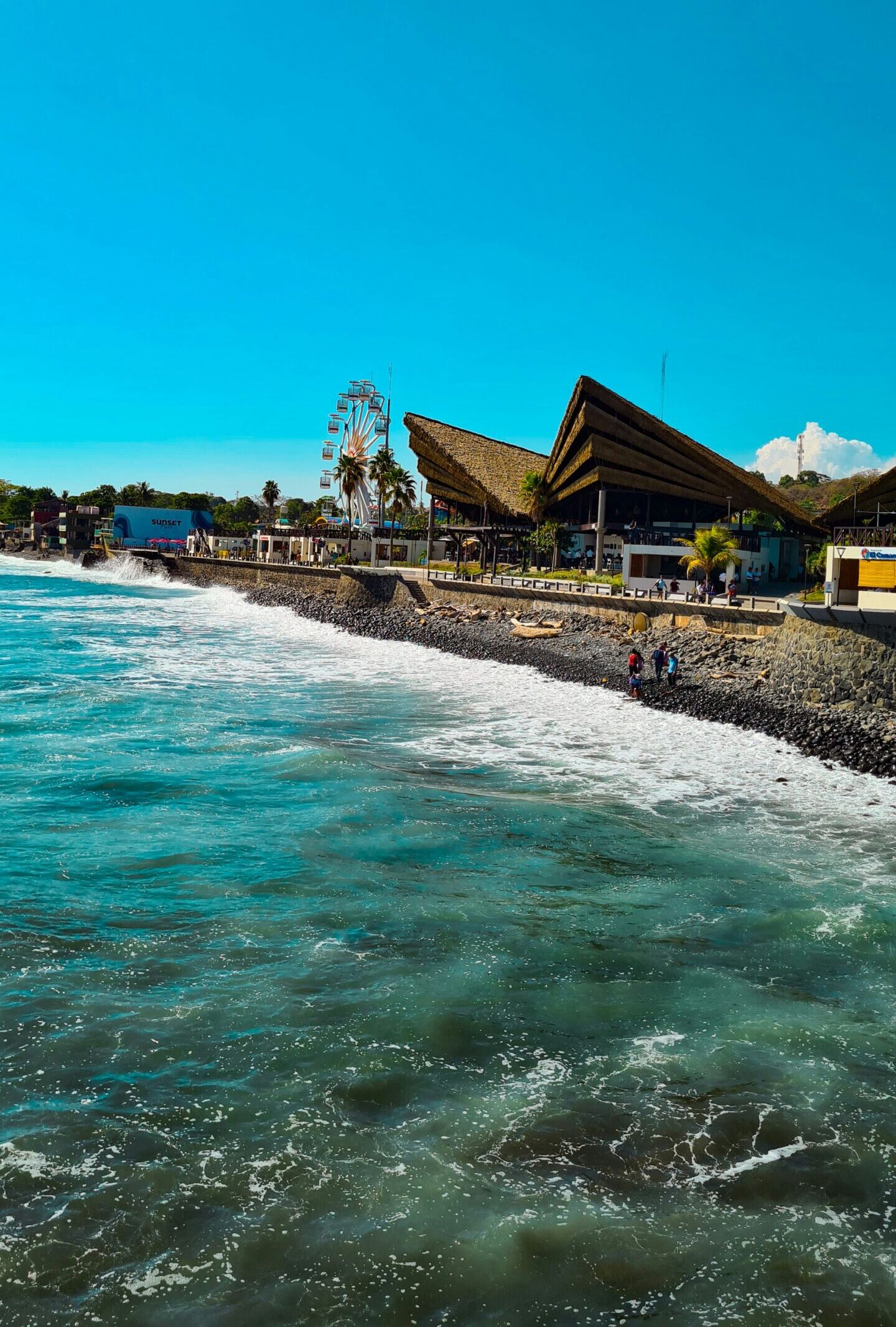
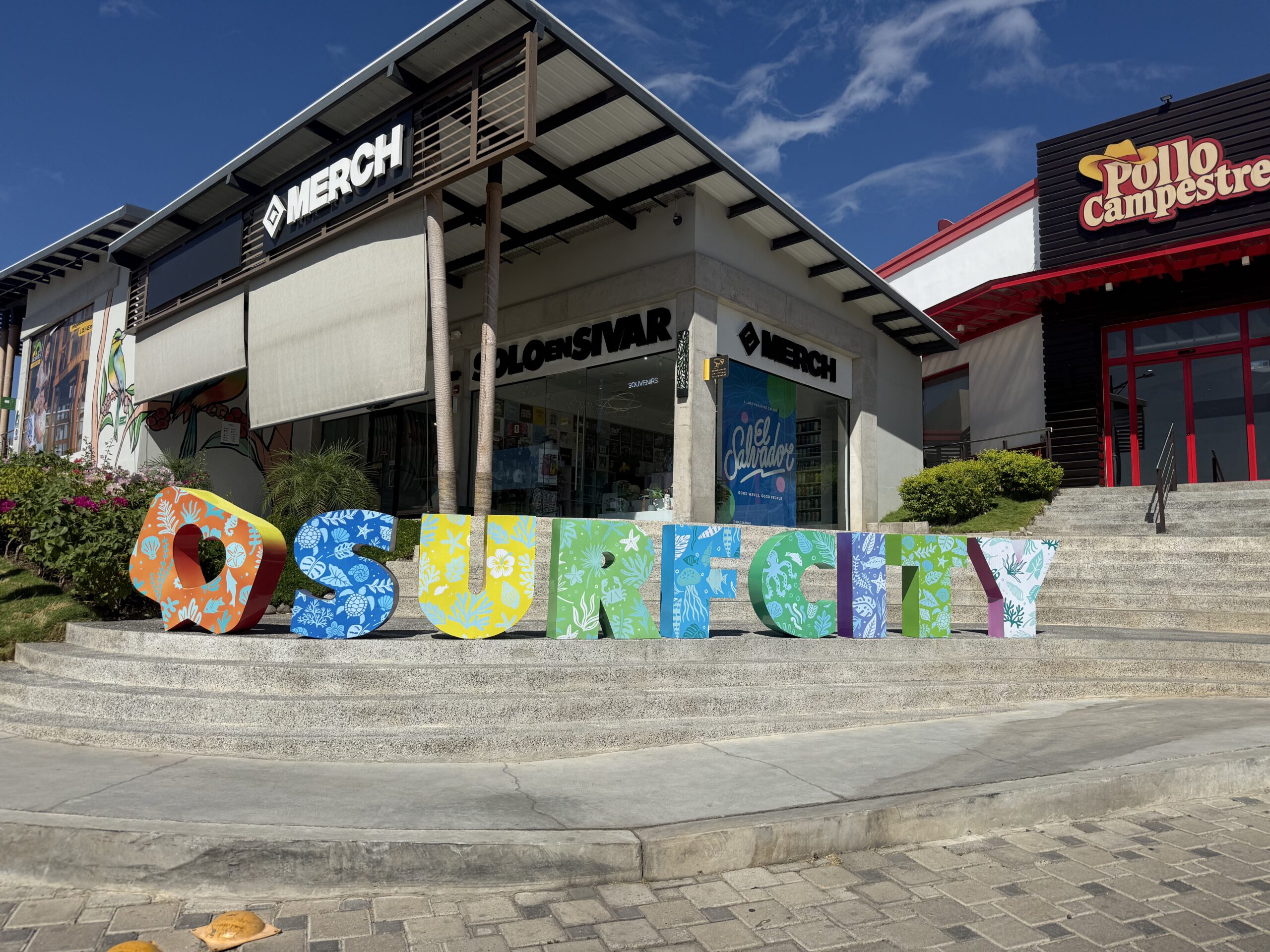
If the sound of waves and the smell of salt air make you smile, the coastal corridor known as Surf City might be exactly what you are looking for. Stretching along the Pacific from La Libertad westward, this region has transformed in recent years into a welcoming destination for surfers, digital nomads, and retirees alike. The drive from San Salvador takes less than an hour, so you can enjoy beach life while still reaching the capital when needed.
El Tunco stands out as the most iconic of the surf towns. Known for its famous wave and bohemian atmosphere, the village has a lively personality that feels young at heart. Colorful hostels and small hotels line the shore, and evenings often bring music drifting from beachside bars. Retirees who settle here tend to love the relaxed daily rhythm: morning coffee overlooking the ocean, afternoon swims or gentle walks along the black-sand beaches, and evenings spent chatting with a friendly mix of locals and visitors. While weekends can get busier with day-trippers, the overall vibe stays laid-back. The cost of living along this stretch generally feels more moderate than in the capital, especially if you embrace fresh seafood from local markets and simpler beachside living.
Nearby La Libertad offers a slightly different coastal flavor. As a working port town, it has a more authentic Salvadoran pulse with a bustling fish market, everyday shops, and a harbor that buzzes with local activity. You will find practical services here, including clinics, banks, and restaurants that cater to both residents and visitors. Many people who retire in this area appreciate the balance between genuine local life and the growing number of amenities aimed at newcomers. Beaches stretch out on either side, and the famous Punta Roca surf break draws enthusiasts without overwhelming daily routines.
Farther along the coast, places like El Zonte and El Sunzal add even more variety. El Zonte has earned a nickname as Bitcoin Beach thanks to its forward-thinking community, but it maintains a chill, welcoming atmosphere that appeals to those seeking a quieter beach lifestyle. The entire Surf City region benefits from improved infrastructure, making it easier than ever to enjoy ocean views, fresh air, and that wonderful sense of freedom that comes with coastal living. Humidity and heat are part of the package, so air-conditioned homes or shaded terraces become important comforts. For anyone dreaming of retiring in Central America with easy access to the sea and a lower cost of living than many other beach destinations, these towns deliver real appeal. You can spend your days surfing, swimming, or simply watching the waves roll in, all while staying connected enough to the capital for anything you might need.
The Peaceful Highlands: Ruta de las Flores
For those who prefer cooler breezes and a slower, more scenic pace, the Ruta de las Flores in the western highlands feels like stepping into a different world. This winding route connects charming colonial towns between Sonsonate and Ahuachapán, famous for its coffee plantations, flower-covered hillsides, and friendly communities. At higher elevations, the climate stays pleasantly mild, with warm days and refreshingly cool nights that many retirees describe as perfect.
Ahuachapán, at the northern end of the route, serves as a gateway with a relaxed small-city feel and easy access to hot springs and mountain hikes. Sonsonate, toward the south, acts as a practical hub with more everyday services while still sitting close to the flower route’s magic. In between lie the real gems: Juayúa, Ataco, Apaneca, and Salcoatitán. Each town has its own personality. Juayúa draws crowds on weekends for its famous food festival, where you can sample everything from grilled meats to handmade sweets in a festive yet welcoming atmosphere. Ataco feels artistic, with colorful murals and artisan shops that invite leisurely browsing. Apaneca sits even higher, offering sweeping views and a fresh, almost European highland climate that feels worlds away from the coastal heat.
Life along the Ruta de las Flores centers on nature and community. You might spend mornings wandering coffee farms, afternoons exploring waterfalls, or evenings enjoying quiet dinners in town squares. The cost of living here tends to be among the most affordable in the country, especially for those who enjoy fresh local produce, handmade goods, and the simple pleasures of small-town life. Retirees often say the slower pace helps them truly unwind, while the natural beauty keeps every day interesting. Hiking trails, flower festivals, and cultural events provide gentle activity without the intensity of city or beach scenes.
The highlands also appeal to people who want to feel immersed in everyday Salvadoran culture. Neighbors greet you on the street, local markets overflow with colorful fruits and vegetables, and the sense of tranquility is genuine. Internet and modern conveniences are readily available in the larger towns, so you are never completely cut off. For anyone retiring in El Salvador who values cooler weather, scenic beauty, and a peaceful daily rhythm with a lower cost of living, the Ruta de las Flores often becomes the perfect match.
Making Your Decision and Testing the Waters
With so many appealing options, how do you finally choose? The best advice is simple: visit in person. Many people who end up retiring in El Salvador start with a scouting trip, spending a week or two in each region. Rent a short-term place in Antiguo Cuscatlán one week, then move to a beach house near El Tunco the next, and finish with a stay in Juayúa or Ataco. Walk the streets, chat with locals and fellow newcomers, and pay attention to how you feel at different times of day. Notice the temperature, the noise levels, the ease of daily tasks, and whether the lifestyle matches what you imagined.
Talk to people who have already made the move. Expats and retirees in these areas are generally friendly and happy to share honest insights about what surprised them and what they love most. Consider your health needs, hobbies, and how often you want to travel back home. Think about whether you prefer having everything within walking distance or enjoying the freedom of open roads and nature nearby.
Remember that El Salvador’s regions are close enough that you can always visit the others for weekend getaways. Many people settle in one spot and then explore the rest at their leisure, whether that means surfing one month and hiking volcanoes the next.
Your Next Chapter Awaits
Deciding where to live in El Salvador ultimately comes down to listening to what feels right for you. The capital’s western neighborhoods offer modern convenience and city energy. The Surf City coastline delivers ocean breezes and a relaxed beach lifestyle. And the Ruta de las Flores provides cool mountain charm and a deeply peaceful daily rhythm. Each area has its own way of making life feel richer, often at a fraction of the cost you might expect back home.
As you research retiring in El Salvador or moving to this welcoming Central American country, keep an open mind and trust your instincts after a visit. The country may be small, but the variety of lifestyles it offers is wonderfully wide. With a bit of exploration, you will find the place that makes every day feel like the one you have been dreaming about. Whether your perfect morning involves a park stroll in Antiguo Cuscatlán, a beach walk in El Tunco, or coffee overlooking the hills of Ataco, El Salvador has a corner ready to welcome you home.