Imagine waking up on a January morning with the sun already warming the air, no frost on the windows, and the distant sound of fireworks marking the start of another year. For many people dreaming of retiring in El Salvador or making the move to this vibrant Central American country, that scene is not a fantasy — it is everyday life. El Salvador offers something rare for those tired of shoveling snow back home: a place where holidays and festivals unfold under consistently warm skies, often just steps from the beach or in the shade of coffee-covered mountains. These celebrations are not just dates on a calendar. They are the heartbeat of Salvadoran life, blending deep religious traditions, national pride, family gatherings, and a laid-back coastal energy that perfectly suits anyone seeking a lower cost of living with rich cultural experiences.
Whether you are drawn to the surfing lifestyle along the Pacific coast, the Bitcoin-friendly economy that makes everyday transactions seamless, or simply the promise of year-round warm weather without harsh winters, El Salvador’s holidays and festivals provide a window into why so many are choosing to retire here. They reveal a country that values community, joy, and resilience — qualities that make daily life feel richer without the high expenses many face elsewhere in Central America or back in the United States and Canada. In the sections ahead, we will explore what these events look like, when they happen, why they matter so much to locals and newcomers alike, and where in the country you can experience them at their best. From solemn processions during Holy Week to lively street parties honoring independence or patron saints, these moments offer a genuine taste of what life feels like when you settle into El Salvador.
The Salvadoran Calendar: A Blend of Faith, History, and Everyday Joy
El Salvador’s holiday schedule reflects its strong Catholic heritage, its history of independence shared with neighboring Central American nations, and the everyday rhythms of family and agriculture. Most national holidays are observed nationwide, with businesses, schools, and government offices closing so people can gather with loved ones. Yet the real magic happens in the local fiestas patronales — town-specific celebrations honoring patron saints — that pop up throughout the year in cities, mountain villages along the Ruta de las Flores, and beach towns in Surf City.
Because the climate stays warm and inviting almost every month, these events rarely get rained out or forced indoors. You can enjoy parades, street food, music, and fireworks under sunny skies or gentle evening breezes, whether you are relaxing by the ocean in La Libertad or sipping coffee in the highlands near Santa Ana. For retirees or those moving to El Salvador, this means holidays become opportunities to connect with neighbors, try affordable local dishes like pupusas or fresh seafood, and soak in the welcoming atmosphere without the stress of cold weather or expensive travel.
A quick look at the fixed national holidays gives a sense of the rhythm:
- January 1: New Year’s Day
- May 1: Labor Day
- May 10: Mother’s Day
- June 17: Father’s Day
- August 6: Feast of the Divine Savior of the World (Fiestas Agostinas in San Salvador)
- September 15: Independence Day
- November 2: All Souls’ Day
- December 25: Christmas Day
Holy Week (Semana Santa) shifts with the Easter calendar each spring, but it remains one of the most significant periods of the year. These dates create natural anchors for social life, and many expats who have chosen to retire in El Salvador say that joining in — even as an observer at first — helps them feel rooted in their new home.
Semana Santa: The Most Reverent and Colorful Week of the Year
When people talk about major holidays in El Salvador, Semana Santa almost always comes up first. Falling in March or April depending on the lunar calendar, this Holy Week stretches from Palm Sunday through Easter Sunday and brings the entire country to a respectful pause. Schools close for the full week, many businesses shut down from Thursday through Sunday, and families across El Salvador focus on reflection, tradition, and togetherness.
What makes Semana Santa stand out is the combination of solemn religious processions and incredibly artistic expressions of faith. In towns like Sonsonate, Izalco, Panchimalco, and Juayua along the Ruta de las Flores, residents spend the early morning hours creating elaborate alfombras — temporary street carpets made from colored sawdust, flowers, fruits, and even salt. These intricate designs depict biblical scenes, nature, or messages of peace, only to be walked over by processions carrying statues of Jesus and the Virgin Mary later that day. The contrast between the painstaking artwork and its ephemeral nature captures something profound about Salvadoran culture: beauty created in the moment, shared with the community.
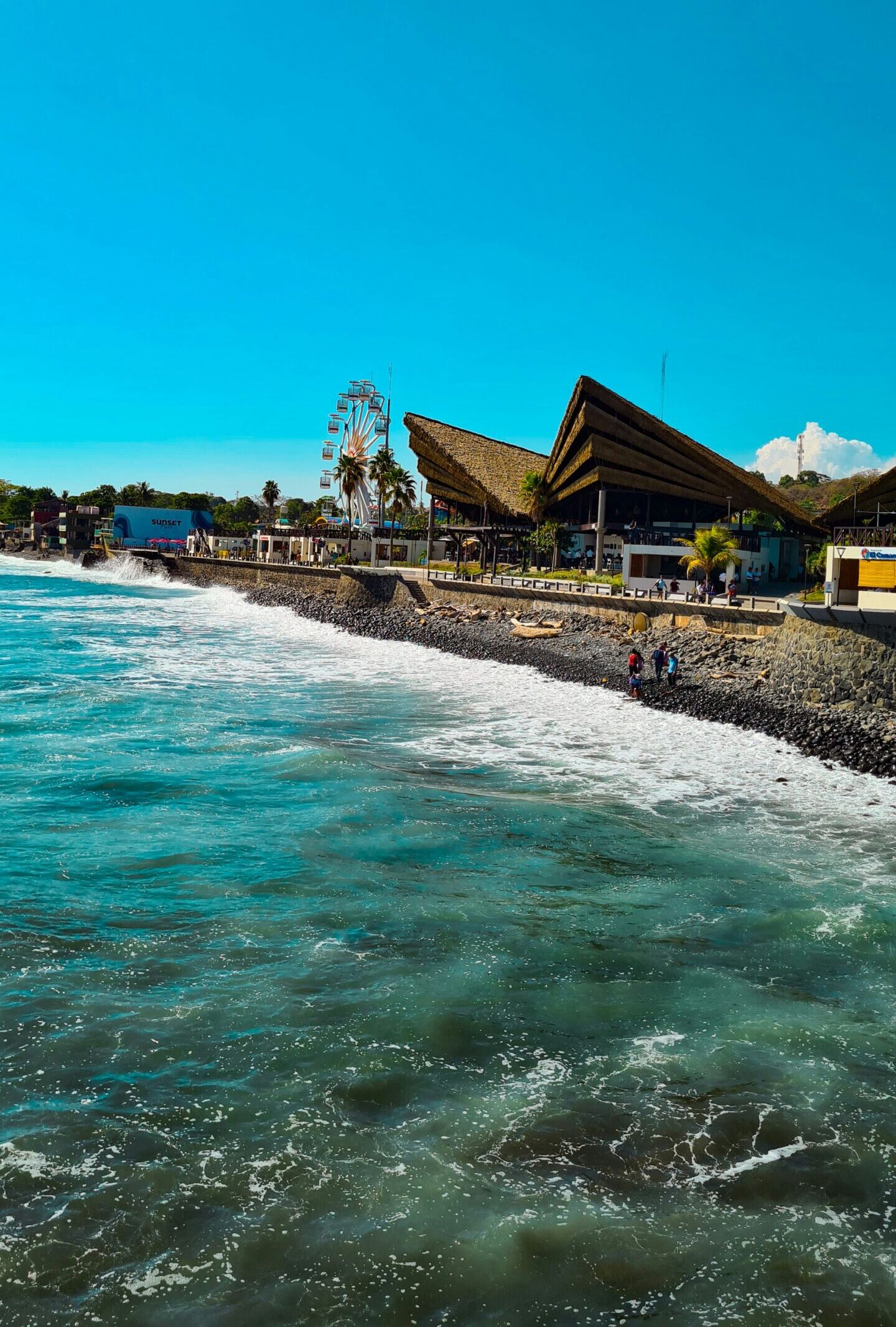
In bigger cities like San Salvador, the processions wind through historic streets near the National Palace and the new National Library, drawing thousands of participants and spectators. Yet many who move to El Salvador for retirement head to the coast during this time. Beaches in Surf City — places like El Tunco, El Zonte, and La Libertad — see an influx of families seeking a more relaxed version of the holiday. Here, the warm Pacific waters and consistent waves provide the perfect backdrop for swimming, watching surfers, or simply enjoying fresh ceviche from beachside vendors. The Bitcoin acceptance everywhere means you can pay for everything from street food to surfboard rentals without worrying about currency exchanges or high fees.
Why does this week resonate so deeply for those considering retirement in a Central American country? It offers a slower pace that many retirees crave — time for family-style meals, evening walks in the pleasant evening air, and a sense of peace that contrasts with busier lives elsewhere. The cost of participating is low: a day at the beach or watching processions costs little more than what you would spend on daily living anyway. And because the weather stays reliably warm, you avoid the cabin fever that can come with winter holidays back home. For surf enthusiasts, Semana Santa often coincides with good wave conditions, making it easy to combine cultural immersion with the beach lifestyle that draws so many to El Salvador’s Pacific shores.
National Celebrations: Independence Day and the Spirit of Unity
September 15 marks Independence Day, when El Salvador and four other Central American nations commemorate their shared break from Spanish rule in 1821. Across the country, the day fills with parades, live music, flag-waving, and fireworks. In San Salvador, the historic center around Plaza Gerardo Barrios comes alive with student bands, traditional dances, and crowds enjoying pupusas and other street foods. Families picnic in parks, and the evening often ends with spectacular fireworks displays visible from many neighborhoods.
Similar energy appears on Labor Day (May 1), when workers and communities gather for speeches, cultural performances, and relaxed barbecues. These national holidays highlight the strong sense of pride and solidarity that defines Salvadoran identity. For people retiring in El Salvador, they provide easy entry points into local life. You do not need to plan elaborate trips — simply stepping out into your neighborhood or driving a short distance to a nearby town lets you join the festivities. The warm weather means outdoor celebrations feel natural and comfortable, whether you are in the cooler highlands or on the sunny coast.
What stands out is how accessible and affordable these events remain. Street vendors sell fresh meals for a fraction of what similar experiences might cost in other retirement destinations, and the Bitcoin payment options now common throughout the country make transactions effortless. Independence Day fireworks over the beach in La Libertad or a parade winding through Santa Ana’s colonial streets offer moments that feel both grand and intimate — the kind of experiences that make daily life in El Salvador feel special without requiring a large budget.
Fiestas Agostinas: San Salvador’s Grand August Celebration
August brings one of the country’s most anticipated events: the Fiestas Agostinas, centered around the Feast of the Divine Savior of the World on August 6. Often stretching from August 3 to 6, these festivities transform San Salvador into a massive open-air party. Parades featuring elaborate floats, concerts, sports tournaments, art exhibitions, and food fairs fill the streets. The religious procession honoring the Divine Savior is the emotional centerpiece, but the surrounding days overflow with carnival rides, live music, and family-friendly activities.
Many who have moved to El Salvador note that this period captures the country’s joyful spirit perfectly. The capital’s revitalized historic center — with its pedestrian-friendly plazas, the National Palace, and modern library — serves as the main stage, yet celebrations spill into surrounding neighborhoods and even reach smaller towns. For retirees seeking warm weather and community connection, August offers a chance to experience urban energy without the intensity of larger international cities. The lower cost of living shines here too: enjoying concerts or street food costs very little, and the mild evenings make it pleasant to stay out late.
Those who love the beach lifestyle often combine a visit to San Salvador with a quick trip to nearby coastal areas, where the same festive mood carries over in more relaxed forms. And because Bitcoin circulates freely, paying for meals or souvenirs during the festivities feels as simple as it does back home in everyday routines.
Local Fiestas Patronales: The Soul of Every Town
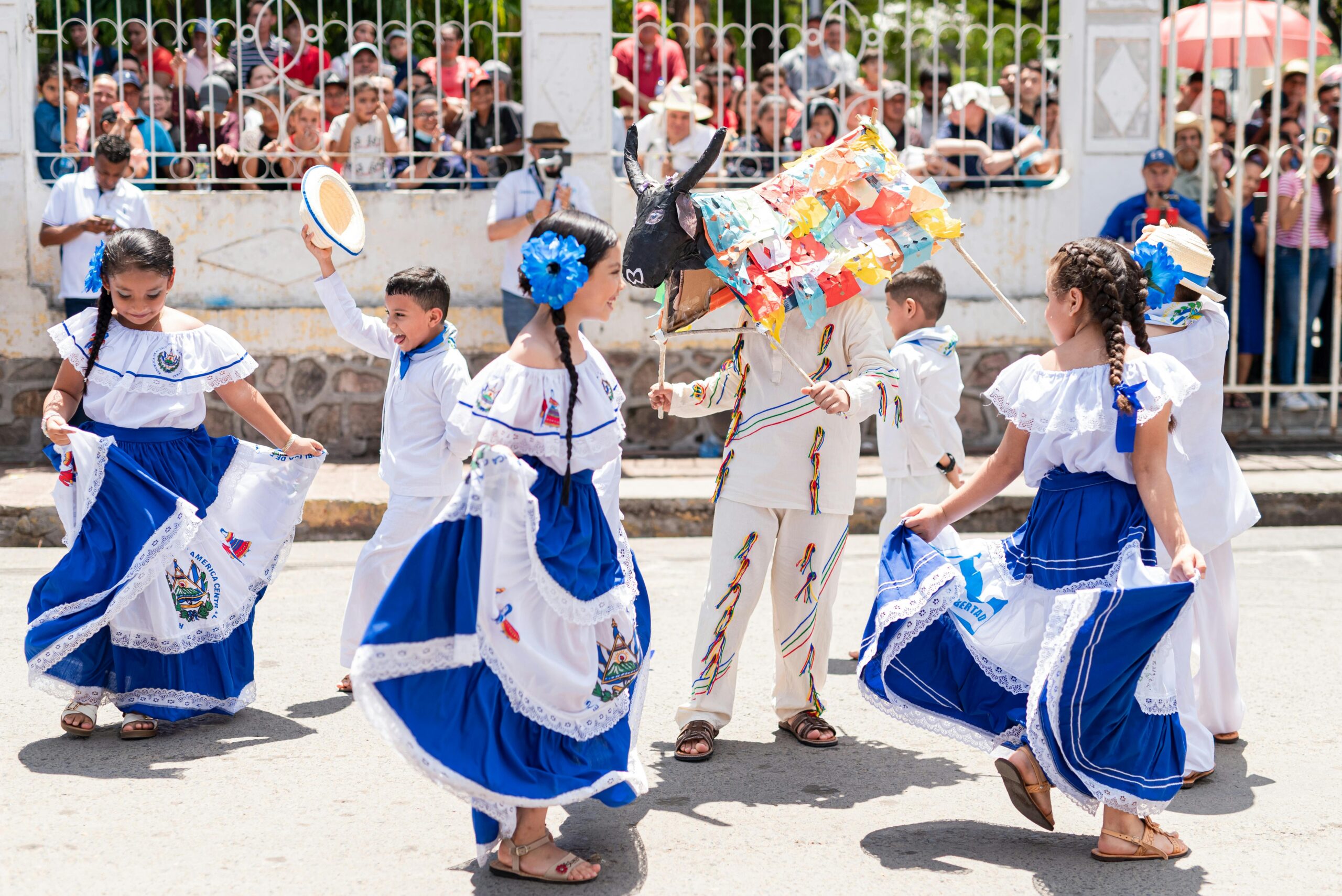
While national holidays draw big crowds, the true flavor of El Salvador emerges in the fiestas patronales that each municipality celebrates in honor of its patron saint. These events vary in scale but share common threads: processions, music, traditional foods, and a strong sense of community belonging.
In San Miguel, the Carnaval de San Miguel — held on the last Saturday of November — stands out as one of the largest. Honoring the Virgen de la Paz, it features parades with colorful floats, beauty pageants, concerts, and street dancing that draw hundreds of thousands. The energy feels electric yet deeply local, with families and visitors filling the streets late into the night.
Further west, in the mountain towns of the Ruta de las Flores, smaller but equally charming festivals celebrate local identity. Juayua’s weekend food festivals (though not tied to a single holiday) blend seamlessly with the area’s cultural calendar, offering visitors a taste of regional dishes amid coffee plantations and waterfalls. Nearby Ataco and Apaneca host coffee harvest celebrations in November, when the air fills with the rich aroma of freshly picked beans and live music.
One of the most unique local traditions is the Bolas de Fuego (Balls of Fire) festival in Nejapa on August 31. Participants from two teams hurl flaming balls of kerosene-soaked rags at each other in a ritual that commemorates both a historic volcanic eruption and a legendary battle between a saint and the devil. It is dramatic, visually striking, and draws crowds who cheer from the sidelines. While not for everyone, it exemplifies the bold, resilient spirit that many admire in Salvadoran culture.
For those retiring in El Salvador or exploring a move here, these local festivals provide some of the most authentic experiences. A short drive from popular retirement areas like Santa Ana or the western beaches can take you to a town square alive with marimba music, handmade crafts, and affordable food stalls. The warm climate ensures these outdoor gatherings feel welcoming rather than weather-dependent, and the lower cost of living means you can participate fully without stretching your budget.
Coastal and Surf Celebrations: Where Beach Life Meets Festivity
El Salvador’s Pacific coastline adds another layer to the country’s festival calendar. While not every holiday centers on the ocean, the warm weather and consistent surf make beach towns natural gathering spots during major periods like Semana Santa and Independence Day. In places like El Tunco and El Zonte — hubs of Surf City — smaller surf and art festivals pop up, especially in the early part of the year. These events blend wave-riding competitions, live music, and beach parties that appeal directly to those who love watching or participating in surfing.
The relaxed vibe here perfectly suits retirees seeking warm weather and an active yet low-key lifestyle. You might spend Independence Day watching fireworks over the ocean or enjoying fresh seafood at a beachside gathering where Bitcoin payments are the norm. The combination of natural beauty, consistent waves, and festive energy creates an environment where every holiday feels like a mini vacation — all at a fraction of the cost of similar coastal destinations elsewhere in Central America.
Modern Celebrations and the Bitcoin Influence
In recent years, El Salvador has added contemporary layers to its festival scene through its pioneering adoption of Bitcoin as legal tender. Events like the Bitcoin Histórico conference in November and the Plan ₿ Forum bring international attention to San Salvador, turning parts of the historic center into vibrant hubs of innovation and culture. These gatherings feature talks, workshops, and community celebrations where Bitcoin flows as naturally as cash or cards.
For those drawn to El Salvador partly because of its forward-thinking approach to digital currency, these events offer a glimpse into the country’s evolving identity. They coexist comfortably alongside traditional holidays, showing how El Salvador blends respect for the past with openness to the future — all while maintaining the warm, welcoming atmosphere that makes retirement here so appealing.
How Holidays Shape Daily Life for Those Who Call El Salvador Home
Beyond the big dates, holidays and festivals in El Salvador weave into the fabric of everyday existence. Mother’s Day and Father’s Day receive heartfelt recognition with family meals and small gifts, often enjoyed outdoors thanks to the pleasant climate. Christmas and New Year’s bring extended family gatherings with traditional foods, music, and fireworks, while All Souls’ Day on November 2 offers a quiet, reflective counterpoint focused on remembering loved ones.
What many who retire in El Salvador appreciate most is how these celebrations reinforce a sense of community without requiring significant expense. The cost of living remains low enough that attending multiple events throughout the year feels sustainable. Street vendors offer pupusas, tamales, and fresh fruit drinks at prices that make every festival accessible. The absence of snow or freezing temperatures means you can plan outdoor activities confidently, whether it is a beach picnic during Holy Week or a mountain town parade in August.
For surf lovers, the coastal festivals add excitement to the already appealing waves. For those prioritizing warm weather year-round, the calendar offers constant opportunities to enjoy the outdoors. And for anyone moving to Central America in search of a lower cost of living paired with rich cultural life, El Salvador’s holidays demonstrate that vibrant experiences do not have to come with high price tags.
Why El Salvador’s Festivals Make It a Standout Retirement Destination
When considering where to retire in Central America or where to start a new chapter with warm weather, beaches, and an affordable lifestyle, the rhythm of holidays and festivals in El Salvador stands out as a major draw. These events are not tourist spectacles staged for visitors — they are living traditions that locals and newcomers share together. They highlight the country’s welcoming spirit, its deep-rooted values of family and faith, and its ability to celebrate life fully even after challenging times.
From the colorful alfombras of Semana Santa to the fiery spectacle in Nejapa, from national parades on Independence Day to the joyful chaos of San Miguel’s carnival, each festival offers a different facet of Salvadoran identity. The warm climate ensures they happen in comfort. The Bitcoin economy makes participation seamless. The lower cost of living means you can immerse yourself without financial strain. And the proximity of mountains, volcanoes, coffee regions, and world-class surfing spots means you can experience variety without long travel.
For those who have already moved to El Salvador or are seriously weighing the decision, diving into these celebrations becomes one of the most rewarding parts of building a life here. They provide natural milestones for marking time, opportunities to form friendships, and daily reminders of why this small country with a big heart has become such a compelling choice for retirement in a Central American paradise.
El Salvador’s holidays and festivals are more than events — they are invitations to live fully in a place where the sun shines warmly, the waves roll consistently, and the community gathers with open arms. Whether you find yourself watching a procession in a mountain town, enjoying fireworks over the Pacific, or simply savoring pupusas at a local fair, these moments capture the essence of what makes retiring or moving here feel like coming home.