El Zonte occupies a compact stretch of Pacific shoreline in El Salvador’s La Libertad department, roughly 26 miles from San Salvador. The small community has earned the nickname Bitcoin Beach because of a grassroots project that began around 2019 and wove digital currency into everyday local transactions. What stands out most to visitors and longer-term residents is how the place maintains a noticeably quieter rhythm than neighboring surf towns while still offering consistent waves, warm tropical conditions year-round, and a distinctive local economy where many businesses continue to accept Bitcoin.
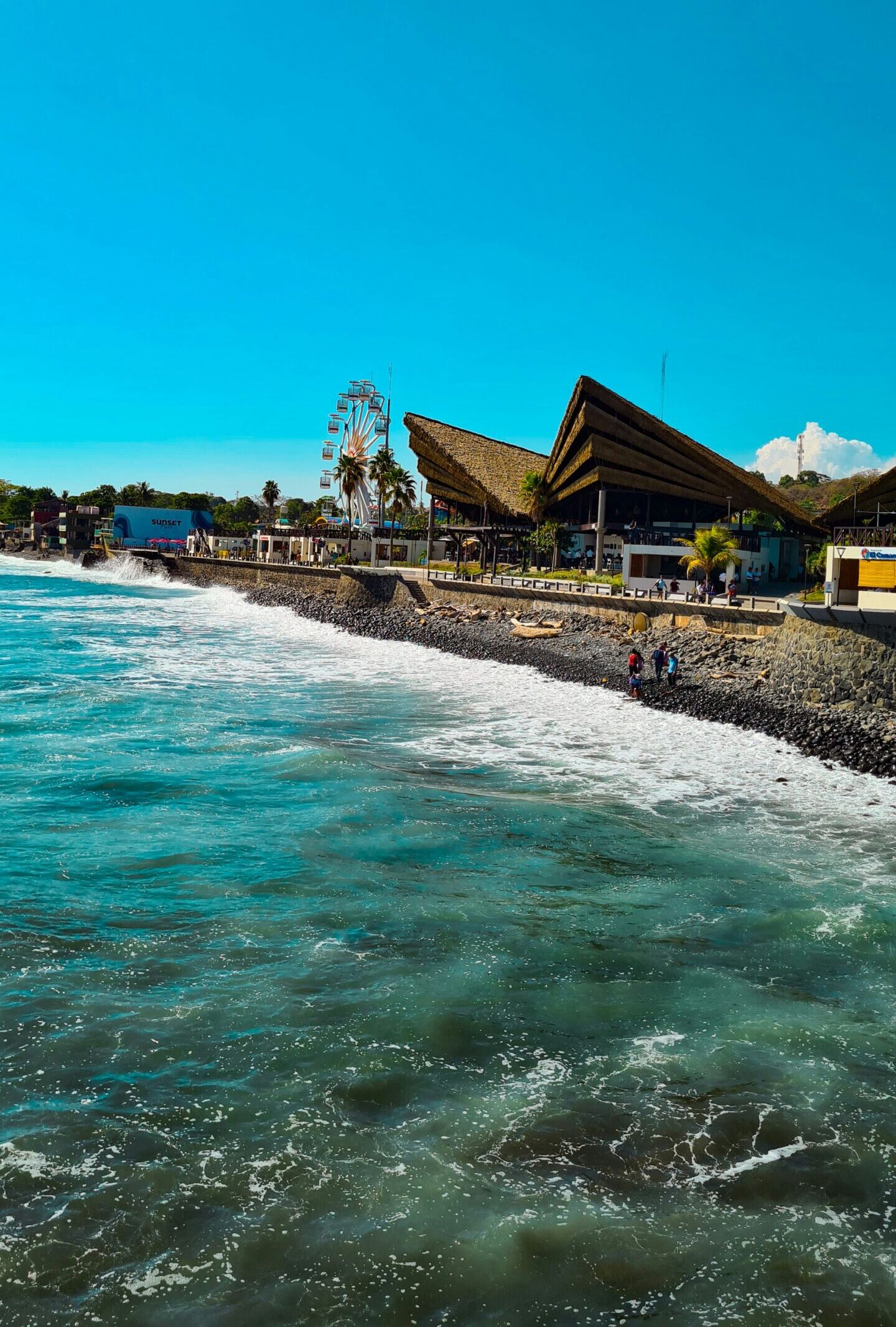
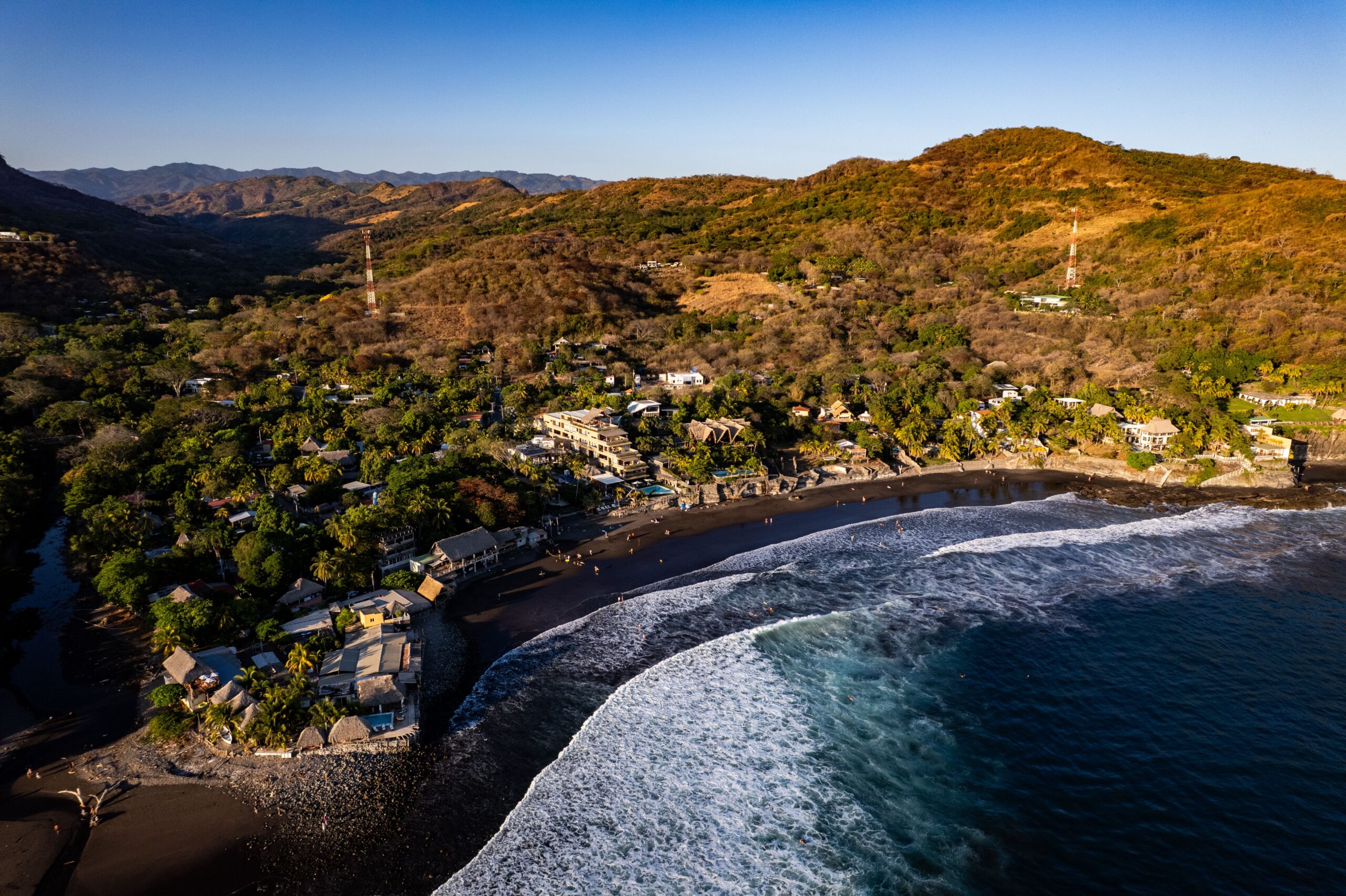
The setting feels intimate rather than developed. Dark volcanic sand lines the shore, divided in places by a small river estuary that creates two distinct beach sections. One side tends toward more surf-oriented conditions with rocks and point breaks; the other offers smoother stretches better suited for walking or gentler water time. Cliffs and rock formations frame parts of the coastline, and the overall scale keeps the atmosphere relaxed even when surfers are in the water. Proximity to El Tunco and other spots along the broader coastal corridor makes day trips straightforward, yet El Zonte itself avoids the heavier foot traffic and commercial density found in some neighboring areas.
Year-Round Warmth Without Winter Interruptions
One of the most consistent attractions for people exploring retirement or relocation options in Central America is the climate. Temperatures in El Zonte typically sit between the mid-70s and low 90s Fahrenheit throughout the year, with ocean water staying comfortably warm, often in the mid- to upper-80s. There is no cold season and certainly no need to think about snow removal or heavy winter gear. This steady tropical environment appeals strongly to anyone seeking to escape colder climates permanently or for extended stretches.
The year divides into a drier period from roughly November through April and a rainier stretch from May into October. During the drier months, mornings often arrive clear and bright, with offshore winds frequently creating glassy surf conditions. Afternoons can warm up quickly, and the black sand absorbs heat, so shade or timing beach time for earlier or later in the day becomes practical. The rainy season brings greener surroundings and occasional afternoon showers that usually pass quickly, leaving the air fresh. Surf quality remains reliable across both periods because the south-facing coast picks up swells consistently, though wind patterns can make some days smoother than others. For someone accustomed to four distinct seasons, the predictability here removes an entire layer of seasonal preparation and maintenance.
This climate pattern supports a lifestyle centered on outdoor time. Mornings often begin with people heading to the water for a surf session or simply watching the sets roll in. Midday might shift toward shaded patios or indoor spots for meals, while evenings bring cooler breezes and sunset views over the Pacific. The absence of temperature extremes means daily routines can stay flexible without weather dictating major adjustments.
The Surf Scene That Defines Daily Rhythms
Surfing sits at the center of El Zonte’s identity. The breaks here include a mix of point and reef setups that deliver sections suitable for a range of experience levels. Long, rideable right-handers appear regularly, with opportunities for both cruising longer lines and finding more critical sections when conditions align. Consistency is a hallmark: the exposure to Pacific swells keeps waves coming through most of the year rather than in short seasonal windows.
For those who surf, a typical day might start early to catch cleaner conditions before any onshore breeze develops. Board rentals and local instruction options exist within the community, allowing people to participate without bringing their own equipment. For others who prefer to watch or enjoy the atmosphere, the lineup provides constant visual interest from shore or nearby vantage points. The scene mixes local surfers with visitors and longer-stay residents, creating a shared appreciation for the waves without an overly competitive edge in most sessions.
This surf focus shapes more than just athletic routines. Cafes and small eateries near the beach often fill with people discussing conditions or planning sessions. The presence of consistent swell encourages a rhythm where time on or near the water becomes a normal part of the week rather than a special occasion. For retirees or others seeking an active yet low-pressure coastal environment, the surf culture offers both participation and spectator enjoyment alongside the simple pleasure of walking the shoreline.
Bitcoin’s Ongoing Role in Local Transactions
The Bitcoin Beach project began as a community-level effort to introduce digital currency in a place where traditional banking access was limited for many residents. An anonymous donation helped seed education and merchant adoption, and the model gained attention that contributed to El Salvador’s later national decision to recognize Bitcoin as legal tender in 2021. That national policy changed in early 2025 following an agreement with the International Monetary Fund; mandatory acceptance by businesses ended, and Bitcoin is no longer required for taxes or certain government functions.
In El Zonte itself, however, the local experiment has continued with noticeable persistence. Many restaurants, cafes, surf shops, hotels, and service providers still display “Bitcoin accepted here” indicators and process payments through Lightning Network options. Some residents and businesses treat accumulated sats as a form of reserve alongside dollars. Tourists and longer-term visitors frequently use Bitcoin for meals, coffee, or smaller purchases, especially during busier periods. At the same time, U.S. dollars remain the most universally reliable medium, and cash continues to function as the everyday standard for many transactions.
This hybrid reality creates a distinctive texture to daily exchanges. Someone living here might pay for a morning coffee or a meal with Bitcoin at one establishment, then use cash at the next. The option adds flexibility for people already comfortable with digital wallets or international transfers, reducing certain currency conversion steps. It also reflects the community’s history of adapting new tools to local needs rather than replacing existing systems entirely. For anyone exploring places where technology intersects with traditional coastal living, El Zonte offers a working example of voluntary, ongoing adoption rather than a fully cashless or fully crypto-dominated environment.
What a Typical Day Feels Like
Daily life in El Zonte tends to follow the light and the tides more than a rigid clock. Early hours often belong to surfers checking the lineup or locals opening small food spots serving typical Salvadoran breakfasts of beans, eggs, tortillas, and cheese. Coffee stands and cafes with ocean views open soon after, some accepting Bitcoin alongside cash. The pace stays unhurried; conversations happen easily between people who recognize one another from previous days or sessions.
Mid-morning through early afternoon centers on the beach or shaded areas nearby. Some residents and visitors spend time in the water, others walk the sand or explore the rock formations and smaller coves accessible at lower tides. Lunch might come from a family-run spot offering fresh seafood or pupusas, with prices that generally align with broader Central American coastal norms rather than inflated tourist rates. The black sand can become quite hot under direct sun, so practical routines include timing outdoor stretches or bringing simple shade solutions.
Afternoons often slow further. Some people return to lodging for rest or remote work, while others take short trips to nearby waterfalls or other coastal points. As evening approaches, the light softens and temperatures become more comfortable for outdoor dining. Sunset gatherings happen naturally along the shore or at spots with west-facing views. Dinner might feature grilled fish, local vegetables, or international-influenced dishes at one of the small restaurants that have grown alongside the surf and visitor traffic. Evenings tend to wind down early compared with larger cities or more nightlife-focused beach towns; the quiet supports restful nights.
This pattern suits people who value predictability and outdoor access without constant stimulation. The scale of the community means many places are within walking distance or a very short ride, reducing the need for extensive daily travel. Fresh ingredients appear regularly through local sources, supporting straightforward meals that emphasize seafood and produce over imported complexity.
Community Character and Pace
El Zonte blends long-time local families with a steady flow of surfers, digital-currency enthusiasts, and people drawn by the combination of waves and relative tranquility. The atmosphere feels welcoming rather than insular. Small businesses often operate as family enterprises, and interactions between residents and visitors tend toward friendly and practical. The Bitcoin project itself included efforts to expand local skills and opportunities, contributing to a sense that the community has adapted to new economic currents while retaining its core identity.
The quieter character distinguishes El Zonte from busier surf destinations along the same coast. Crowds remain lighter, and the commercial footprint stays modest. This appeals to individuals or couples seeking a coastal base that offers genuine beach access and surf exposure without the density or noise levels of more developed resort-style areas. For retirees evaluating options across Central America, the combination of consistent warmth, manageable daily rhythms, and a community that has already incorporated international influences in measured ways creates a distinctive middle ground.
Property and living costs have risen in parts of El Zonte over the past decade as visibility grew, yet the overall expense profile for a beach-oriented lifestyle still compares favorably with many equivalent settings in North America or Europe. Local food and services remain accessible, and the absence of heating or heavy winter infrastructure costs factors into the broader affordability picture for those coming from colder regions. The town’s position within El Salvador’s Pacific corridor also provides reasonable access to additional amenities in San Salvador when needed, while preserving distance from urban intensity.
Seasonal Shifts and Longer-Term Considerations
The transition between drier and wetter months affects both practical routines and atmosphere. Drier months generally bring more reliable beach conditions and higher visitor numbers, which can mean slightly busier cafes and more consistent surf reports. Rainier months transform the surrounding landscape into deeper greens and often reduce crowds, creating a more local feel. Surf remains viable, though wind direction can introduce more variability in wave quality. Many people who spend extended time here adapt by adjusting outdoor plans around typical afternoon showers rather than canceling activities.
For someone weighing a move to a warm-weather beach community in Central America, these seasonal nuances matter less as obstacles and more as variations within an overall stable tropical framework. The lack of temperature swings eliminates the need for major wardrobe or activity changes across months. The surf consistency provides a reliable thread through the year, and the local acceptance of Bitcoin at numerous establishments offers ongoing optionality for those already using digital currency.
El Zonte does not present itself as a polished resort or a fully transformed crypto enclave. It remains a working surf community that has layered an innovative economic experiment onto existing coastal traditions. That authenticity shows up in the mix of family-run eateries, practical surf infrastructure, and the continued presence of Bitcoin signage alongside everyday dollar transactions. The result is a place where daily life revolves around the ocean, the weather patterns, and a community that has demonstrated adaptability without losing its smaller-scale character.
People drawn to this corner of El Salvador’s coast often cite the reliable warmth, the surf access, the lower overall living costs relative to many beach destinations elsewhere, and the particular texture created by Bitcoin’s local role. Whether the interest centers on active surfing, quiet beach time, or simply a setting where modern tools coexist with traditional coastal rhythms, El Zonte offers a concrete example of what that combination can look like in practice. The waves keep rolling in, the sand stays warm underfoot, and the community continues its measured evolution along this stretch of Pacific shoreline.