Remote work has fundamentally changed how many professionals approach both their careers and their living situations. In 2026, El Salvador stands out as one of the most interesting destinations in Central America for people who want to keep earning income online while enjoying warm weather, easy access to the Pacific Ocean, and a financial system that treats Bitcoin as everyday currency. The launch of a digital nomad visa the previous year has made longer stays more straightforward, giving remote workers the breathing room to truly settle in rather than constantly managing short tourist entries. What makes the country compelling is not any single feature but the way several strong advantages come together in one place.
Bitcoin has been legal tender since 2021, and in many coastal and tourist areas it functions as a normal payment option alongside the U.S. dollar. The Pacific coastline delivers consistent waves and a developing surf infrastructure that continues to improve. Year-round tropical warmth means no winter coats, no snow removal, and no dark months that drag on productivity or mood. Everyday costs for housing, food, and services are generally much lower than in most North American or European cities, allowing remote income to stretch further. For professionals whose work is not tied to a physical office, these conditions create a setting where focused work hours can coexist with surfing sessions, mountain exploration, or simply stepping outside into sunshine every single day.
The coastal rhythm in El Tunco and the Surf City corridor
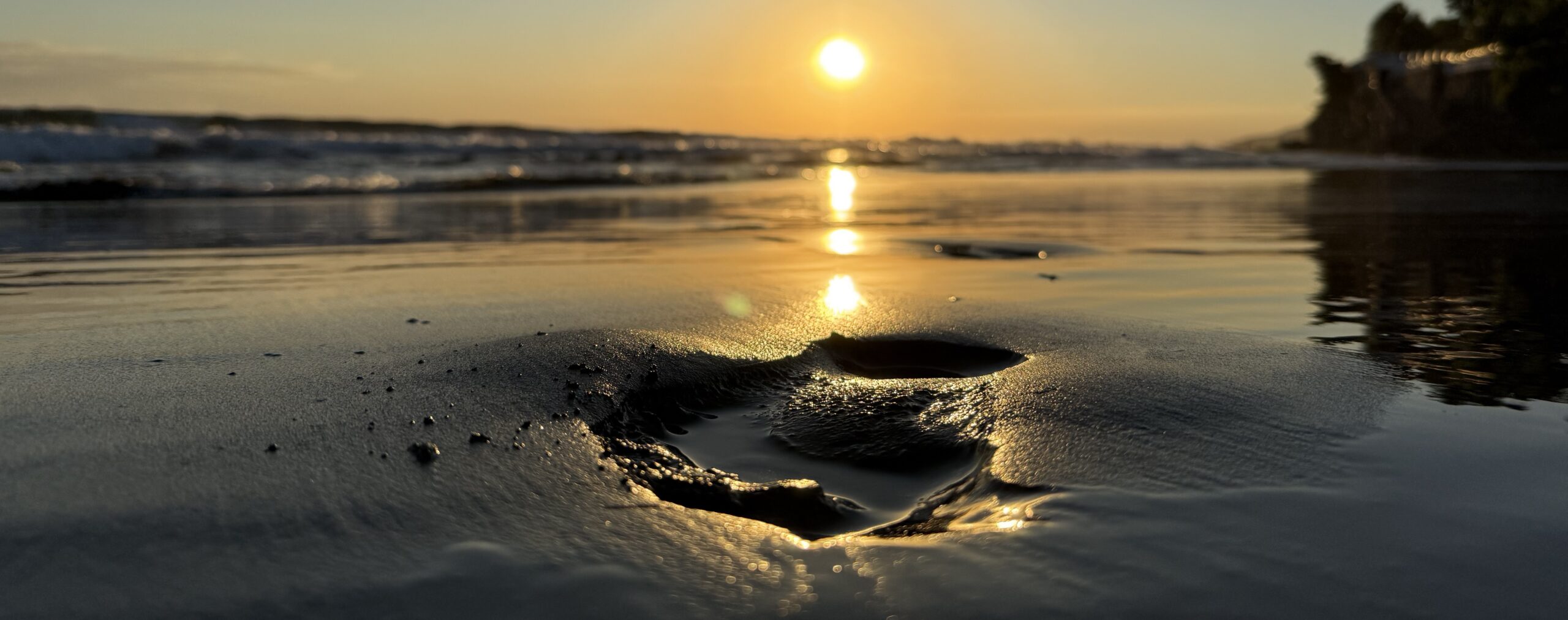
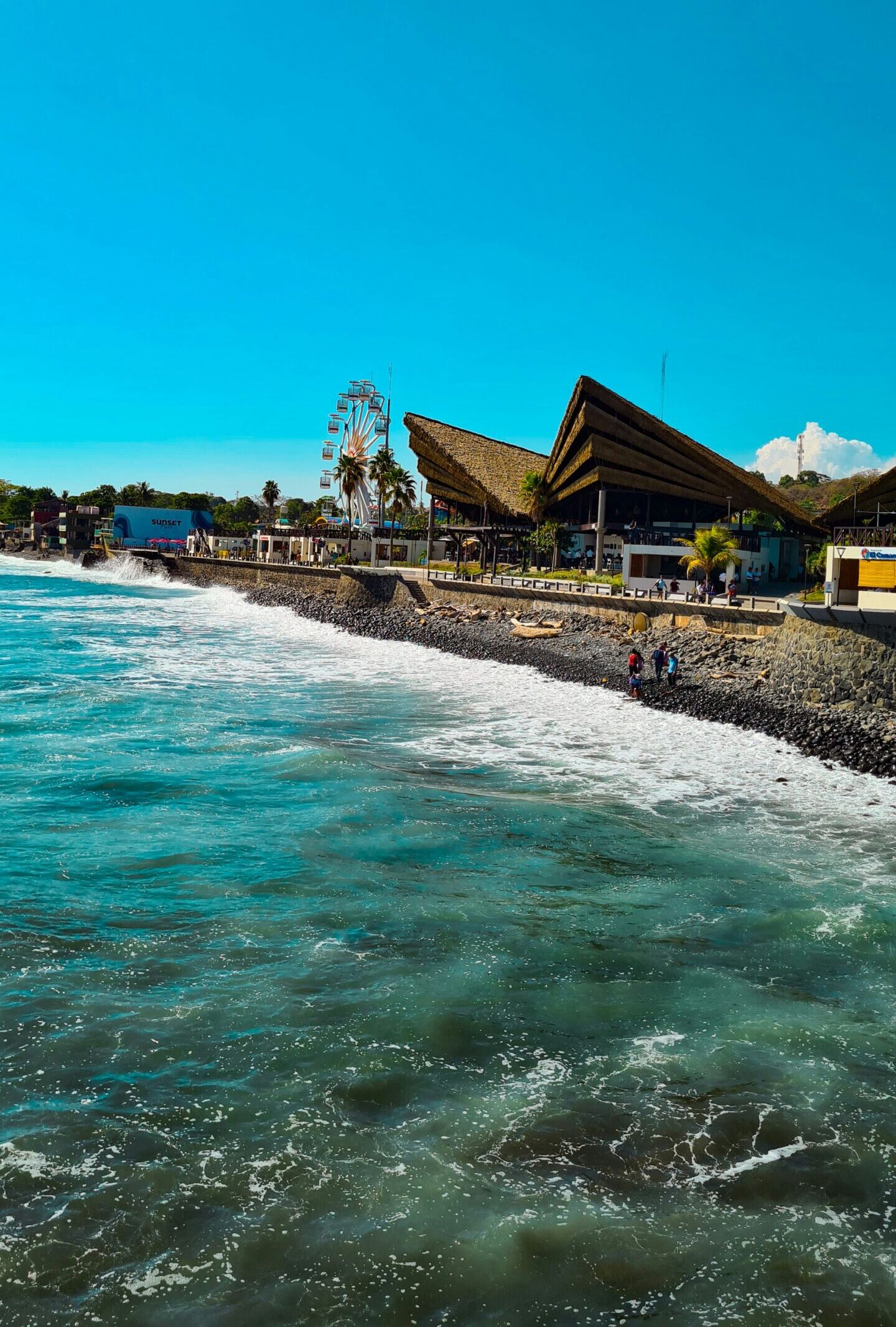
The stretch of Pacific coast that includes El Tunco, El Zonte, and the wider La Libertad area has become the clearest hub for remote workers who also love surfing. El Tunco sits on a black-sand beach with several well-known surf breaks right in front of town. Many people who base themselves here start the day with an early session, then return to a rental or café to open their laptop with the sound of waves still in the background. The schedule feels natural rather than forced because the ocean is literally steps away.
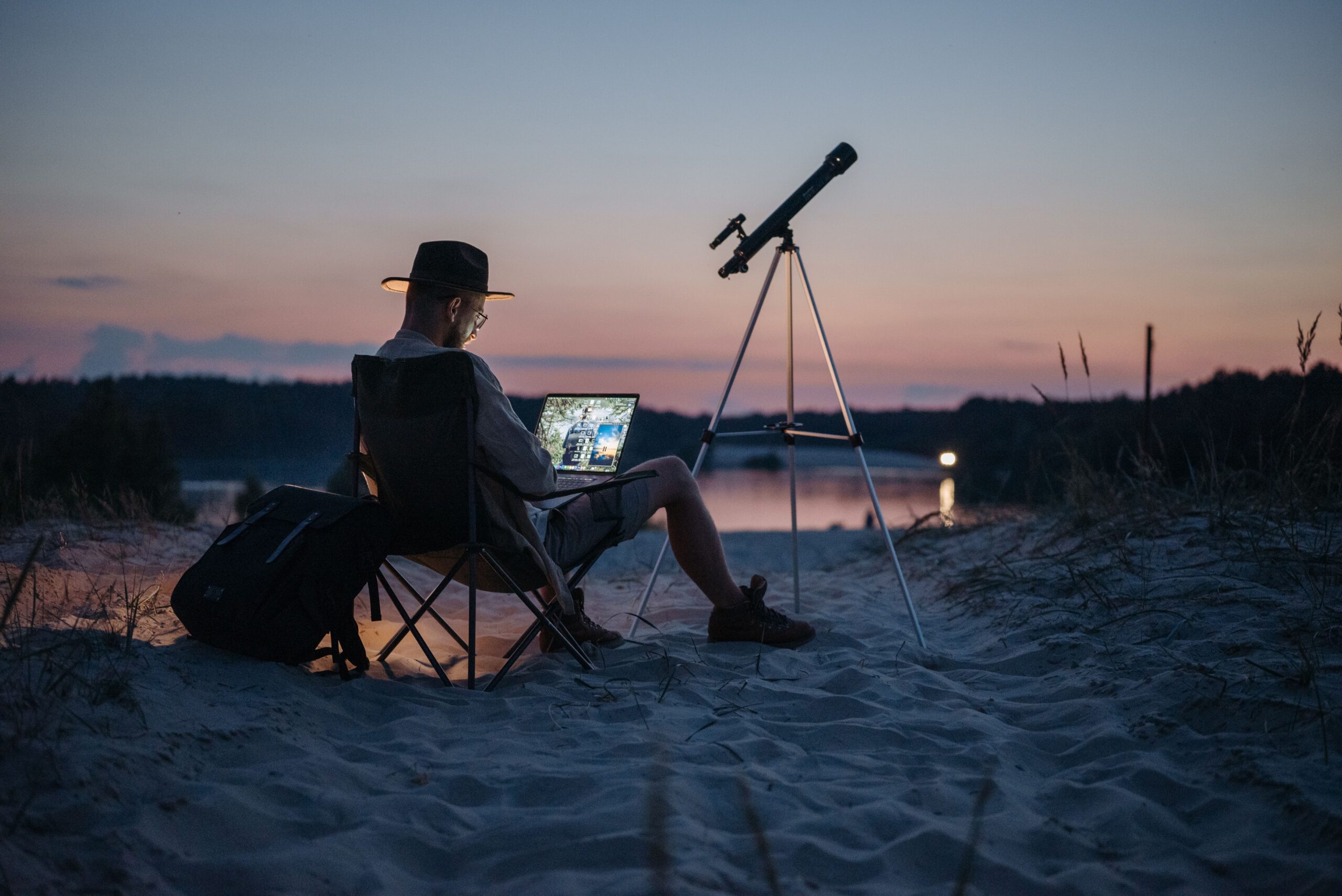
Internet in the main surf towns is generally reliable enough for video calls, file uploads, and cloud work, though speeds can vary by provider and exact location. Several cafés and lodges have created dedicated corners or outdoor tables where laptops are common and expected. True coworking spaces exist but remain small in scale. Most digital nomads simply choose accommodations with strong Wi-Fi and rotate between a couple of favorite spots when they want a change of scenery. The flexibility suits people who prefer working from a balcony overlooking the water or from a shaded table at a beachfront café.
The atmosphere blends international visitors with local residents in a relaxed way. Restaurants serve fresh seafood, pupusas, grilled fish, and tropical fruit at prices that feel generous compared with beach destinations in other countries. In El Zonte, often referred to as Bitcoin Beach, a noticeable number of businesses accept cryptocurrency directly. Surf schools, small markets, cafés, and guesthouses have integrated it, so some remote workers handle part of their daily spending without converting currency every time. This practical use of Bitcoin adds a distinctive modern layer that appeals especially to people already comfortable with digital assets or crypto-related work.
Surf City development has brought better roads, clearer signage, and some new amenities along this corridor without turning it into a generic resort zone. The area still feels like a genuine surf town rather than an overbuilt tourist strip. For someone who wants the classic combination of productive mornings and afternoon or evening surf sessions, the lifestyle here is straightforward and repeatable. Housing options range from simple studios to larger villas with pools, giving people choices depending on whether they want minimal setup or more space for longer stays. The social scene is lively enough that solo workers or couples can meet other location-independent people without effort, yet it never feels overwhelming.
Cooler elevations and focused days along the Ruta de las Flores
Not every remote worker wants the full beach-and-surf energy every single day. The towns along the Ruta de las Flores, west of San Salvador, offer a noticeably different pace and climate. Ataco, Juayúa, and Apaneca sit at higher elevations where temperatures run cooler and more comfortable for long work sessions. Daytime highs often stay in the low to mid-70s Fahrenheit, with cooler nights that can feel almost crisp. This makes the area attractive for people who prefer working in a light sweater rather than under constant air conditioning or ceiling fans.
The landscape here is green, hilly, and dotted with coffee farms. Many rentals and guesthouses provide quiet terraces, covered patios, or garden spaces that work well for focused laptop time. Internet is generally stable in the main towns, and the smaller scale of daily life tends to reduce distractions. After work, the same roads that connect the towns lead to weekend food festivals in Juayúa, artisan shops and colorful streets in Ataco, or scenic viewpoints and hiking trails around Apaneca. The contrast with the hot, humid coast is only a short drive away, so many nomads split their time between the two zones depending on the season or their current workload.
Ataco carries an artistic, creative energy with painted buildings and a growing number of small galleries and cafés. Juayúa feels more local and lively, especially on weekends when the famous food fair draws both residents and visitors for grilled meats, fresh pupusas, and local specialties. Apaneca sits higher still and offers a quieter, more nature-oriented feel with easy access to coffee plantations and trails. For professionals who value calm mornings for deep work and then want the option of a short hike or farm visit in the afternoon, these towns provide an excellent balance. The elevation also means the landscape stays lush and green even during drier months, creating a pleasant backdrop for extended stays.
San Salvador for infrastructure and city convenience
When reliable high-speed connections, modern coworking facilities, or easy access to services matter most, many remote workers use San Salvador as their base. The capital offers more consistent infrastructure than smaller towns, including established coworking spaces and a wider selection of restaurants, supermarkets, and practical amenities. It functions as a convenient hub for arrivals, departures, and any days when stronger connectivity or in-person meetings are needed.
Some people keep a longer-term apartment in or near the capital and use it as a home base while taking regular shorter trips to the coast or the western mountains. Others prefer the capital only for specific periods when they need maximum reliability, then head back to a beach or mountain rental for the rest of their time. The ability to move between these different environments within a relatively compact country is one of the practical advantages for digital nomads who want variety without long flights or complicated logistics. Weekend escapes to the ocean or the Ruta de las Flores are straightforward, so the city never feels like a permanent trap.
Seasons and the rhythm of remote work
Temperatures across El Salvador do not swing dramatically with the calendar the way they do in temperate climates. The biggest differences come from elevation and from the shift between dry and rainy seasons. The dry season, roughly November through April, brings more consistent sunshine along the coast and ideal conditions for after-work surfing or beach time. Ocean temperatures stay warm enough for extended sessions without needing thick wetsuits for most people.
The rainy season, May through October, turns the countryside lush and vibrant. Afternoon showers are common, which can actually create a pleasant indoor window during the warmest part of the day. In the mountains the rain keeps temperatures comfortable and enhances the green scenery. Internet and power infrastructure in the main nomad areas generally handles the season without major issues, though occasional brief outages can happen anywhere. Many people simply plan their heaviest calls for the morning and use rainy afternoons for focused offline tasks or lighter creative work.
Because there is never a true winter, the question of when to be in El Salvador often comes down to personal preference for sun versus greenery rather than avoiding cold weather. The digital nomad visa framework supports staying long enough to experience a full cycle of seasons and decide what rhythm suits both work and lifestyle. For people coming from places with harsh winters, the simple fact of consistent warmth and outdoor access every month becomes one of the most appreciated aspects of life here.
Bitcoin as part of everyday life
One of the most distinctive elements of living in El Salvador as a remote worker is the country’s relationship with Bitcoin. Since it became legal tender, many businesses, especially in tourist and surf areas, have the technical ability to accept it. In practice this means some cafés, surf shops, small hotels, and markets in places like El Zonte can process payments directly in cryptocurrency. For nomads who already hold or work with digital assets, this reduces friction around currency conversion for everyday expenses.
Even outside the most crypto-forward pockets, the presence of Bitcoin ATMs and general familiarity with digital payments creates an environment that feels forward-leaning. It pairs naturally with location-independent careers in tech, finance, or online business. At the same time, the U.S. dollar remains the dominant currency for most transactions, so there is never pressure to use Bitcoin if it does not fit personal preferences. The overall effect is a quiet sense that the country is experimenting with modern financial tools in real time, which many remote workers find intellectually stimulating as well as practically convenient.
A lifestyle that bridges work and longer-term plans
Many people who arrive under the digital nomad visa framework are not necessarily planning to stop working entirely. They are often in a phase where they want to test what life feels like in a warm, lower-cost environment with ocean access while they continue earning. The visa option gives them space to do that without repeated short-stay limitations. Over time, some transition toward other residency categories or simply extend their stay because the combination of climate, cost, and community works well for them.
For professionals whose remote income or eventual pension would stretch further here than in higher-cost countries, the appeal is both practical and lifestyle-driven. Housing in popular areas can be found at a wide range of price points. Meals at local spots remain affordable. The absence of cold weather removes an entire category of seasonal expenses and daily hassles. Surfing, hiking, walking along the coast, or exploring mountain trails becomes part of an ordinary week rather than something that requires a vacation. The active outdoor lifestyle supports physical health, and the social scene in the main hubs makes it easy to build connections with both expats and locals.
The country has also seen measurable improvements in safety in recent years, particularly in the areas most visited by remote workers and longer-term visitors. This makes day-to-day exploration and evening outings feel more relaxed for many people. Tourism growth and infrastructure development under initiatives like Surf City continue to make the experience more comfortable without erasing the authentic character that originally drew visitors.
Finding the right fit in 2026
El Salvador in 2026 offers remote workers a genuine choice of environments within one small country. The surf-focused energy of El Tunco and the surrounding coast suits those who want waves and an international social scene after work. The cooler, greener towns of the Ruta de las Flores appeal to people who prefer quieter days and nature access. San Salvador provides the infrastructure backbone when needed. The digital nomad visa framework supports staying long enough to try these different settings and settle into whichever combination feels right over time.
What stands out most is how the pieces connect: warm weather that never requires shoveling snow, beaches with consistent surf, a financial system that has embraced Bitcoin in daily commerce, and living costs that generally allow remote income to go further. For professionals who value both productive workdays and the freedom to step outside into sunshine or head to a surf break without planning a trip, the lifestyle delivers a distinctive Central American experience. Many who spend extended time here describe the same core satisfaction: the ability to close the laptop after a solid day of work and walk to the ocean or into the hills without needing a plane ticket. In 2026 that combination remains one of El Salvador’s strongest draws for anyone building a location-independent life in a warm, beach-oriented setting with modern financial tools and year-round outdoor access.