Picture this. It is a Tuesday morning in early 2026. You step outside your home with a cup of coffee in hand, and the air already feels pleasantly warm against your skin. No jacket required. No scraping ice off a windshield. No worrying about whether the roads will be plowed. Instead, the sun is shining, birds are calling from the trees, and the day stretches ahead with the promise of a relaxed pace you have not felt in years. For many Americans who have chosen living in El Salvador as an American, this is not a vacation fantasy. It is simply Tuesday.
In 2026, El Salvador continues to draw Americans seeking a fresh chapter, especially those dreaming of retiring in El Salvador or making the move to El Salvador for a lower cost of living, consistent warm weather, and the freedom of never having to shovel snow again. The country has transformed in ways that feel almost unbelievable to those who remember older headlines. Safety has improved dramatically, the economy embraces both the U.S. dollar and Bitcoin in El Salvador, and daily life offers a compelling mix of modern conveniences and authentic Central American charm. Whether you crave the energy of city life, the laid-back beach lifestyle along the Pacific, or the cooler mountain air of the interior, El Salvador delivers options that suit a wide range of lifestyles.
This article explores exactly what living in El Salvador feels like for Americans in 2026. We will look at the what of everyday routines and experiences, the when of seasons and rhythms, the why that makes so many choose this path, and the where across different regions of the country. No hype, no sales pitch, just an honest, grounded picture drawn from real expat realities.
The Daily Rhythm: What Everyday Life Feels Like for Americans
Living in El Salvador as an American in 2026 means waking up to a country that moves at a human pace. Mornings often start with fresh fruit from a local market, strong coffee, and the sounds of neighbors greeting each other. Many Americans describe the pace as refreshingly slower than back home, yet far from stagnant. Grocery stores stock familiar items alongside local staples, and you can pay in U.S. dollars almost everywhere. Bitcoin in El Salvador remains part of daily transactions in many places, making things seamless for those who already use digital currency.
A typical day might involve a short drive or walk to a favorite café where pupusas, fresh juices, and conversations flow easily. Locals are generally warm and curious about Americans, especially since so many Salvadoran families have relatives living in the United States. English is spoken more widely than in years past, particularly in popular areas, though basic Spanish goes a long way toward building connections.
For those retiring in El Salvador, the days often revolve around simple pleasures that feel luxurious on a modest budget. A morning hike to a viewpoint overlooking volcanoes, an afternoon at a beach watching surfers ride consistent Pacific waves, or an evening stroll through a revitalized plaza in the capital. Healthcare is accessible and affordable compared to U.S. standards, with private clinics offering high-quality care for routine needs. Public services have improved noticeably, and the overall sense of security lets people enjoy public spaces without the constant vigilance many experienced in previous decades.
Evenings frequently include family-style meals, live music in town squares, or quiet time on a patio under the stars. The absence of harsh winters means outdoor living is the norm year-round. No more being cooped up indoors for months. This shift alone is one of the biggest draws for Americans tired of cold climates and high expenses.
The Cost of Living: How Far Your Money Goes in 2026
One of the strongest reasons Americans cite for moving to El Salvador is the lower cost of living. In 2026, it remains one of the most affordable options in Central America for retirees and those seeking financial breathing room. A single person can live comfortably on $1,000 to $1,800 per month, while a couple often manages well on $1,500 to $2,500, depending on lifestyle and location. These figures include rent, food, utilities, transportation, and healthcare.
Rent stands out as particularly reasonable. In desirable neighborhoods of San Salvador, a modern one-bedroom apartment might run $500 to $800 per month. Along the coast or in mountain towns, similar homes often cost even less. Groceries blend local and imported options, with fresh produce, seafood, and staples keeping food budgets low, often around $300 to $400 per month for a couple eating mostly at home. Eating out remains affordable too, with meals at local spots costing just a few dollars.
Utilities like electricity, water, and internet are manageable, typically totaling $100 to $200 monthly. Transportation is straightforward, whether you drive (gas prices are reasonable) or use affordable taxis and rideshares. Healthcare costs represent another major saving. Routine visits, medications, and even some procedures come at a fraction of U.S. prices, and many expats maintain international insurance for added peace of mind.
The Bitcoin in El Salvador ecosystem adds another layer of convenience and potential savings for digitally minded Americans. Transactions are fast, fees are low in many cases, and the dual-currency system means flexibility. For those on fixed incomes like Social Security, the math simply works better here than in many other retirement destinations.
This lower cost of living does not come at the expense of quality. You can enjoy a comfortable home, fresh food, reliable internet, and access to amenities without the financial strain that squeezes so many retirees back home.
Where Americans Are Settling: Different Regions of El Salvador
El Salvador offers distinct lifestyles depending on where you choose to put down roots, making it easy to match your preferences for warm weather, beach access, or mountain views.
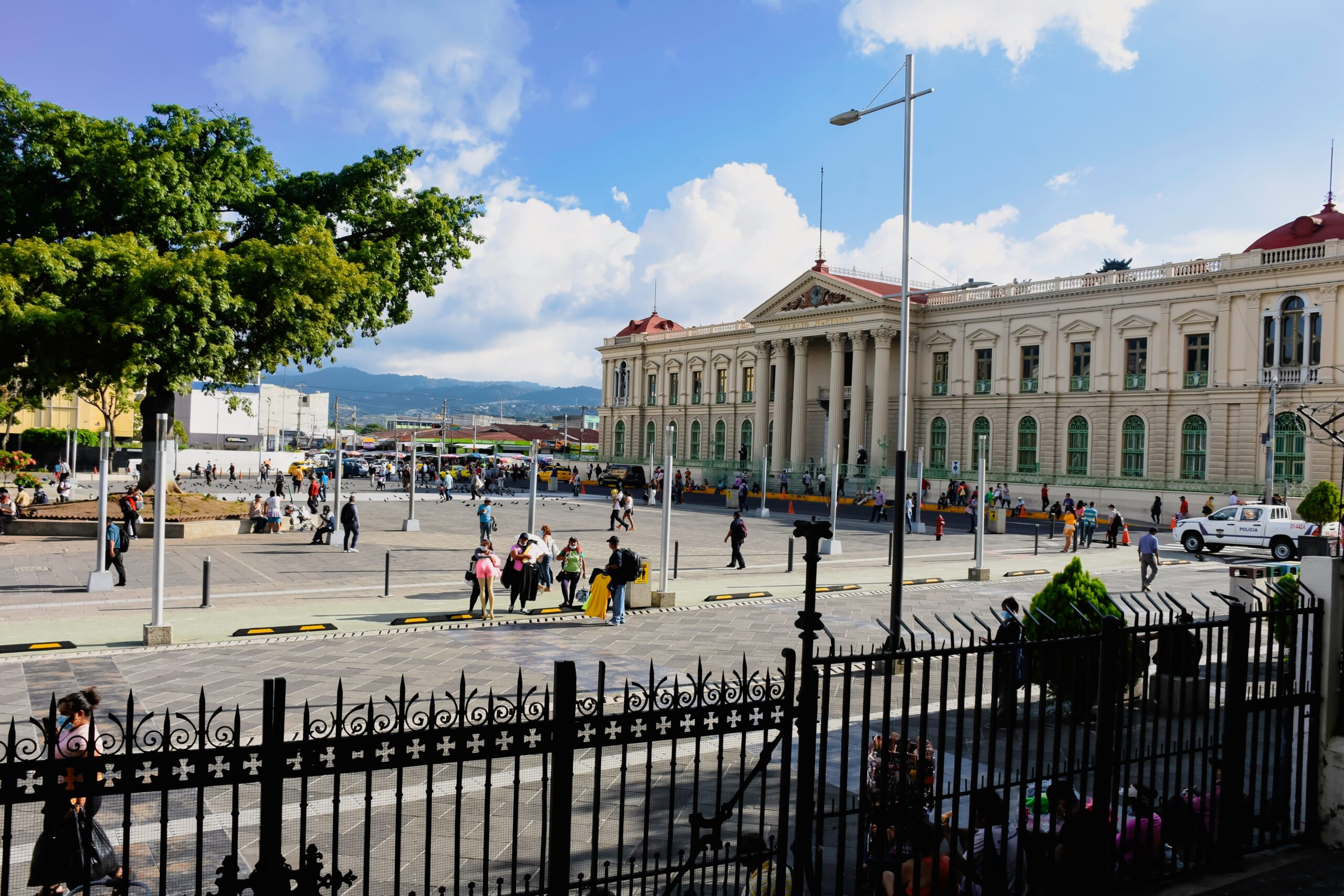
In San Salvador and its surrounding areas, life feels more urban and connected. Neighborhoods like San Benito, Colonia Escalón, and Santa Elena provide modern amenities, shopping malls, restaurants, hospitals, and a vibrant expat presence. The historic center has been revitalized with pedestrian-friendly plazas, the National Palace, and the impressive new National Library. For Americans who want city energy with easy access to everything, this is often the first stop.
Head west to the Ruta de las Flores region, including towns like Juayua, Ataco, and Apaneca, and you enter a cooler, greener world. The mountains offer pleasant temperatures even in the warmest months, coffee plantations, waterfalls, and a strong sense of community. Many Americans appreciate the colonial charm, weekend markets, and proximity to hiking and cultural sites. It is a favorite for those who want a quieter retirement surrounded by nature but still within a couple hours of the capital.
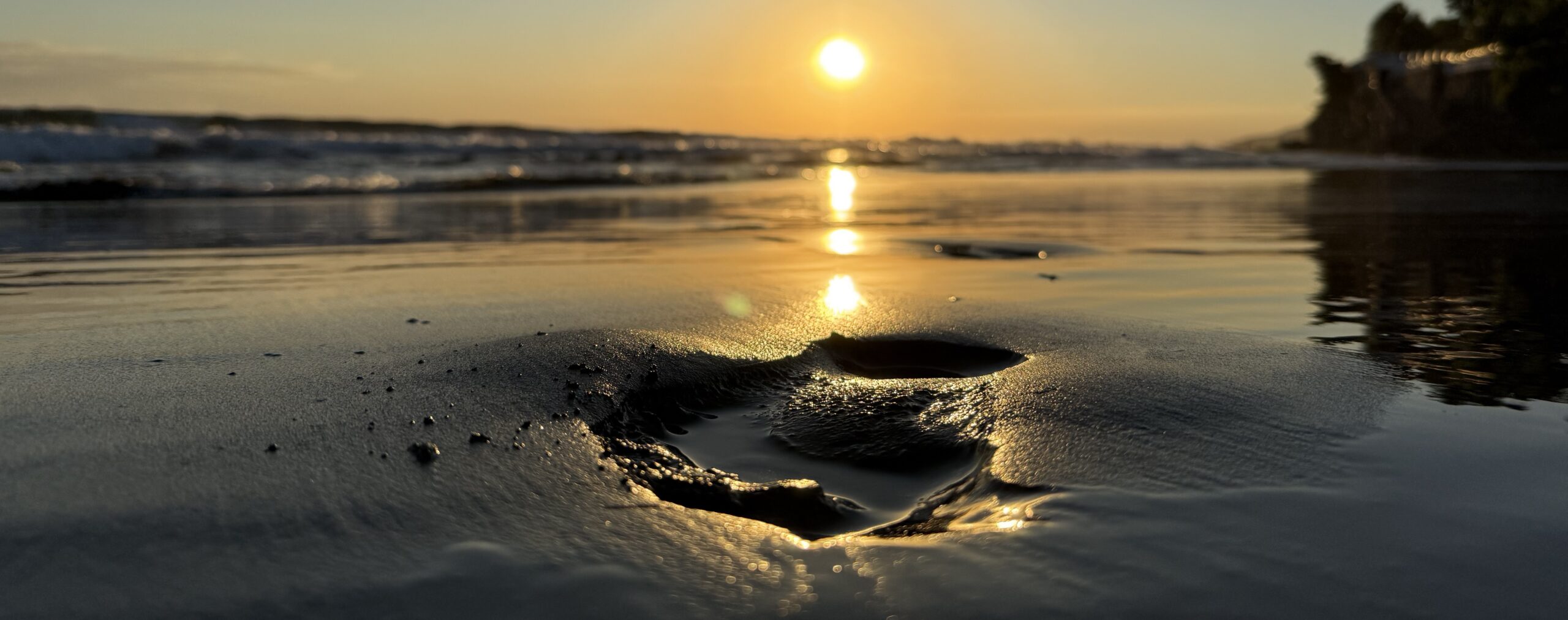
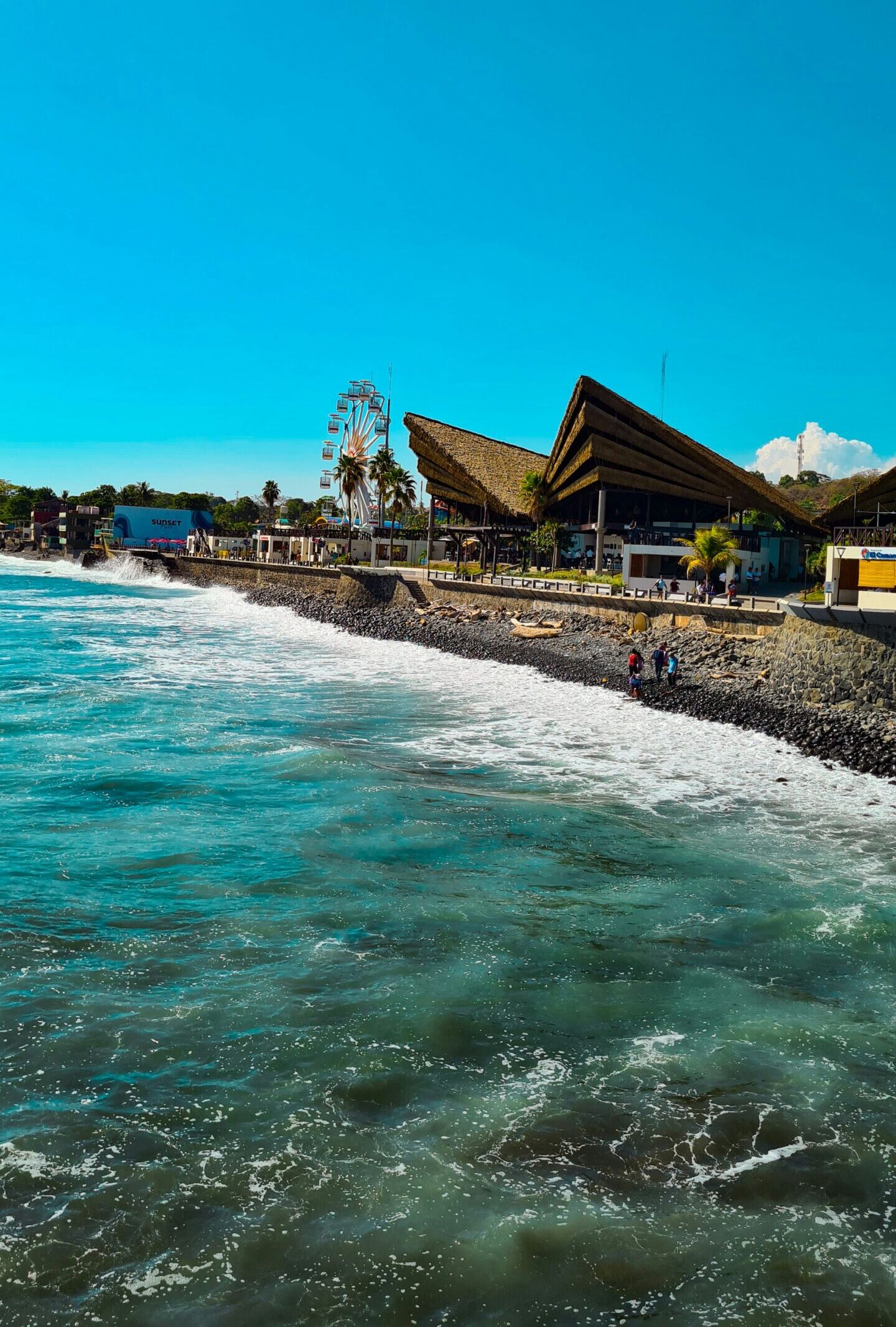
On the Pacific coast, particularly around La Libertad and the Surf City corridor, the beach lifestyle takes center stage. Towns like El Tunco and El Zonte buzz with surfing culture, fresh seafood, and ocean views. Consistent waves attract those who love surfing in El Salvador or simply watching surfers from the shore. The relaxed vibe here suits Americans seeking sun, sand, and a more casual daily rhythm. Warm weather is constant, and the proximity to the capital makes weekend trips easy.
Other popular spots include Santa Ana in the west, with its colonial architecture and volcano views, and quieter lakeside areas like Suchitoto. Each region offers something different, but all share the same welcoming atmosphere and dramatically improved safety that defines El Salvador in 2026.
Weather and Seasons: Warmth Without the Extremes
The warm weather in El Salvador is one of its biggest selling points for Americans escaping northern winters. The country enjoys a tropical climate with temperatures that rarely fluctuate wildly. Coastal areas stay hot year-round, often in the mid-80s to low 90s Fahrenheit, while higher elevations in the mountains and central plateau offer more moderate conditions in the 70s and 80s.
There are two main seasons. The dry season, from November through April, brings sunny skies and is ideal for beach days, hiking volcanoes, and outdoor exploration. The rainy season, from May to October, features afternoon showers that usually pass quickly, leaving everything lush and green. Even during the wetter months, mornings are typically bright and pleasant.
Crucially for those who never want to shovel snow again, El Salvador has no winter as Americans know it. The coldest nights in the highest mountains might dip into the 60s, but frost is virtually unknown in populated areas. This consistent warm weather means you can plan activities, enjoy the outdoors, and maintain an active lifestyle every month of the year.
Culture, Community, and the American Experience
Americans living in El Salvador in 2026 often comment on how quickly they feel at home. Salvadorans are known for their hospitality, and many families have deep ties to the United States through relatives or past migration. This creates natural bridges for newcomers. Community events, local festivals, and everyday interactions help expats build meaningful connections without feeling like outsiders.
Food plays a central role in daily life. Pupusas, fresh seafood, grilled meats, and tropical fruits become favorites quickly. Markets and street vendors make it easy to eat well and affordably. The strong emphasis on family and togetherness mirrors values many Americans hold dear, creating a sense of belonging that goes beyond location.
Safety improvements have transformed public life. In 2026, Americans report feeling comfortable walking in neighborhoods, visiting parks, and exploring towns at all hours. The change from previous years is frequently described as remarkable, allowing a freedom that enhances everyday enjoyment.
Modern Life and the Role of Bitcoin
El Salvador stands out among Central American countries for its forward-thinking approach to technology and finance. Bitcoin in El Salvador continues to influence daily life and the broader economy. Many businesses accept it alongside the U.S. dollar, and the infrastructure built around digital currency makes certain transactions fast and low-cost. For Americans already familiar with crypto, this integration feels natural and convenient.
Beyond Bitcoin, infrastructure developments, tourism growth, and economic stability have brought new amenities. Reliable internet supports remote work for those not fully retired, while improved roads and services make getting around easier than ever.
Why So Many Americans Are Choosing El Salvador in 2026
The why behind retiring in El Salvador or moving to El Salvador comes down to a combination of factors that align perfectly with what many Americans seek today. The lower cost of living stretches retirement savings or allows a more comfortable lifestyle on the same income. The warm weather and beach proximity offer a permanent escape from cold winters and seasonal limitations. The surfing culture and natural beauty appeal to active individuals and those who simply love being near the ocean.
Improved safety has removed one of the biggest historical concerns, while the welcoming culture and community spirit make integration rewarding. Add in the modern conveniences like widespread Bitcoin acceptance and a stable dollar-based economy, and the appeal becomes clear. El Salvador delivers a high quality of life without the high price tag found in many other retirement destinations.
For Americans tired of political divisiveness, high taxes, or the rat race back home, life here feels like a reset button. It is a place where you can focus on what matters: relationships, experiences, health, and enjoying each day in a beautiful setting.
Living in El Salvador as an American in 2026 is not perfect, of course. Like anywhere, there are adjustments to traffic patterns, cultural nuances, and occasional infrastructure quirks. Yet the overwhelming feedback from those who have made the move is one of gratitude and surprise at how well it all works.
In the end, El Salvador offers something increasingly rare: a warm, affordable, safe, and vibrant place to build a meaningful next chapter. Whether you picture yourself in a bustling city neighborhood, a mountain town with volcano views, or a beach house listening to the waves, the country has a spot that feels right. For those ready to trade snow shovels for sunshine and high costs for real freedom, retiring in El Salvador or simply moving to El Salvador might just be the change you have been seeking.