Deciding when to make the move to El Salvador comes down to matching the country’s two distinct seasons with the kind of daily rhythm you want once you arrive. The tropical climate here stays warm year-round, which appeals strongly to anyone seeking a retirement destination in Central America that offers lower costs, consistent beach access, and an escape from cold winters. There is no single perfect month that suits every person, because preferences for sunshine, greenery, crowds, and outdoor activities differ. Instead, the choice often hinges on whether you value predictable clear days from the start or a lush, slower-paced introduction during the greener months.
El Salvador experiences a dry season and a rainy season, with temperatures varying far more by elevation than by time of year. The Pacific coast stays hottest and most humid, while the western highlands around the Ruta de las Flores feel noticeably cooler and more temperate. San Salvador and the central areas sit in between. This geography means someone drawn to surfing and beach life will experience the seasons differently than someone who prefers mountain mornings and coffee-country scenery.
The Dry Season: Clear Skies and Reliable Warmth
The dry season, locally called verano, runs from November through April. Rainfall drops to almost nothing across most of the country during these months. Skies stay clear for days at a time, humidity stays lower, and outdoor plans rarely get interrupted. This period draws the majority of visitors, especially from December through March, when holidays and pleasant weather overlap.
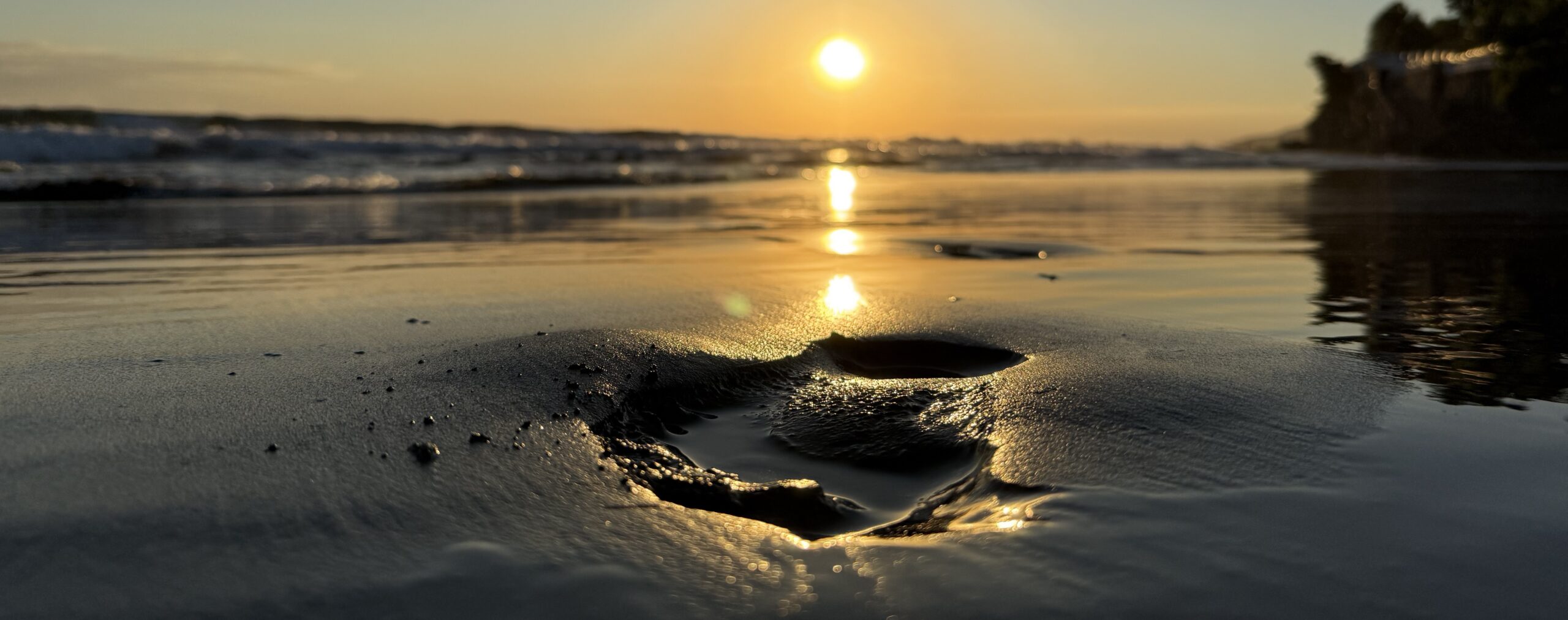
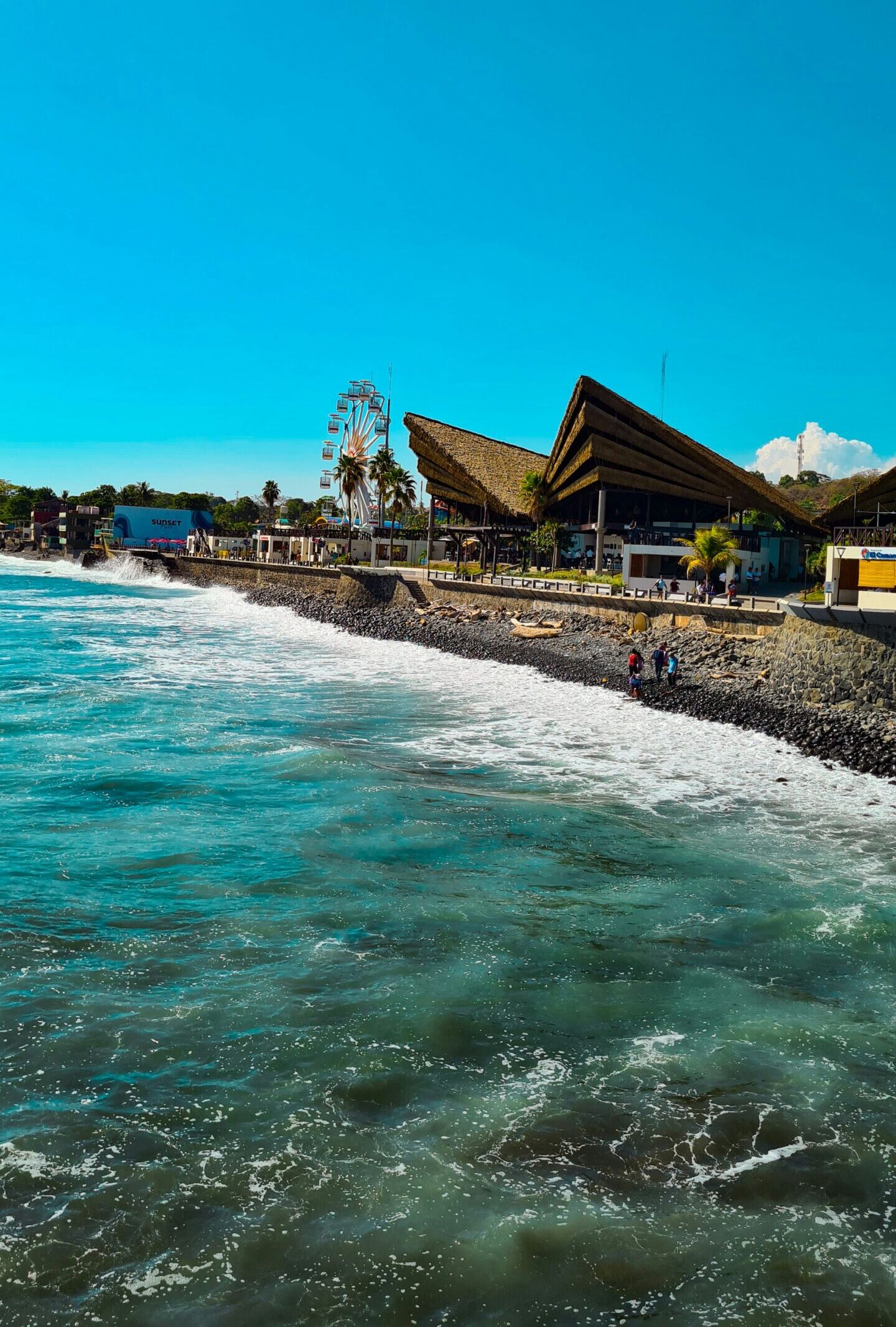
On the Pacific coast near La Libertad, El Tunco, or the developing Surf City corridor, the dry months bring ideal conditions for beach days and wave riding. Water temperatures remain comfortable, and the consistent swells that have made El Salvador a growing surfing destination show up reliably. Mornings often start bright and warm, with highs climbing into the low to mid-30s Celsius (mid-80s to mid-90s Fahrenheit). Evenings cool just enough for comfortable dinners outdoors. Many people who picture retirement involving daily walks on black sand beaches or watching surfers at sunset find this stretch of the year matches that vision closely.
Further inland, the central plateau around San Salvador enjoys pleasant daytime warmth without the heavier coastal humidity. Highs typically reach the low 30s Celsius, while nights drop into the comfortable upper teens to low 20s. The city feels energetic, with clear conditions perfect for exploring markets, parks, and nearby day trips. Retirees who want urban amenities alongside easy access to both coast and mountains often appreciate how straightforward daily movement becomes when rain is not a factor.
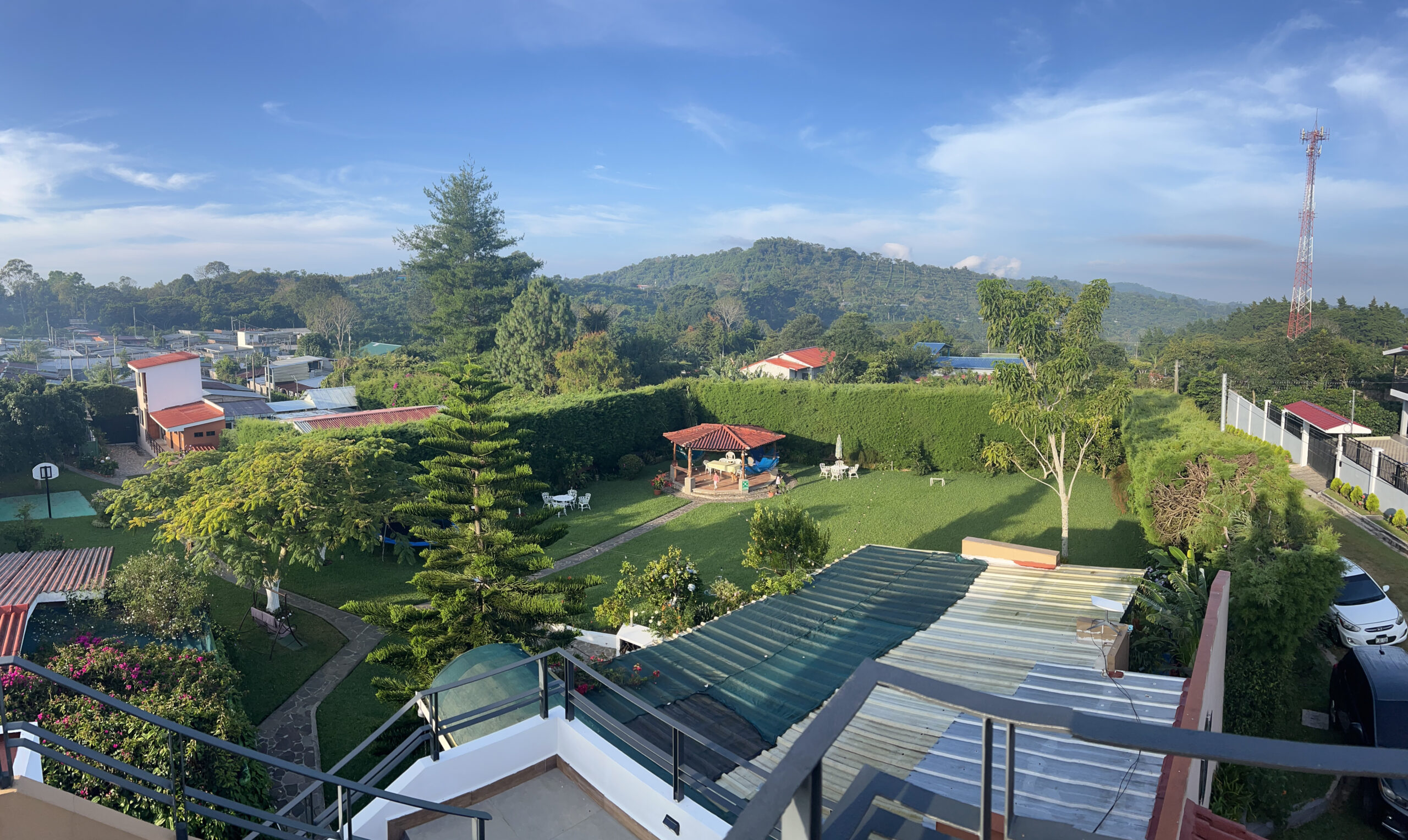
In the western highlands along the Ruta de las Flores, including towns like Apaneca, Ataco, and Juayúa, the dry season brings crisp air and excellent visibility. Elevations around 1,400 meters and higher produce noticeably cooler temperatures than the coast or capital. Daytime highs often stay in the mid-20s Celsius or lower, with nights that can feel fresh enough for a light jacket. The landscape shows off volcanic views and rolling hills under cloudless skies. Coffee plantations and small farms look especially inviting during these months, and the famous flower displays that give the route its name appear in many areas between November and February. For anyone who loves hiking, scenic drives, or a milder climate while still having relatively quick access to the Pacific, this combination of cooler air and reliable weather stands out as a strong draw.
The dry season also aligns with several cultural high points. December and January bring holiday energy, family gatherings, and festive lights in towns across the country. Semana Santa, which falls in March or April depending on the calendar, fills churches and streets with processions and community events. Arriving during these weeks means stepping into a lively social atmosphere right away, though popular beach and mountain spots naturally see more visitors and higher short-term prices.
Many people relocating from colder climates find the dry months ease the transition. The consistent sunshine supports an active outdoor lifestyle immediately, whether that means morning swims, afternoon hikes, or simply enjoying meals on open-air terraces. Bitcoin, adopted as legal tender alongside the US dollar, works smoothly for daily purchases at a wide range of businesses, from beachside spots to highland cafés, adding practical convenience to the warm-weather routine.
The Rainy Season: Lush Landscapes and a Different Pace
The rainy season, known locally as invierno, stretches from May through October. Roughly three-quarters of the year’s total rainfall arrives during these months, yet the pattern differs from the all-day downpours some people expect in tropical regions. Most rain falls in the afternoon or early evening as intense but relatively short thunderstorms. Mornings and early afternoons frequently remain sunny or only partly cloudy, allowing plenty of time for outdoor activities before the skies open.
Coastal areas stay warm and become even greener. The Pacific waters reach their warmest temperatures, which many surfers appreciate. Afternoon showers often clear in time for evening activities, and the reduced number of visitors means beaches and surf breaks feel more local. For retirees who prioritize time in or near the ocean and do not mind adjusting their schedule around a daily rain window, the rainy season offers a vibrant, less crowded version of beach life. The same Bitcoin acceptance that operates year-round continues to make transactions straightforward at restaurants, markets, and service providers.
In San Salvador and the central regions, the pattern remains similar: warm days with afternoon relief from the rain. The city’s parks and neighborhoods turn deeper green, and the overall pace can feel slightly more relaxed between the showers. Temperatures stay stable, with highs still in the low 30s Celsius and nights in the upper teens to low 20s. People who enjoy urban living with occasional escapes to the coast or mountains find the rainy months bring a refreshed look to familiar places without extreme heat or cold.
The highlands along the Ruta de las Flores undergo the most dramatic visual change. The same elevations that feel crisp and clear in the dry months become enveloped in mist and cloud during parts of the day, while the surrounding vegetation explodes into rich greens. Coffee-growing areas look especially lush. Afternoon rains can make mountain roads slicker, yet the towns themselves retain their charm, and the cooler baseline temperatures keep conditions comfortable even when showers pass through. Wildflowers and garden displays vary by exact timing, but the overall scenery rewards those who appreciate dramatic skies and a quieter, more local atmosphere. Many expats note that the rains create a refreshing rhythm rather than constant disruption, with evenings often clearing for outdoor dining or strolls.
The rainy season tends to bring lower visitor numbers outside of major holiday periods, which can translate into more breathing room in popular spots and sometimes more favorable short-term housing availability. For someone moving to El Salvador specifically for its lower cost of living compared with many northern retirement destinations, this period can feel like an authentic introduction to everyday life without peak-season energy. The consistent warmth still eliminates any need to prepare for snow or freezing temperatures, and the landscape rewards those who enjoy photography, gardening, or simply watching the dramatic afternoon skies.
Matching Timing to Your Priorities
People drawn to El Salvador for its Pacific surfing culture and warm beach lifestyle often lean toward the dry season for arrival, when conditions support immediate enjoyment of the coast without weather adjustments. Those who prefer cooler mountain air, scenic highland towns, and a greener setting from the beginning sometimes find the early rainy months appealing, especially if they value a slower pace and dramatic natural beauty.
Retirees focused on year-round outdoor living, lower overall expenses, and a tropical setting where snow never appears appreciate that both seasons deliver comfortable warmth. The difference lies more in daily rhythm and initial impressions than in basic livability. Someone who thrives on clear, predictable days for hiking volcanoes or beach walks may settle in most comfortably during the drier months. A person who enjoys the lush transformation of the landscape and does not mind planning around afternoon showers may prefer starting during the greener period.
Cultural events add another layer. Arriving near the December holidays or during Semana Santa places you in the middle of community celebrations right away. Starting in May or June lets you experience the shift into the rainy pattern alongside local residents, often with fewer international visitors present.
Regional Life Throughout the Year
Life on the Pacific coast revolves around the ocean regardless of season. The same beaches that host surfers and sun-seekers in the dry months remain accessible during the rainy period, with the added benefit of warmer water and fewer crowds. Many coastal restaurants and small businesses operate year-round, accepting both dollars and Bitcoin for meals featuring fresh seafood and local ingredients.
In San Salvador, the capital’s mix of markets, parks, and modern conveniences continues uninterrupted. Clear dry-season days make exploring the city and nearby day trips straightforward. During the rainy months, the afternoon pattern becomes part of the routine, with many people using the morning and early afternoon for errands or outdoor time before heading indoors or under cover when showers arrive.
Along the Ruta de las Flores, the highland towns offer a distinct contrast. The cooler air in places like Apaneca provides relief from lowland heat even in the driest months. When rains come, the surrounding coffee landscapes and volcanic backdrops take on a misty, vibrant quality that many residents and visitors find deeply appealing. The smaller scale of these communities often means a tighter connection to local rhythms, whether during the busy dry-season flower displays or the quieter, greener weeks of the rainy period.
A Climate Built for Year-Round Living
El Salvador’s tropical pattern means residents never face the extended cold or snow that shapes life in many northern retirement locations. Temperatures remain in a comfortable range across both seasons, with elevation providing natural variety for those who want options between beach warmth and mountain freshness. The Pacific coastline delivers consistent surfing opportunities, while inland areas provide scenic drives, hiking, and small-town charm.
For anyone considering a move to Central America in search of lower costs, warm weather, and beach access, the seasonal cycle here offers flexibility rather than limitation. The dry months reward those who want immediate sunshine and outdoor reliability. The rainy months deliver lush landscapes, a more local tempo, and the same underlying warmth that eliminates winter concerns entirely. Bitcoin’s status as legal tender adds a modern, convenient layer to daily transactions that operates smoothly in both periods.
Ultimately, the best time of year to move aligns with what you want your first months to feel like. Clear skies and beach-focused days from the outset point toward the dry season. Lush greenery, dramatic afternoon rains, and a gentler introduction to local life point toward the rainy months. Either choice places you in a country where the climate supports an active, outdoor-oriented retirement without the extremes of northern winters, and where the Pacific surf, highland views, and everyday conveniences remain accessible year-round.