In the highland towns along El Salvador’s Ruta de las Flores, the day often starts with a kind of quiet that feels earned rather than imposed. Coffee on the porch comes first while the air still carries a morning coolness that lingers longer than it does closer to the coast. The temperature sits in a comfortable range that lets you sit outside without the heavy humidity that builds later or the sharp chill some people left behind in northern winters. This steadier, milder start is one reason many retirees choose the highlands over both hotter beach areas and colder places they knew before.
Towns such as Apaneca, Ataco, and Juayúa sit at elevations that keep the air noticeably fresher. Apaneca reaches around 1,500 meters, while Juayúa sits near 1,025 meters. The surrounding hills and coffee farms create a greener, more enclosed setting than the open Pacific coastline. Daily life here moves at a slower rhythm by design. You can still reach the beach for a day when you want the ocean and the chance to watch surfers or walk along the sand, but most days stay centered in the mountains where the pace and the temperatures support a calmer routine.
Mornings Shaped by Cooler Highland Air
Mornings in these towns often begin outdoors because the air invites it. A light layer feels right at first, whether it is a simple sweater or a light jacket that you might slip off once the sun climbs higher. Coffee tastes especially good in that cooler window, and many people take their time with it on a porch or small terrace that looks out toward the hills or a nearby coffee farm. The views are close and green rather than distant and blue like the coast.
After coffee, a walk fits naturally into the morning. Some people head out on one of the local trails that wind through the hills, passing coffee plants and offering viewpoints over the valleys. The paths stay shaded in places and open in others, giving a mix of exercise and scenery without needing a long drive or special planning. Others walk into the center of town or to a local market. In Juayúa the weekend gastronomic fair draws people with its stalls of fresh local food, while on regular days the smaller markets still offer produce picked nearby. You can pick up vegetables, fruit, and other staples while exchanging a few words with vendors or neighbors. Both the trail option and the market option stay close enough that you return home before the middle of the day warms up.
The cooler start also changes what you wear and how you feel. In places that once required heavy coats or boots for snow, the morning here might only need that light extra layer. In places that felt constantly warm and draining, the highland morning offers a fresh contrast that makes the first part of the day feel more active. Retirees often mention that this difference in temperature helps them begin the day with more energy rather than already managing heat or cold.
Midday Warmth and the Value of a Pause
As the sun rises higher, the temperature climbs but usually stays within a comfortable band rather than pushing into the heavier heat found at lower elevations. Daytime highs in the highlands often sit several degrees cooler than on the coast, and the air movement through the hills keeps it from feeling as still or humid. Many people, especially those who have settled into retirement here, treat the warmest part of the afternoon as a natural time to rest. A nap or quiet period indoors or in a shaded spot outside becomes part of the rhythm once you notice that it leaves you with more steady energy for the rest of the day.
This pause is not about laziness. It is a practical response to the climate. In regions with true winters, people often push through short days and cold to get things done. In consistently hot coastal areas, the heat can drain energy across the whole afternoon. The highlands offer a middle path where you can be active in the morning, rest when the day peaks, and then pick up again when the air begins to cool. Afternoon activities after that rest tend to stay light: reading on the porch, tending a small garden, working on a hobby project, or simply sitting outside as the light changes.
The moderate temperatures also mean you can keep more of your day outdoors across the seasons without the extremes that force big adjustments elsewhere. You do not need heavy winter gear or air conditioning running constantly. A fan and open windows often suffice, and the drop in temperature at night makes sleeping more comfortable for many people than the steady warmth nearer the ocean.
Evenings That Cool Down and Stay Low-Key
Evenings bring the air back down to a pleasant range again. The same light layer that felt right in the morning can come back on. Plans tend to stay simple. Some evenings involve meeting friends or neighbors at one of the small local restaurants or cafés in town. The meals are usually straightforward, built around fresh ingredients and local flavors, and the atmosphere stays relaxed because the towns themselves are compact and unhurried. Other evenings stay at home, cooking for family or a few friends. Either way, the evening rarely feels rushed.
Because the towns are smaller, social contact often happens without much advance planning. You might run into someone while walking through the center or stop at the market and end up talking longer than you expected. Plans form naturally rather than requiring calendars weeks out. This overlap of errands and social life is part of what makes the smaller scale feel supportive rather than limiting for many retirees.
How the Seasons Affect Daily Rhythms Without Stopping Them
El Salvador has two main seasons, but the highlands soften both of them. The drier months, roughly November through April, bring clearer skies and more consistent sun. Walking trails or spending time outside stays straightforward, and the views open up as the air stays drier. The wetter months, May through October, bring more frequent rain or mist rolling down from the higher hills. Showers can arrive and pass, but the cooler base temperature keeps the rain from feeling as heavy or stifling as it can on the coast. You learn to carry a light jacket or to shift outdoor time slightly earlier or later in the day, yet daily life continues without the dramatic interruptions that true winters or extreme heat can create.
This gentler seasonal shift supports a steadier outdoor routine year-round. You never have to prepare for snow or freezing temperatures, and you never face months where going outside feels draining from either cold or oppressive heat. The moderate climate lets you keep the same basic shape to your days across the calendar: morning activity, midday pause, evening wind-down. Retirees who wanted to escape both northern winters and the constant heat of some southern retirement spots often find that the highlands deliver a version of warm-weather living that still includes real seasonal variety without the extremes.
Weekly Errands and the Balance Between Quiet and Access
Even in a slower setting, practical needs still arise. Groceries, medical appointments, or larger household items sometimes require heading into a bigger nearby city. Santa Ana or San Salvador serve this role for many people living in the highland towns. These trips are usually planned for once a week or so rather than daily. You can take care of several things in one outing, visit a larger supermarket for a wider selection, and return the same day. The drive stays manageable because the distances are not enormous, and many people keep the frequency low enough that the quieter rhythm at home remains the dominant pattern.
This balance matters for retirement. You gain the peace of smaller-town life and the green surroundings most days, yet you do not lose access to what you need when you need it. The lower cost of living shows up in these everyday patterns as well. Local produce from markets or nearby farms tends to cost less than imported or processed alternatives, and the simpler routines around the house reduce some of the expenses that come with more urban or high-maintenance settings. Bitcoin is accepted as legal tender alongside the US dollar that serves as the official currency, so daily transactions stay straightforward whether you prefer cash, cards, or digital options.
Nature and Local Culture Woven Into Ordinary Days
One of the quieter pleasures of highland life is how easily nature stays part of the week. Trails and viewpoints sit close enough that a walk can become a regular habit rather than a special outing. The famous seven waterfalls hike near Juayúa draws both locals and visitors, but many shorter paths exist for daily or near-daily use. Coffee farms cover many of the hillsides, so the crop and the landscape stay visible even on an ordinary walk. Some people visit a local finca occasionally for a tour or simply to buy beans, but even without that, the presence of the farms shapes the view and the local economy.
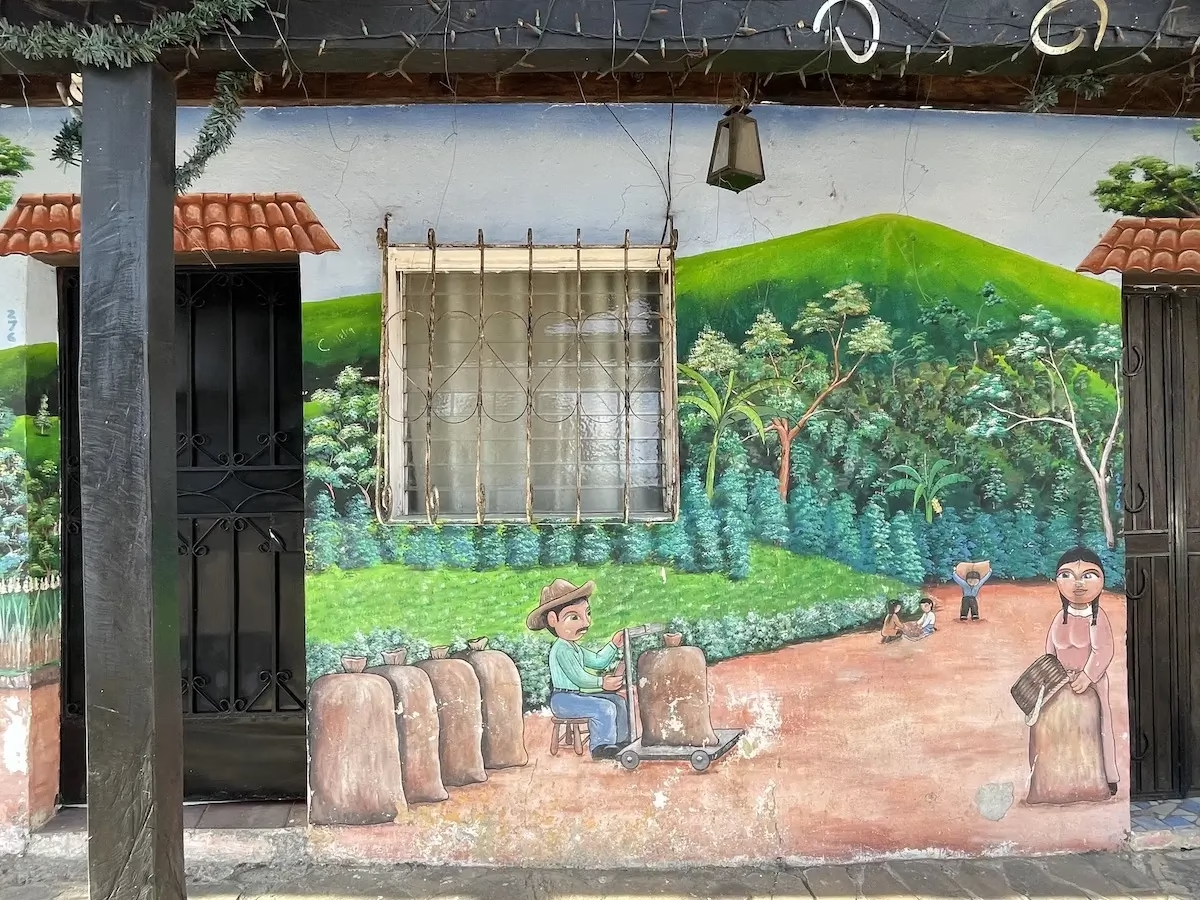
Markets reflect what is growing nearby and what is in season. You notice the changes in available fruits and vegetables across the year, and the prices often stay reasonable because the supply comes from close by. In Juayúa the weekend food fair adds another layer, turning a market visit into a social event with a variety of local dishes to try. Ataco has its own character with colorful murals and small shops that reward wandering. Apaneca offers its own mix of trails, a scenic pond area, and the flower route that gives the whole region part of its name. None of these require long travel, so they fit into the ordinary rhythm rather than demanding a full day or weekend commitment every time.
Why the Highlands Support the Retirement Many People Seek
People choose these towns for a combination of reasons that line up with what daily life actually delivers. The cooler mornings and evenings, the greener enclosed setting, and the slower overall pace provide the calm that many retirees want after faster or more demanding chapters. At the same time, the moderate climate and the proximity of trails, markets, and small-town social life keep the days from feeling empty or isolated. You can stay close to home for stretches of time when that feels right, and you can head out for a beach day, a hike, or a city errand when you want a change.
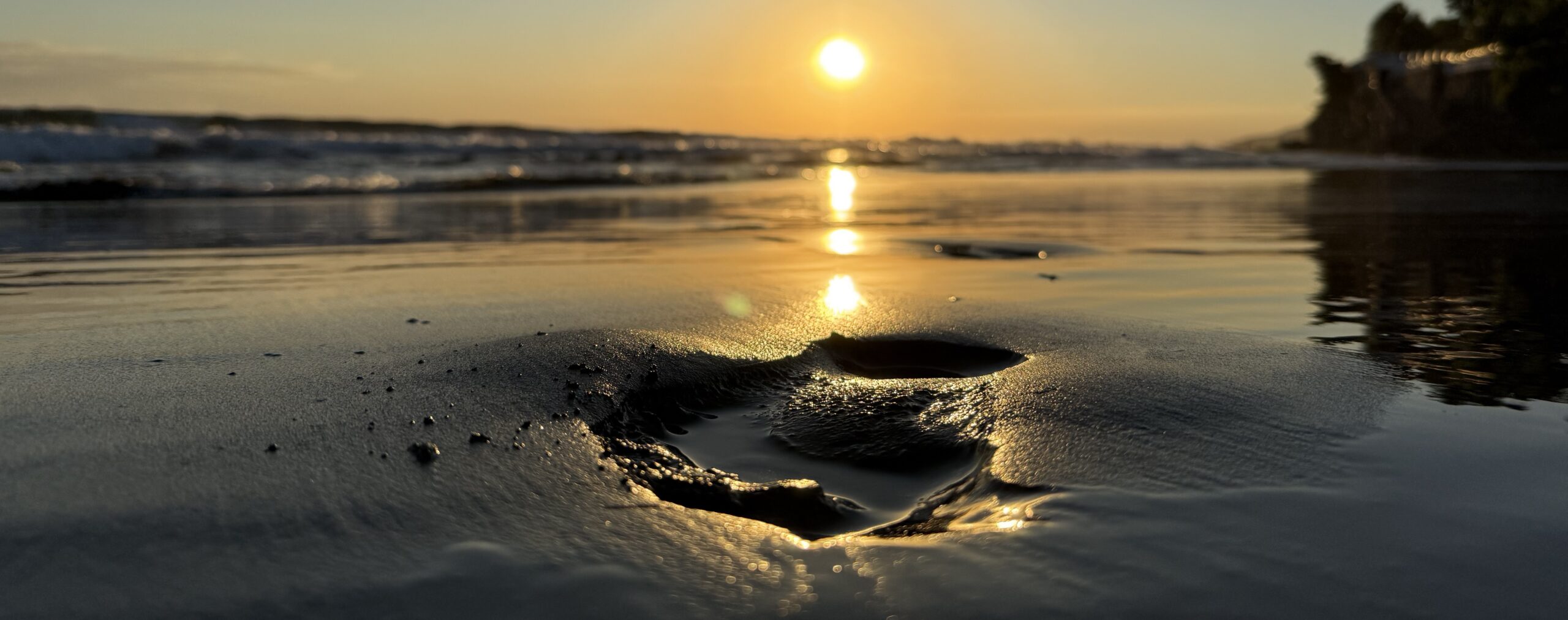
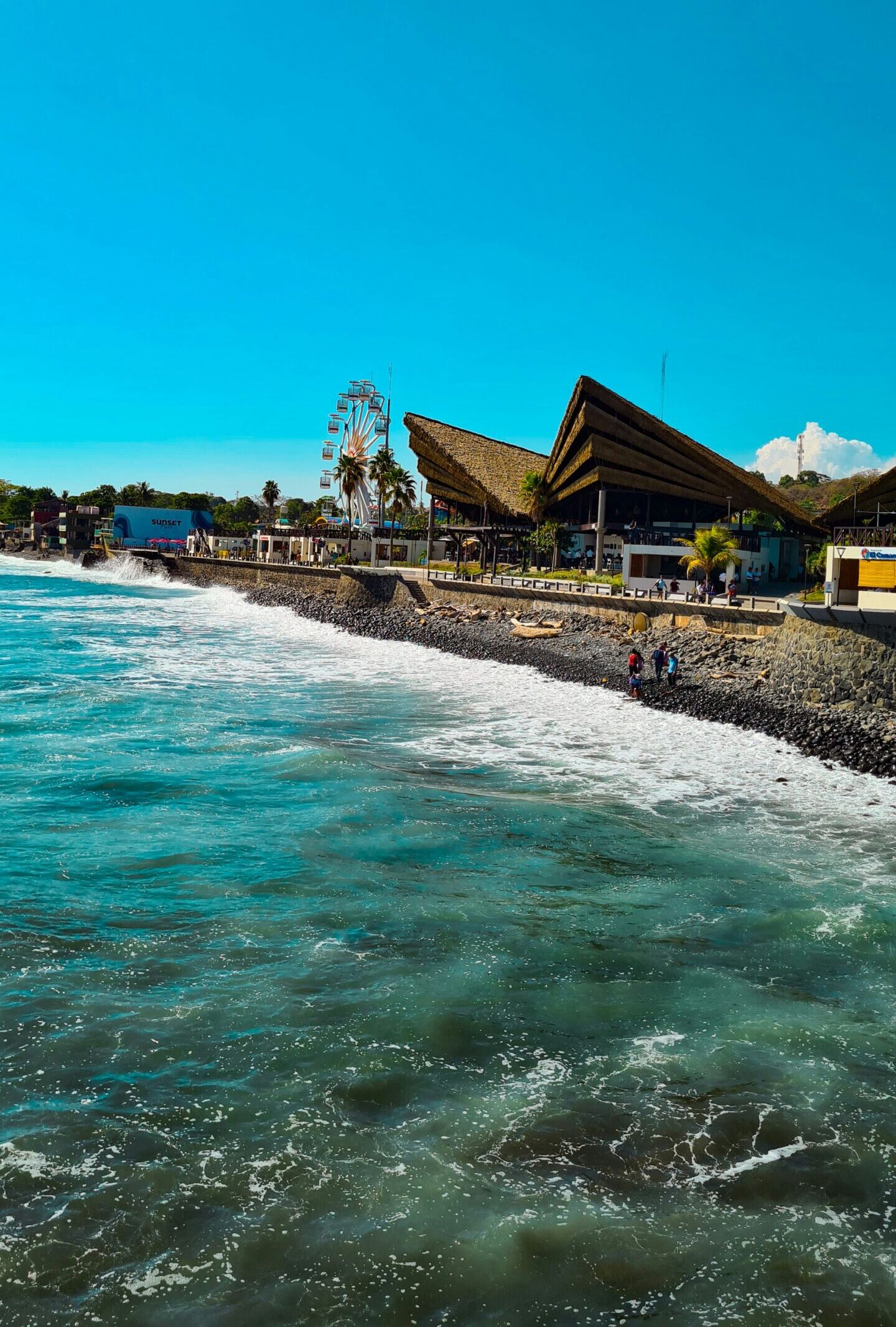
The absence of snow and the consistent warmth without extremes matter for practical reasons as well. There is no seasonal preparation for cold weather, no heating costs that spike in winter, and no need to limit outdoor time because of either freezing temperatures or draining heat. The lower cost of living appears in small, repeated ways: fresh local food, simpler home routines, and fewer expenses tied to extreme weather. For anyone who wanted warm weather and beach access without living directly in the heat and bustle of the coast every day, the highlands offer a workable middle ground. A couple of hours’ drive reaches Surf City towns and the Pacific waves when the desire for sand and surf arises.
Daily life here ends up built around a few steady elements. Coffee on the porch while the air is still cool. A walk on a trail or through the local market. A pause in the warmest part of the afternoon. An evening that cools down again and stays low-key, whether spent at a small local spot or cooking at home. Some days stay deliberately close to the house. Other days include the drive to a larger city for errands. The highlands let you set the speed most of the time while still giving you straightforward access to what lies beyond when you choose to use it.
For retirees who came looking for milder temperatures, green surroundings, and a quieter daily pace in a Central American setting, this combination of calm routines and occasional practical trips matches the life they had in mind. The climate supports spending time outside across the year without the extremes that force bigger adjustments elsewhere. The smaller towns encourage a natural social rhythm without constant planning. The nearby nature and markets keep ordinary days connected to the landscape and the seasons. And when the mood calls for the ocean or a bigger-city outing, both remain within reach. In the end, the highlands deliver a version of retirement in El Salvador where the days feel steady, the air feels comfortable, and the choice to keep things simple stays available every morning when you step outside with that first cup of coffee.