Not long ago, any discussion about El Salvador quickly turned to questions of safety. Those questions no longer define the country that exists today. By 2026 El Salvador has completed one of the most rapid and thorough security transformations in the modern era. Violent crime that once shaped daily decisions for residents and limited outside interest has fallen to levels that place the nation among the safer countries in the Western Hemisphere. For couples exploring retirement in a warm Central American country with beaches, surf culture, mountain scenery, and a lower cost of living, this shift changes what feels possible.
The Dramatic Improvement in Daily Security
National statistics show the scale of change. The homicide rate exceeded 100 per 100,000 residents in the mid-2010s. It stood at roughly 53 per 100,000 by 2018. After 2022 the numbers fell sharply. Official figures record 7.8 per 100,000 in 2022, 2.4 in 2023, 1.9 in 2024, and approximately 1.3 in 2025, with only 82 cases for the entire year. These rates now sit below many large cities in the United States and compare favorably with Canada. The decline reflects the dismantling of gang structures that once controlled neighborhoods and imposed extortion across wide areas of the country.
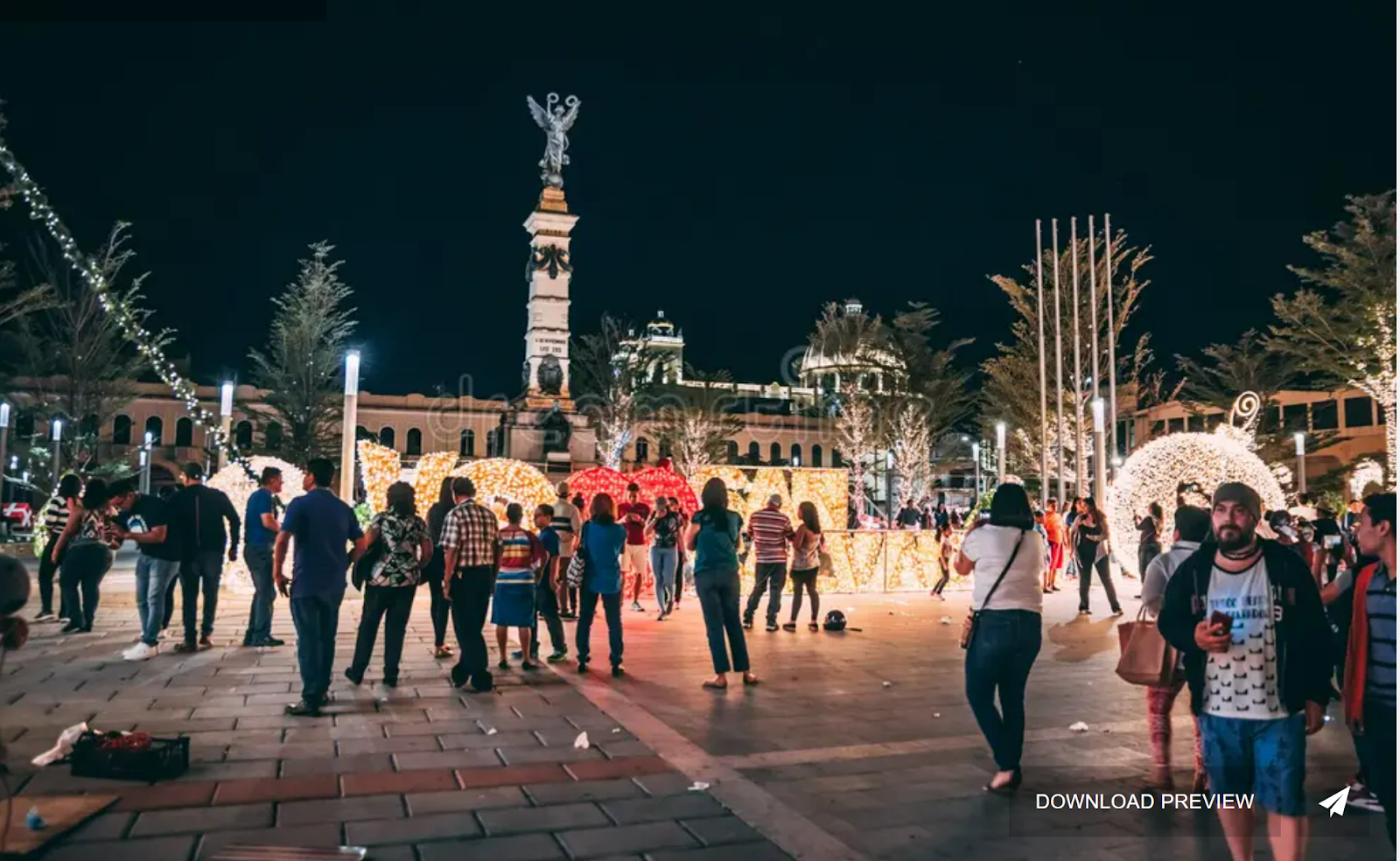
What matters most for people considering long-term living is how this national improvement shows up in the specific places retirees and couples choose. In the coastal communities of the Surf City corridor and in the mountain towns along the Ruta de las Flores, the atmosphere has changed in noticeable ways. Evening walks, market visits, and casual meals no longer carry the tension that once accompanied ordinary movement. Local businesses operate with greater predictability. Tourism has grown in a more relaxed environment. Couples arriving from colder climates often describe the simple relief of planning days around weather and personal interests rather than around security calculations.
Life Along the Pacific Coast in Surf City Communities
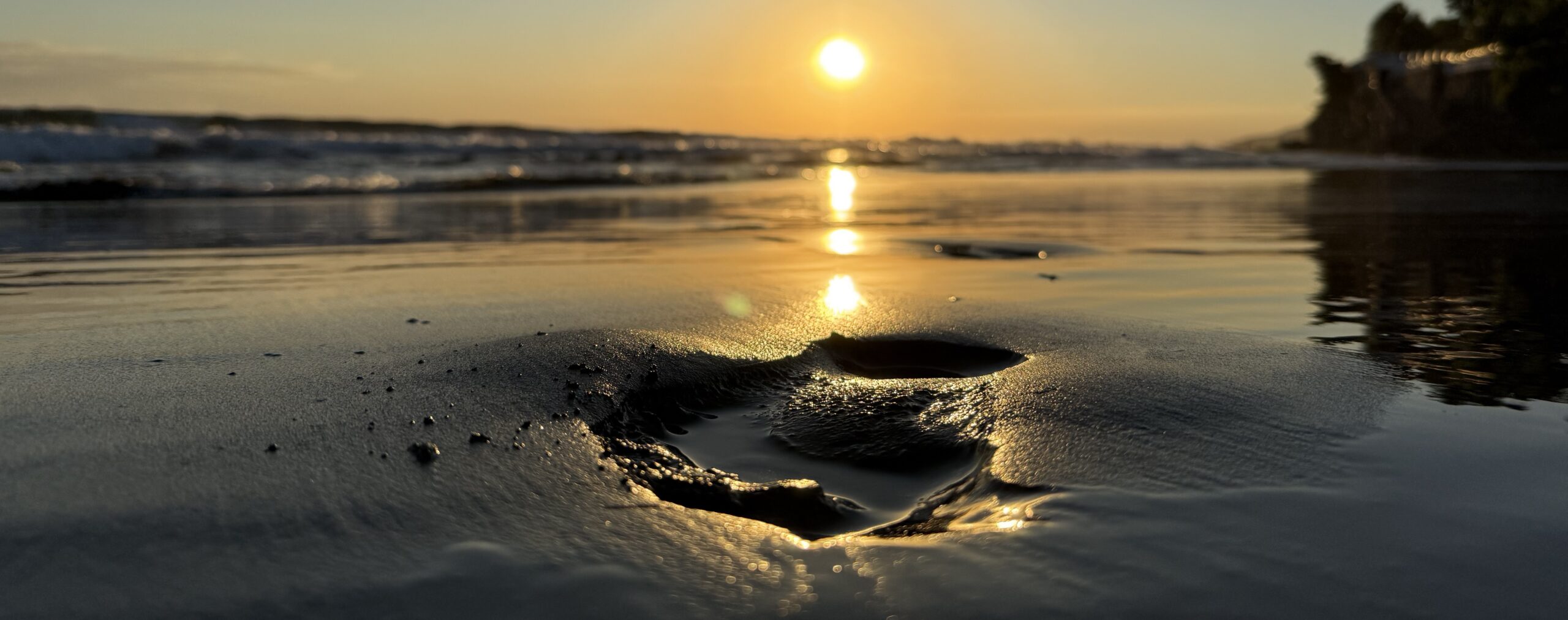
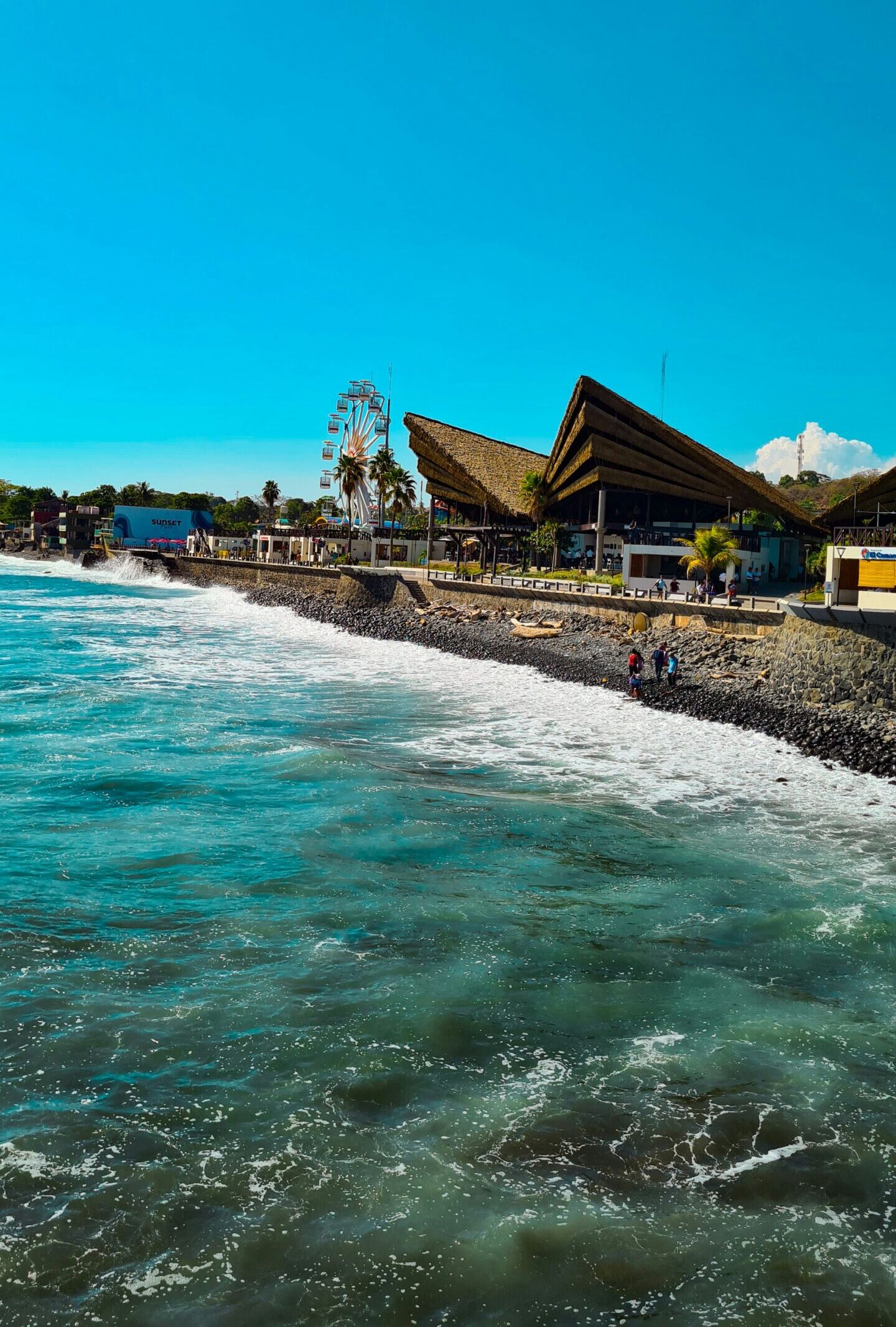
The Pacific coast offers one of the clearest windows into the new reality. Towns such as El Tunco and El Zonte have become popular with surfers and with couples seeking a warm-weather retirement that includes easy access to the ocean. Daytime temperatures along this stretch typically range from the low 80s to low 90s Fahrenheit year-round, softened by consistent sea breezes. The dry season from November through April brings reliable sunshine and steady waves. The green season from May through October delivers afternoon showers that keep the landscape lush and often produce excellent surf conditions. Many couples appreciate how the two seasons create natural variety without the extremes of northern winters.
In these beach communities the daily rhythm feels unhurried. Mornings often begin with the sound of waves and the sight of surfers already paddling out. Couples who do not surf settle into shaded cafes or spots overlooking the break with coffee and fresh tropical fruit. The scene mixes local riders with visitors from around the world in a casual, welcoming atmosphere. Bitcoin acceptance has become routine in many of these spots. Cafes, small restaurants, and vendors handle payments in Bitcoin alongside the US dollar, which remains the primary currency. For couples managing retirement funds from abroad, this integration simplifies small daily transactions and reduces friction around currency conversion.
The improved security environment supports the kind of spontaneous, low-stress living that draws people to the coast. Strolls along the sand at dusk or visits to nearby food stands now unfold without the background calculations that once limited options. The main considerations for visitors and residents tend to be the ordinary ones found in any popular beach area: rip currents in the water and the need to keep personal items secure in crowded tourist spots. Violent crime that once shaped the broader reputation of the region has receded to the point where it no longer defines daily experience in these communities. Surfers of all levels share the waves, and non-surfers enjoy the same shoreline for walks or simply watching sets roll in. Conversations happen easily over shared meals of pupusas, grilled seafood, or fresh fruit. The social tone stays relaxed and inclusive.
Many couples note how the combination of consistent warmth and reduced underlying tension frees mental energy. Days can revolve around morning coffee with an ocean view, time spent watching or joining the surf, and evenings that stretch naturally into casual dinners without concern about timing or location. The proximity of different beach spots within the Surf City area adds variety. Some days feel lively near the main breaks. Other days feel quieter a short distance away. Bitcoin use at local vendors makes these small shifts in routine simple and inexpensive. The overall effect is a coastal lifestyle that supports both activity and rest in equal measure.
Up in the Highlands Along the Ruta de las Flores
The mountain towns of the Ruta de las Flores provide a contrasting but equally appealing setting. Juayúa, Ataco, and Apaneca sit at elevations between roughly 3,000 and 5,000 feet. Daytime highs often range from the mid-70s to low 80s Fahrenheit, with evenings cool enough for a light layer. The higher ground brings occasional mist and cloud cover, especially during the green season when rains turn coffee plantations and surrounding hills a deep green. Waterfalls gain volume and drama. The air carries the scent of blooming coffee. These conditions create a mild climate that many retirees from hotter or colder regions find comfortable year-round.
Daily life in these towns centers on slower rhythms. Morning markets offer fresh produce, local cheeses, baked goods, and coffee at prices that allow retirement budgets to stretch comfortably. Couples often spend time exploring nearby trails or simply sitting in plazas watching the pace of local life. Ataco’s artisan shops and Juayúa’s weekly events add texture without overwhelming the quiet atmosphere many people seek. Bitcoin acceptance appears at cafes and small vendors, fitting naturally into the local economy alongside dollars. The safety environment supports unhurried exploration. People move through town centers, visit markets, and take short trips to nearby natural sites with the casual confidence found in stable small communities elsewhere.
The seasonal shift feels distinct from the coast. The dry season brings clearer skies and comfortable hiking conditions. The green season delivers lush growth and the cozy mix of indoor and outdoor time that comes with afternoon showers. Many couples appreciate how the elevation keeps daytime heat manageable even when the coast feels warmer. Evenings often invite sitting outside with a view of the hills or enjoying a simple meal prepared with local ingredients. The reduction in past security concerns means these simple pleasures no longer require extensive planning or restricted movement. The result is a highland lifestyle that pairs natural beauty with the practical ease of a lower cost of living and consistent personal security.
Why the Current Environment Supports Retirement in Central America
For couples comparing retirement options across Central America, the combination of improved security, warm climate, and lower costs now stands out more clearly than before. Housing in these specific regions remains notably more affordable than in many traditional retirement destinations, whether measured by monthly costs for a comfortable home or by the expense of maintaining a property. Food from local markets and small restaurants costs a fraction of comparable meals elsewhere. Fresh seafood along the coast and abundant produce in the highlands support a varied diet without straining budgets. Utilities and basic services follow the same favorable pattern. Retirement savings therefore support a higher quality of daily life, with room for activities, occasional regional travel, and the spontaneity that comes when money stretches further.
The absence of winter weather adds another dimension many couples from northern climates describe as genuinely transformative. No coats to manage, no snow to clear, no shortened days spent mostly indoors. Consistent warmth along the coast or mild days in the mountains allow outdoor routines throughout the year. A morning walk, an afternoon spent watching surfers, or time near a waterfall becomes part of ordinary life rather than a seasonal treat. This freedom from cold-weather constraints pairs with the security improvements to reduce the mental load that often accompanies relocation decisions. Energy that once went toward managing risk or planning around seasons now goes toward building new habits and relationships in a warm environment.
Private healthcare access in or near these areas further supports longer stays. Clinics and hospitals in the more developed corridors provide modern equipment and responsive care for routine needs. Costs for consultations, basic diagnostics, and short stays run substantially lower than typical figures in the United States. Many couples combine local private care with international insurance for major events, creating a practical arrangement that aligns with overall lower living expenses. The quality of private facilities has improved alongside the broader stability that followed greater security.
Bitcoin’s status as legal tender continues to offer practical advantages for international residents. In both coastal and mountain communities, acceptance has moved beyond novelty into routine use at many cafes, markets, and service providers. For couples who receive income or hold assets across currencies, the option to transact directly in Bitcoin alongside dollars simplifies daily management and reduces costs associated with currency exchange. The system feels integrated into ordinary life rather than experimental.
A Lifestyle Defined by Warmth, Nature, and Reduced Friction
What stands out in 2026 is how the security gains have allowed the other attractions of these regions to come forward without the shadow that once accompanied them. The surf along the Pacific coast continues to draw riders of all levels, creating a vibrant yet relaxed scene that non-surfers enjoy by watching or walking the shoreline. The coffee culture and natural beauty of the Ruta de las Flores continue to reward slower exploration. The cost advantages that have long existed in El Salvador now operate in an environment where couples can focus on enjoying them rather than navigating around safety concerns.
The result is a set of communities where retirement can center on warmth, access to both beach and mountain environments, good local food, and the simple pleasure of unhurried days. Couples often describe the relief of being able to make plans without the background calculations that once limited options in many parts of the country. Whether the day involves time near the waves in El Tunco or a quiet morning in Ataco with coffee and mountain views, the underlying stability allows attention to stay on the present moment rather than on potential risks.
The transformation did not erase every challenge found in any developing nation. Opportunistic theft still occurs in tourist-heavy spots, just as it does on busy beaches or in crowded markets around the world. The difference is that violent crime no longer dominates the daily experience in the places most attractive to retirees and couples. National statistics and the lived atmosphere in Surf City communities and Ruta de las Flores towns point in the same direction: a country that has moved past its earlier reputation and now offers a stable setting for the kind of life many people picture when they consider retirement in a warm Central American country with beaches, surf, mountains, and Bitcoin as part of everyday life.
For couples ready to leave snow and higher costs behind, the current reality invites a closer look at what daily life actually feels like along the coast and in the highlands. The waves continue to roll in. Markets open each morning with fresh produce and local goods. Coffee blooms in season. The background of ordinary safety allows those simple rhythms to take center stage. The combination of consistent warmth, varied natural settings within easy reach, lower living expenses, and a security environment that supports relaxed movement creates conditions many retirees now find genuinely appealing. El Salvador in 2026 presents a changed picture, one in which the question of safety no longer overshadows the attractions of year-round outdoor living, good food, and the freedom to enjoy both without the weight of past constraints.